
CONCEPCION, ILOILO DAY TRIP GUIDE: PRISTINE SANDBARS & LOCAL ISLAND LIFE
There's a particular kind of quiet you only find on islands most people haven't heard of yet. My family and I were watching the sun come up as we drove through the mountains on the way to the seaside. We'd already done the Isla Gigantes loop, so I went into Concepcion expecting a smaller, quieter version of the same thing. What I didn't expect was how different "quiet" would actually feel here. Fewer boats, fewer people, islands that still felt like they belonged to the families living on them rather than to tourism.
One of the tour guides held out his hand as I climbed onto the boat, greeting me with a friendly smile. I sat down next to my cousin, it was her first time visiting this place too. She had told me it’s famous for white sandbars and shallow turquoise waters. I couldn’t wait to see it for myself and capture it all with my camera.
This is everything you need to know before island hopping through Concepcion yourself — the islands, the logistics, and what to actually expect on the water.
Where is Concepcion?
Concepcion is a quiet coastal town on the northeastern tip of Panay Island, in Northern Iloilo. Not far from the more famous Isla Gigantes in Carles. What sets it apart is scale and pace: this cluster is made up of 17 small islands spread across 11 barangays. Most of them see a fraction of the visitors that Gigantes does. The result is a version of the same turquoise-water, white-sand island hopping experience. But quieter, more unpolished, and largely still shaped by local fishing life rather than tourism infrastructure.
How to Get to Concepcion
By Car
My family and I drove 2-2.5hrs. to Concepcion, the fastest route via National Highway. We left before sunrise and arrived at the fish port around 7:30-8:00am, and caught the boat from there out to the islands.
By Public Transport (Bus/Jeepney)
If you don't have a car, buses to Concepcion depart from Tagbak Terminal (also called the Northern Iloilo Terminal) in Jaro, Iloilo City. The terminal serves routes to Passi City, Concepcion, Carles, and other northern Iloilo towns. HPQ buses are commonly recommended for this route, costing 110PHP one-way for a 2.5-3hr commute.
Timing matters here since trips aren't frequent. The first bus typically leaves Tagbak Terminal around 7:00am, with the last trip back from Concepcion to the city around 3:00-4:00pm. So plan your day trip around that window rather than assuming buses run all day.
Coming from the airport rather than the city center, you can ride the airport shuttle to SM City. Then cross to the other side of Diversion Road and catch a jeepney (or taxi) to Tagbak Terminal to connect with the Concepcion-bound bus.
Once in Concepcion, boats to the islands depart from the fish port. My cousin Fe Sanchez (who is a tour guide serving Iloilo City and the surrounding areas) coordinated the booking of the private charter boat we used for our day tour.
Best Time to Visit Concepcion
As with other island hopping destinations around Panay, Concepcion has the best weather during dry season (March-May). We were there on a Tuesday morning at the end of April, when the morning into early afternoon stayed sunny and hot, with only a few clouds here and there. Luckily the rain predicted for that day held off until the late afternoon, once we were already headed home.
Island Hopping in Concepcion: What to Expect
My family and I booked a private charter boat for our day trip. Tour inclusions covered roundtrip boat rides for island hopping, environmental fees, entrance fees and local guides. We were able to move between islands at our own pace, roughly an hour per stop, staying longer at a few beaches whenever we wanted to.
Bulubadiangan
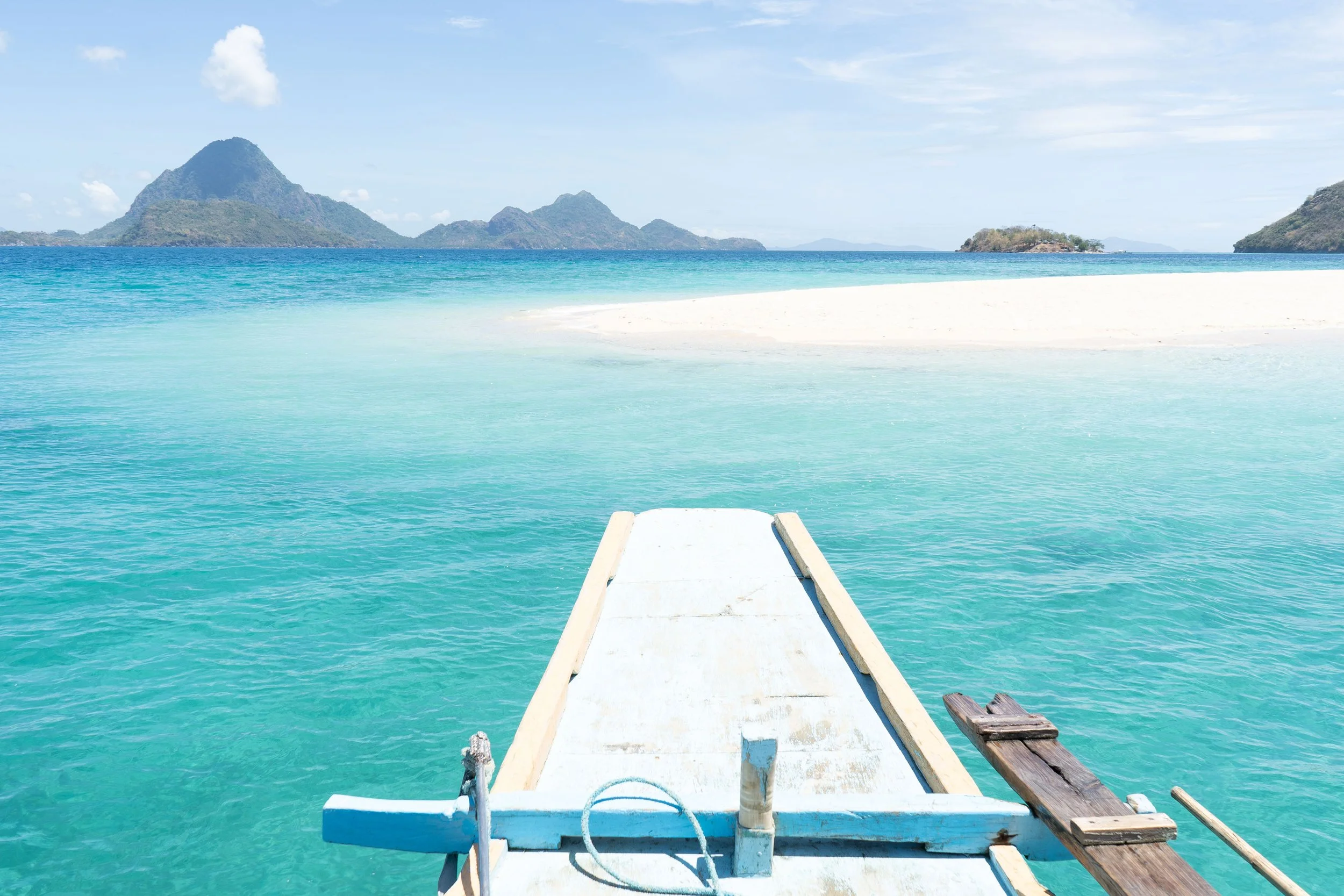
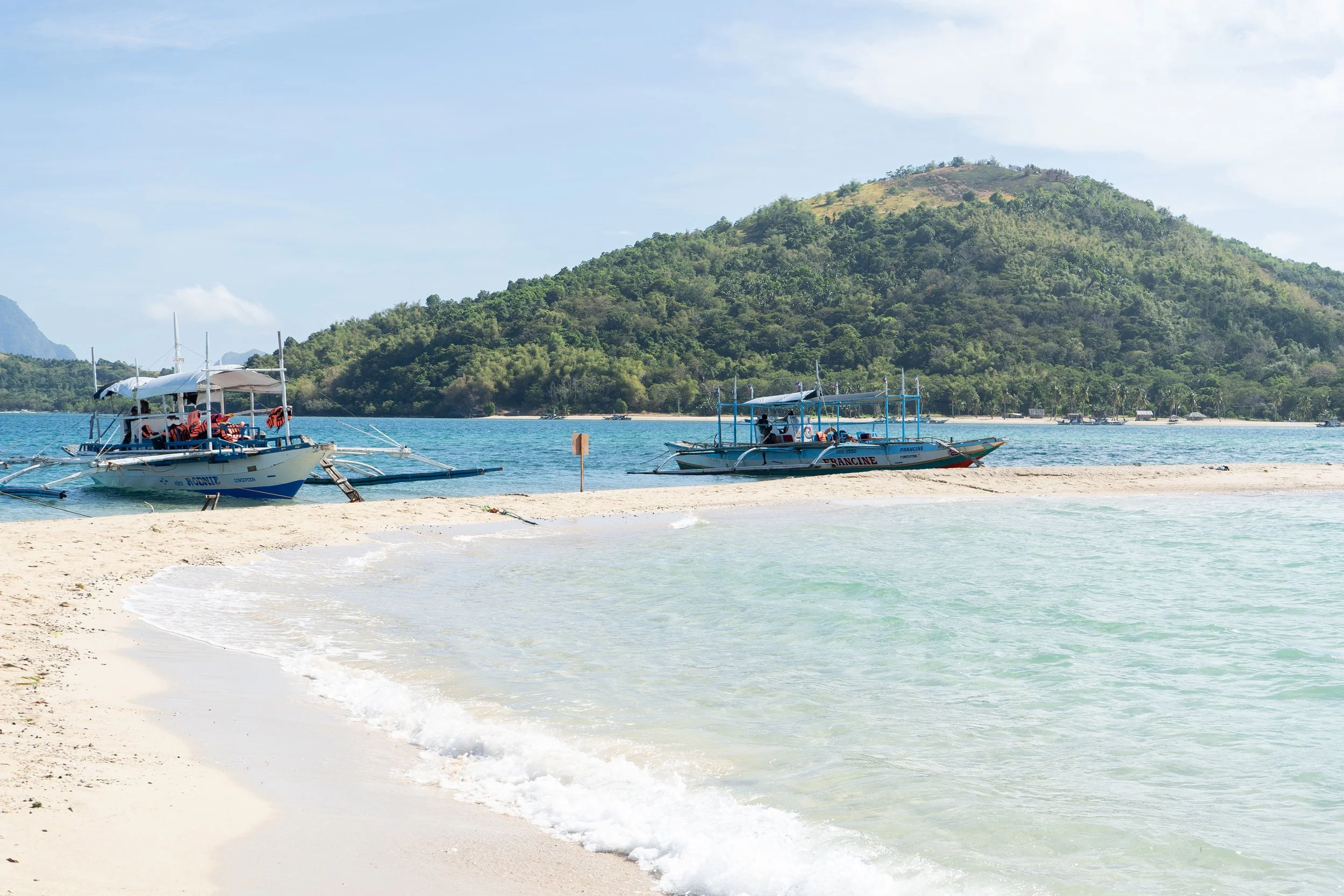
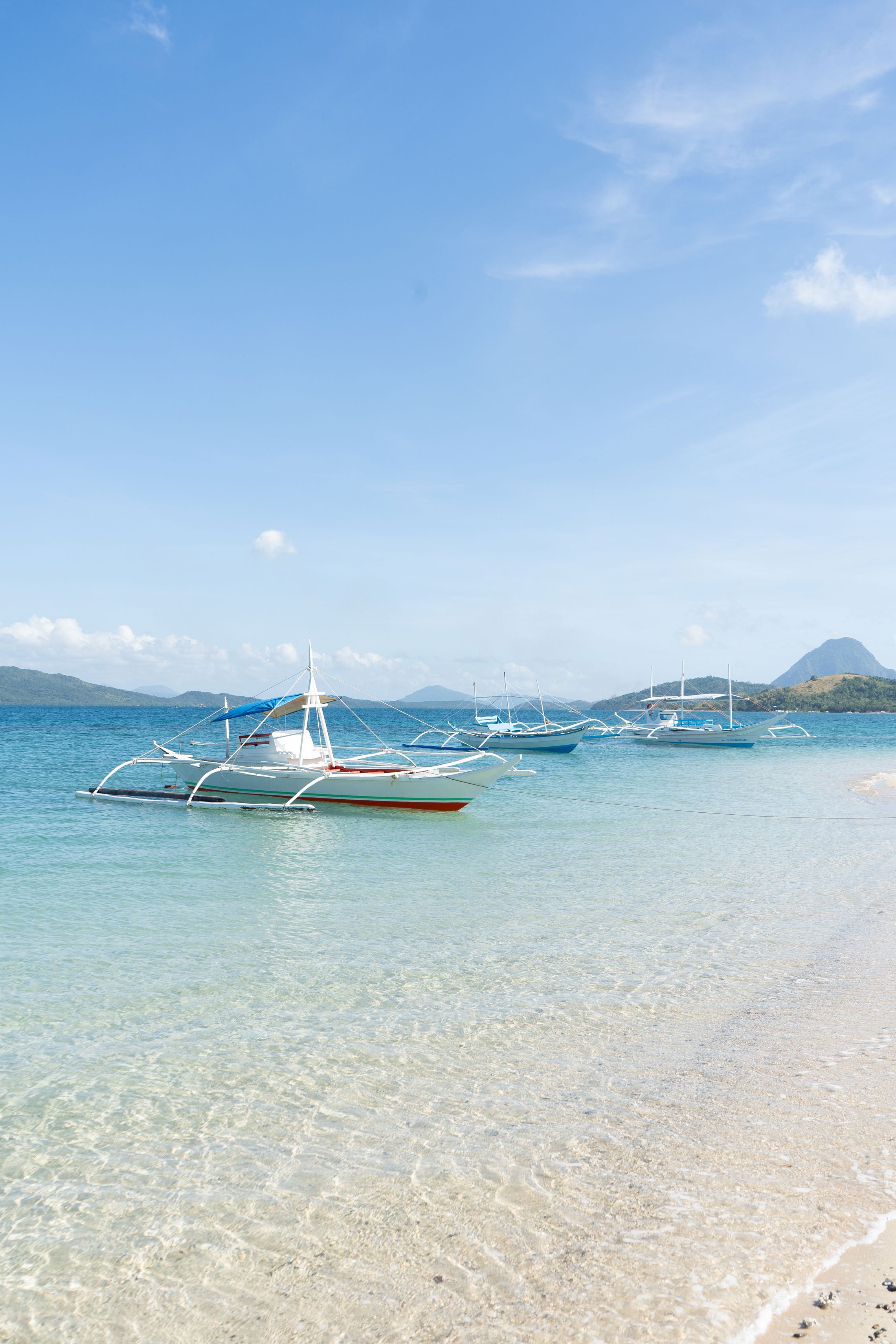
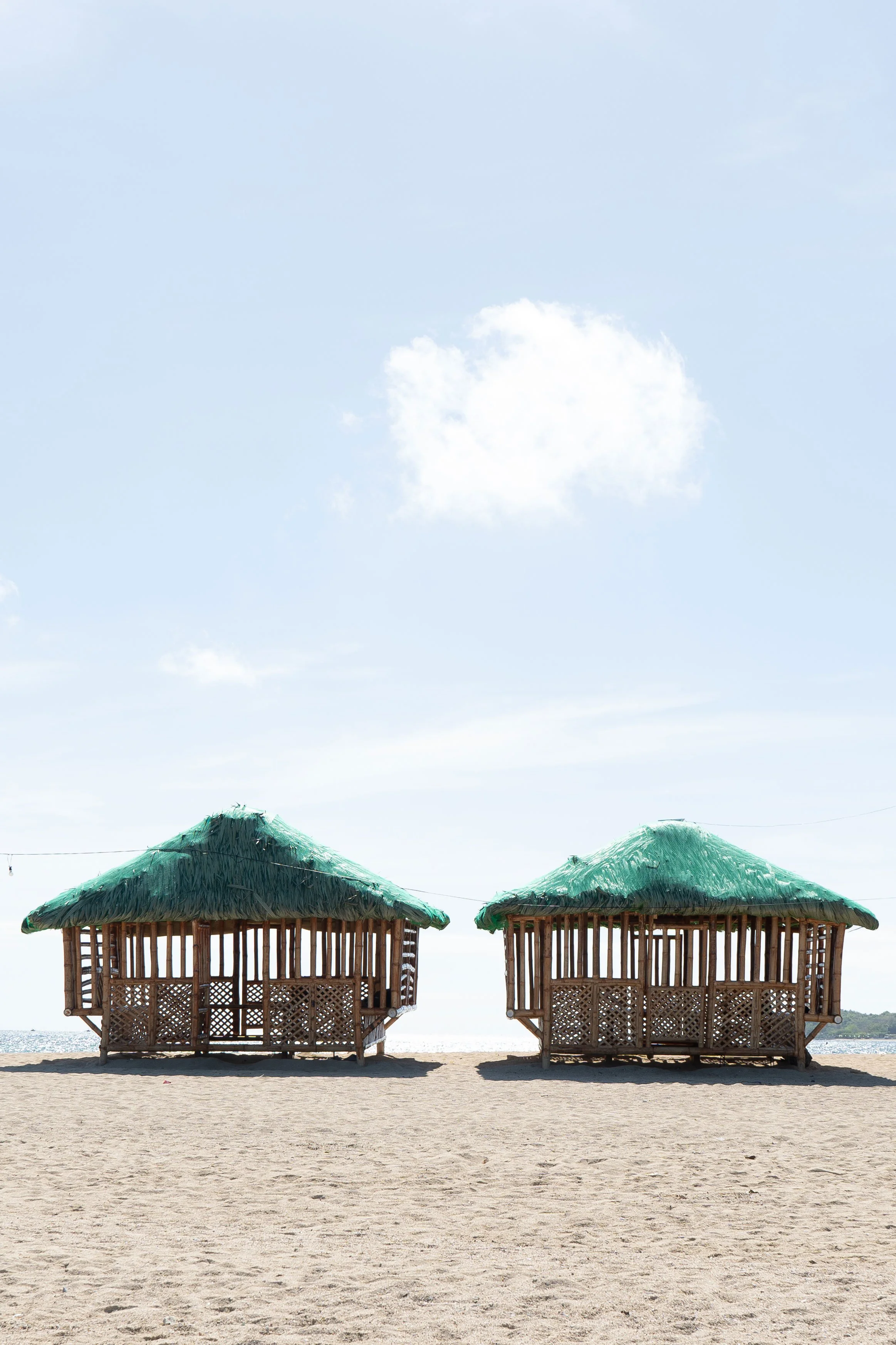
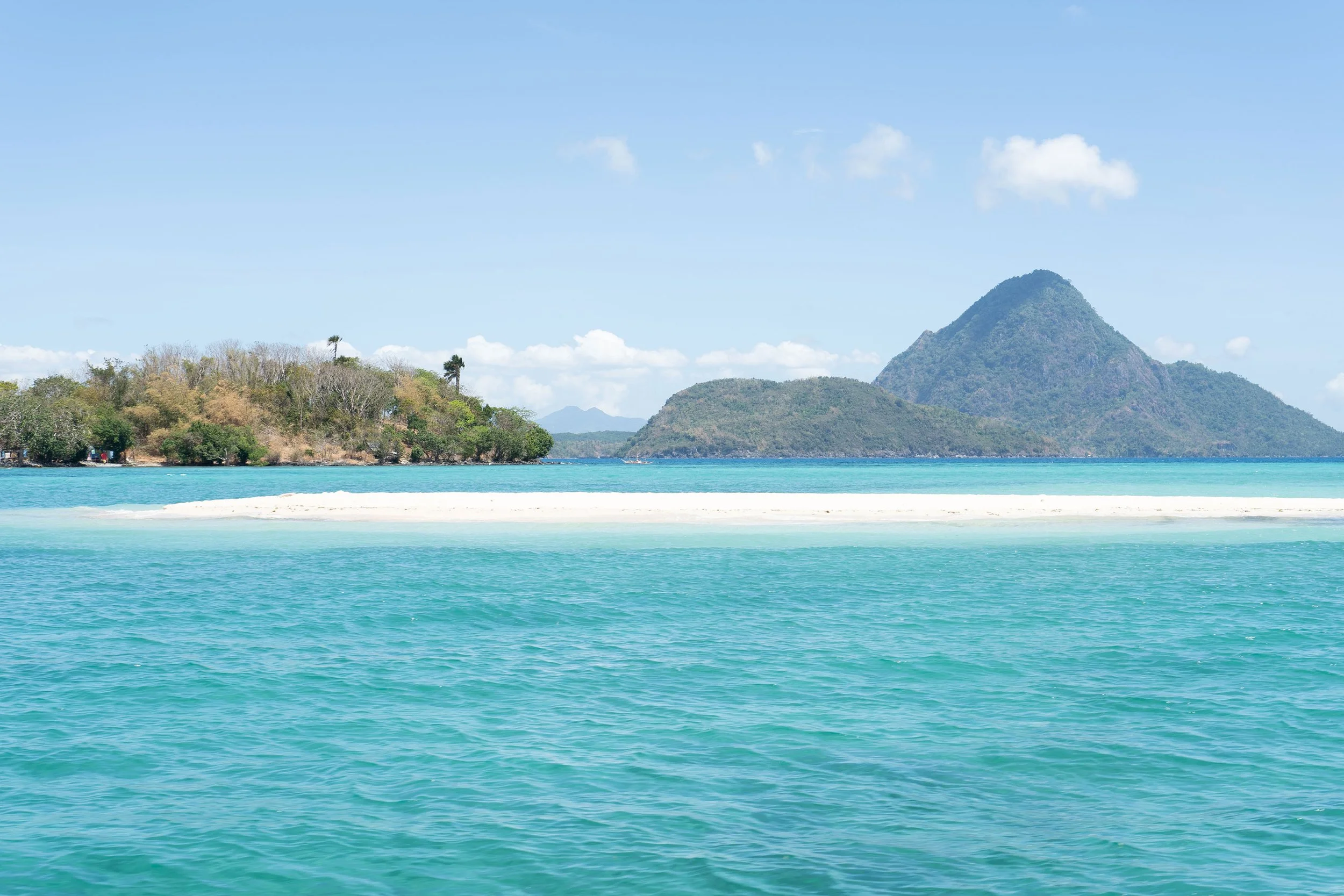
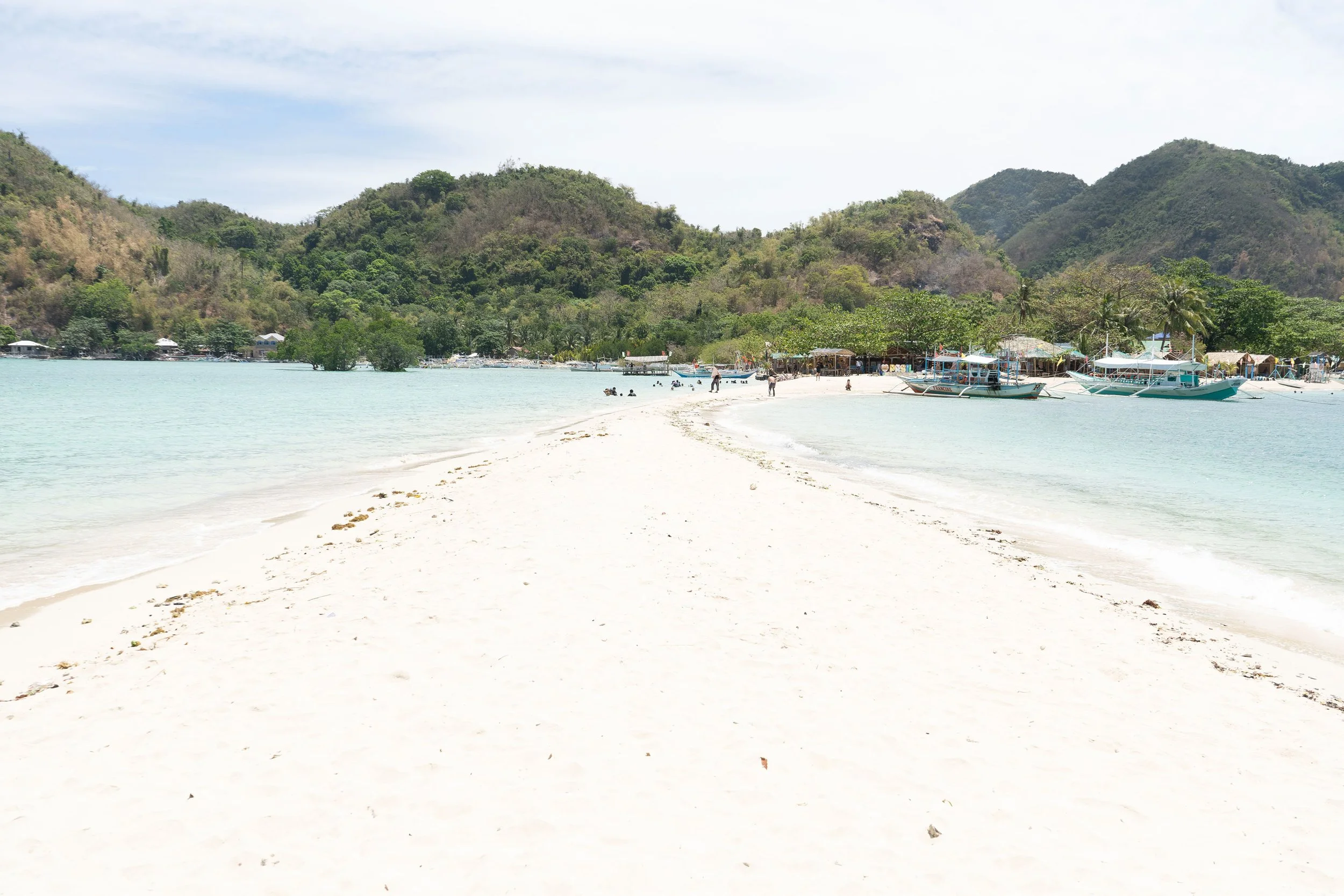
Bulubadiangan at 9:00am is lively with swimmers going for a morning dip in the clear shallow waters, and guests lounging in nipa huts of the local resort. It’s famous for its 200-meter white sandbar that’s fully exposed during low tide. Lots of other tourists were snapping photos here too. Across the sea are plenty of neighboring islands, giving you sweeping views of lush green hills and distant mountains. I didn’t know beforehand that this is a good spot for viewing local marine life, so if you get the chance to go snorkeling, definitely do it!
Badiango
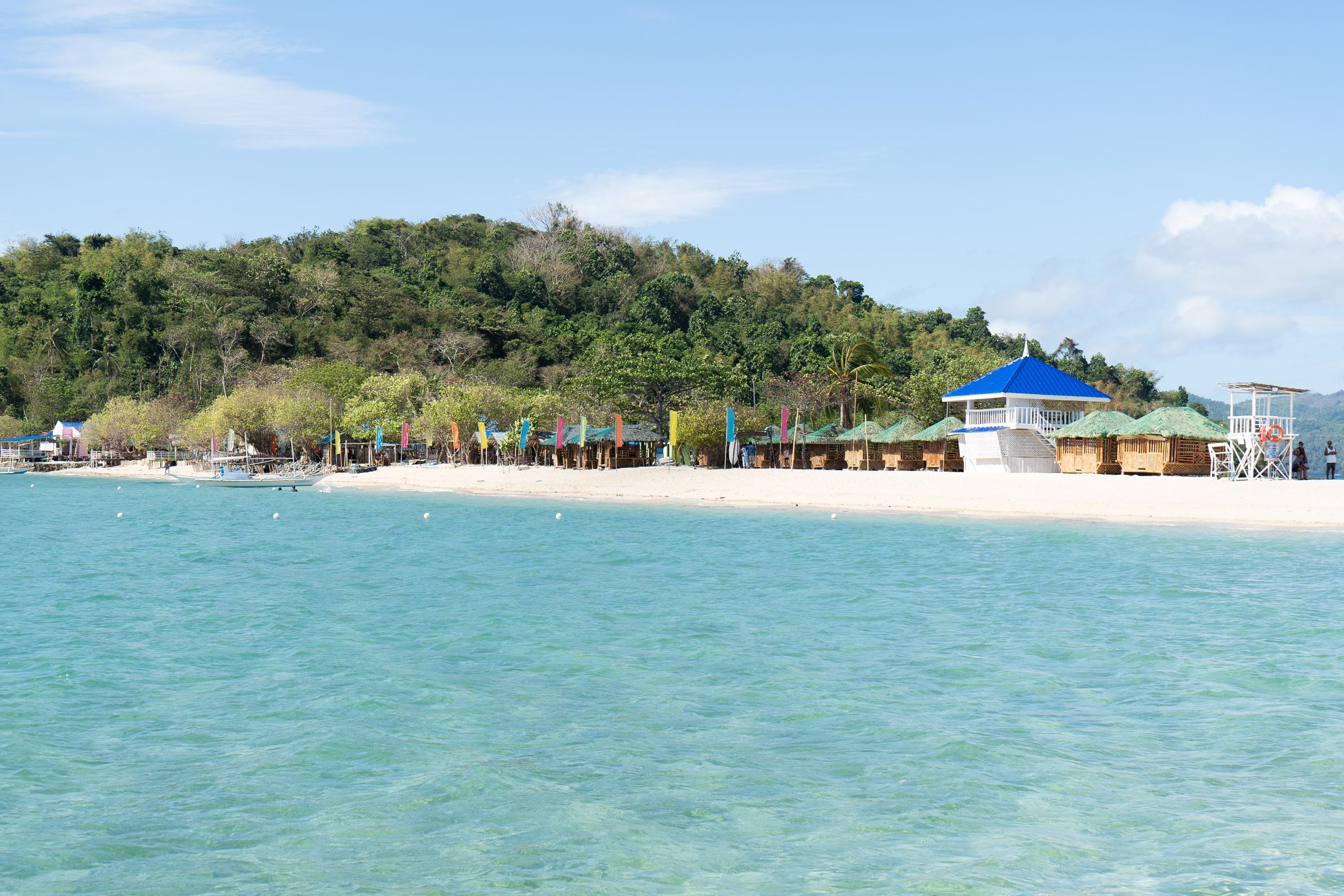
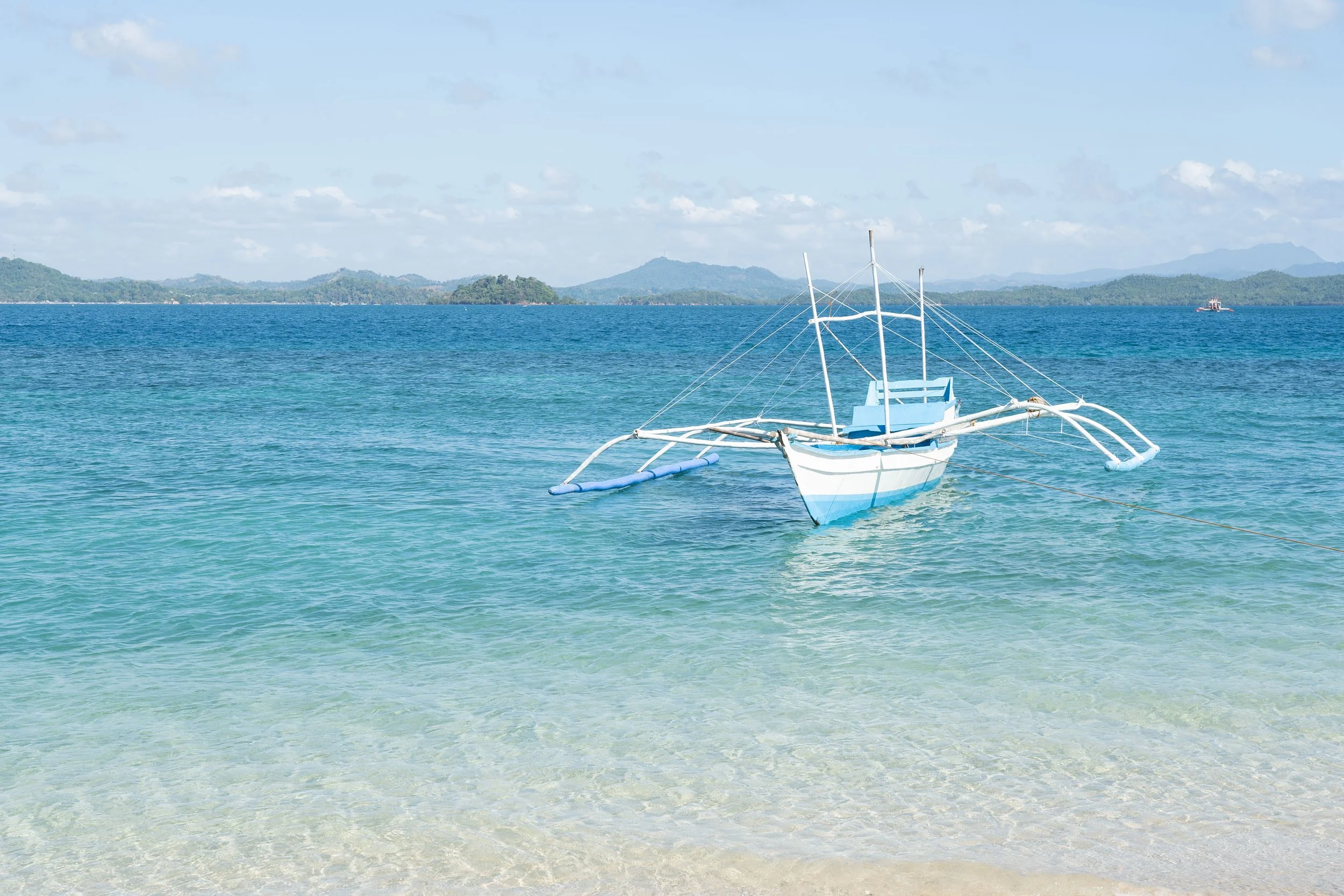
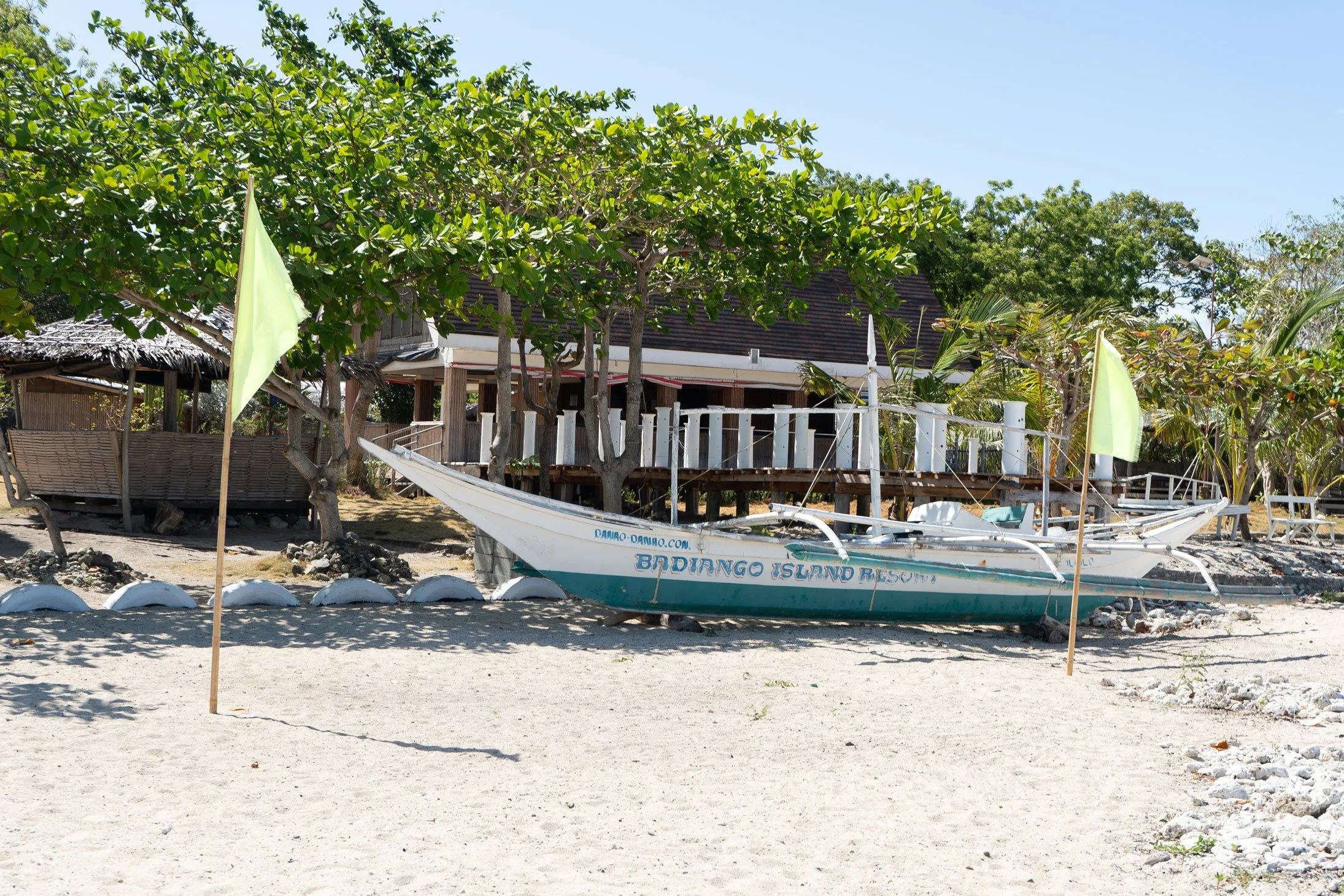
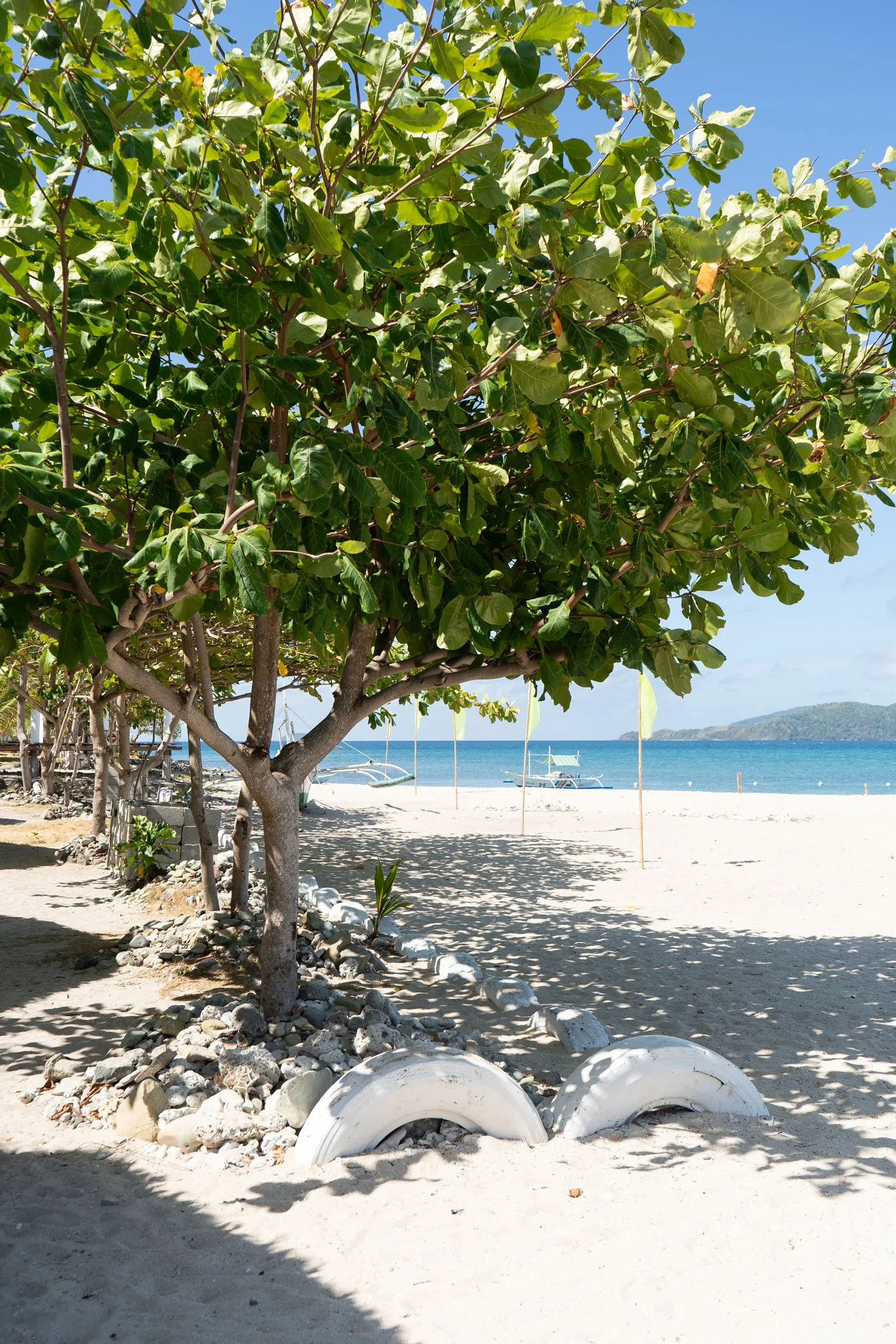
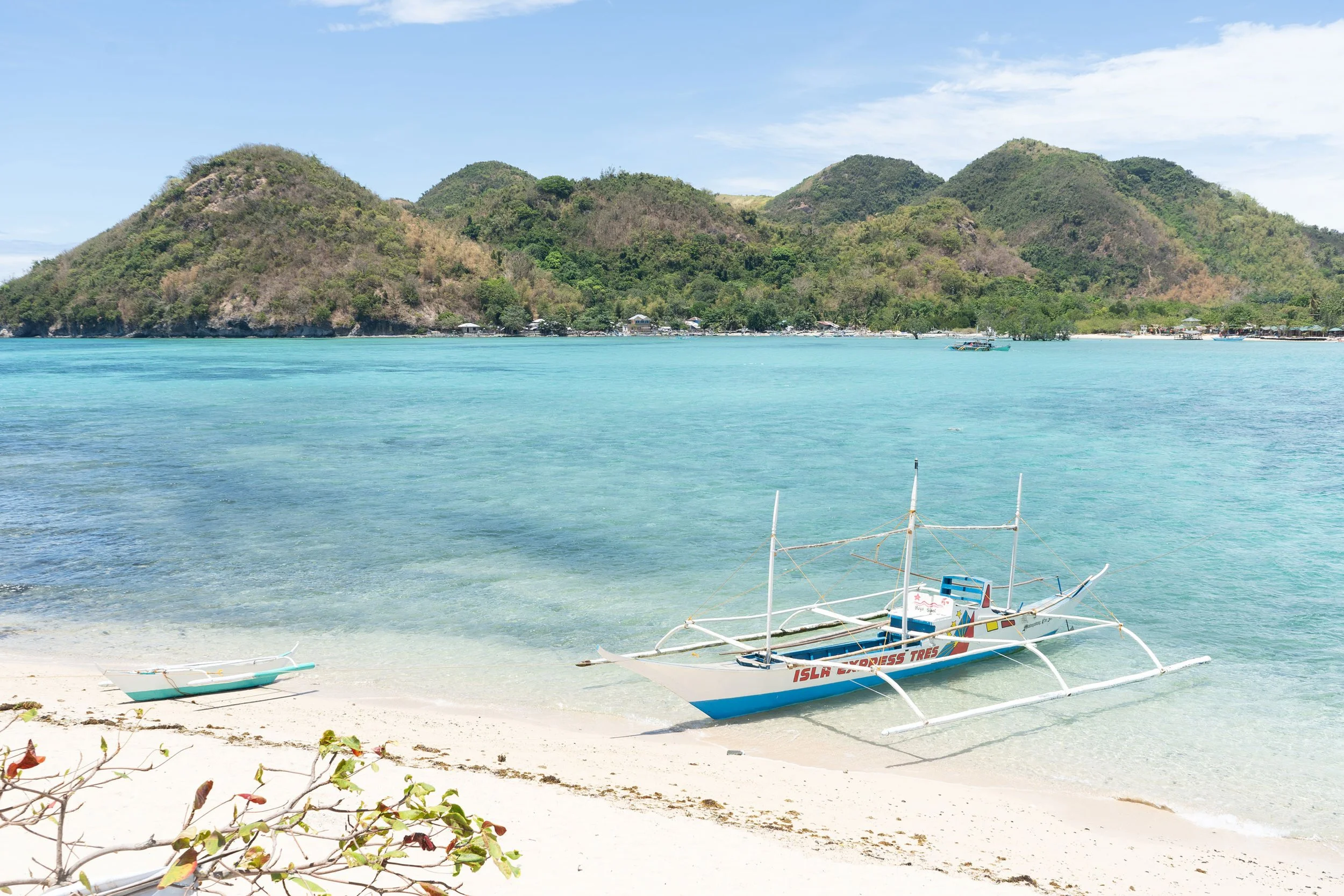
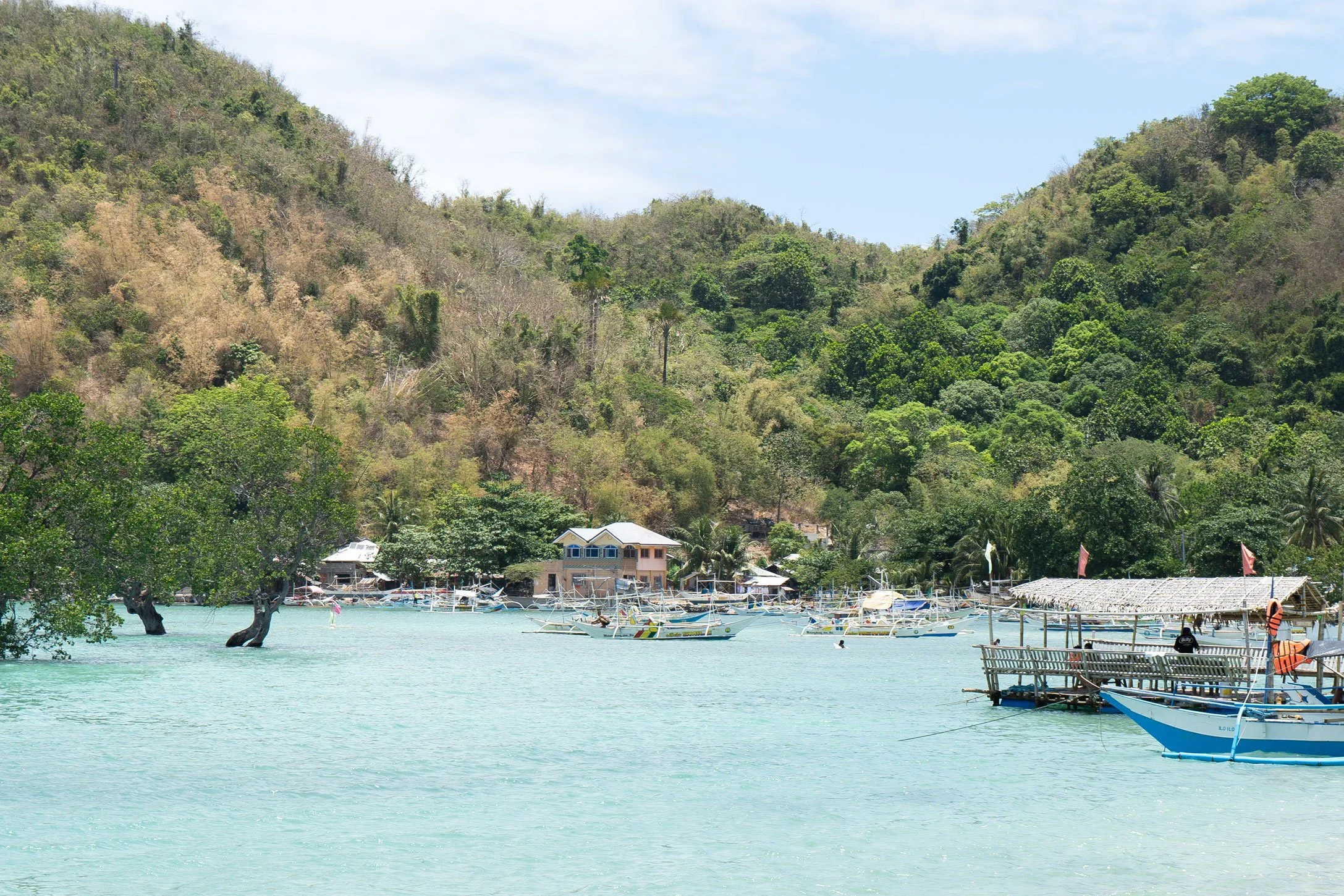
Badiango was one of the quieter islands of the day, with a mini sandbar, calm waters and small boats bobbing on the surface. Flags on bamboo posts were blowing in the wind, and the hum of locals chatting under nipa huts drifted from the resort close by. It’s a relaxing atmosphere for the beach-goer who wants to lie under the sun with a book or enjoy a seaside picnic lunch without crowds.
Agho
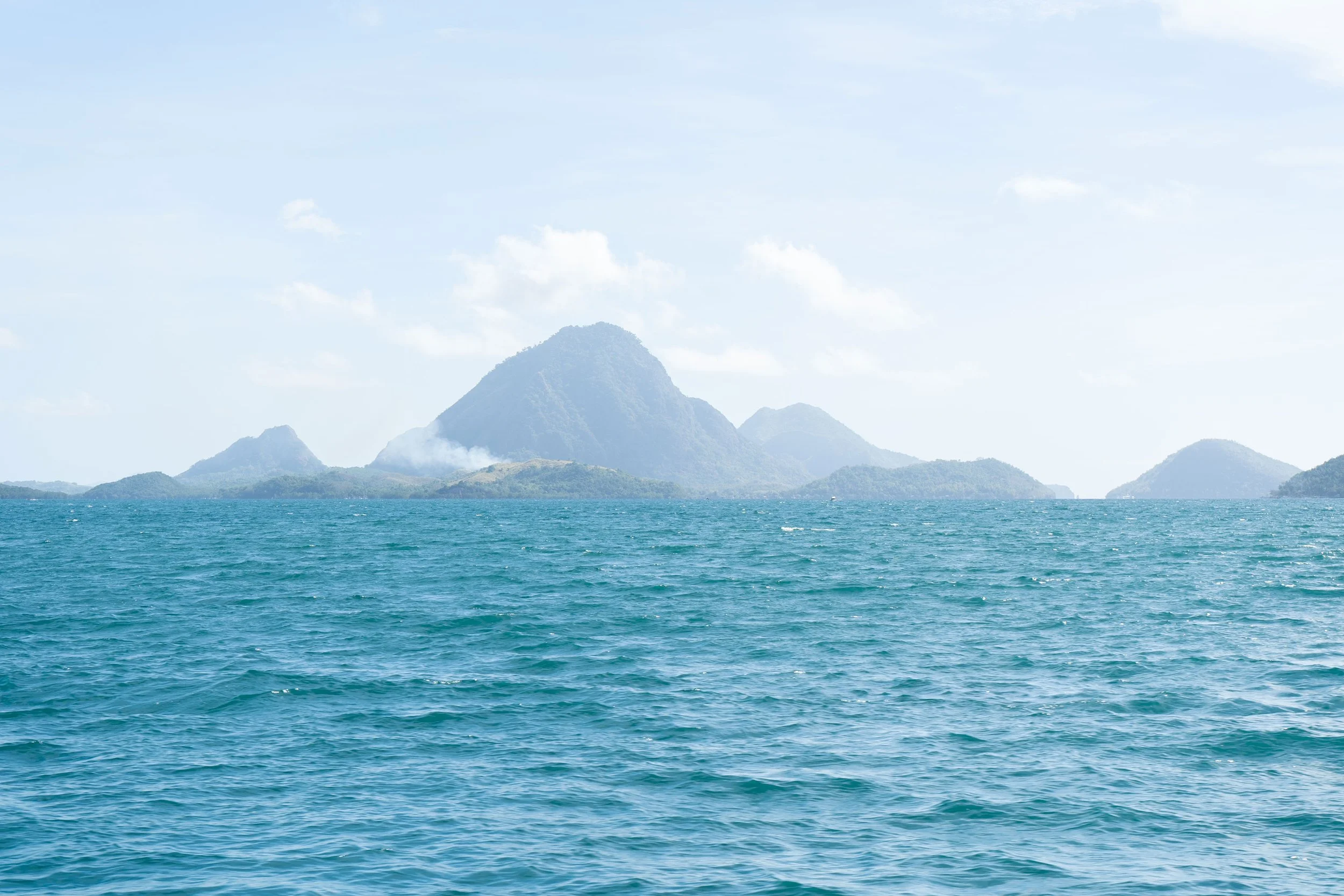
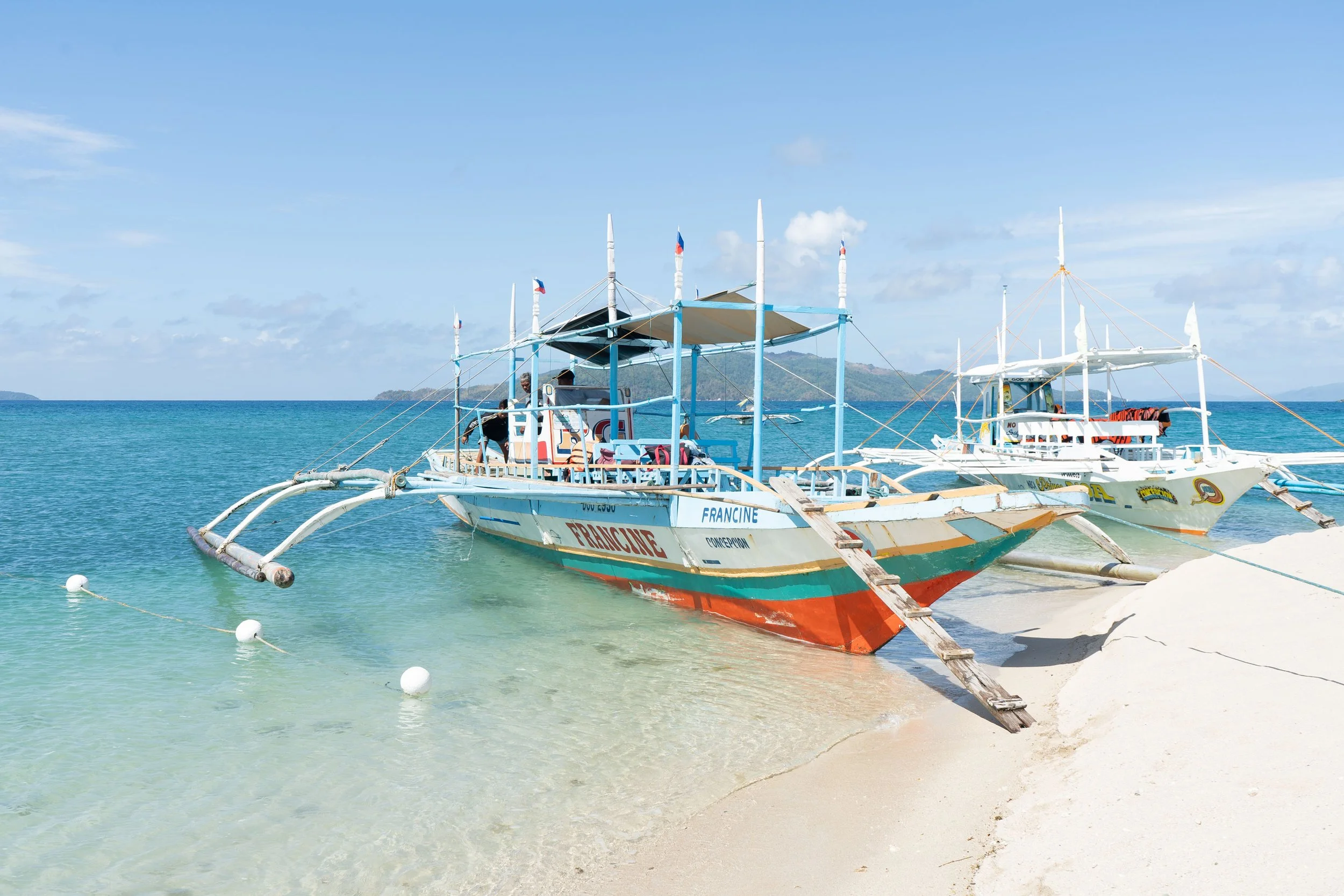
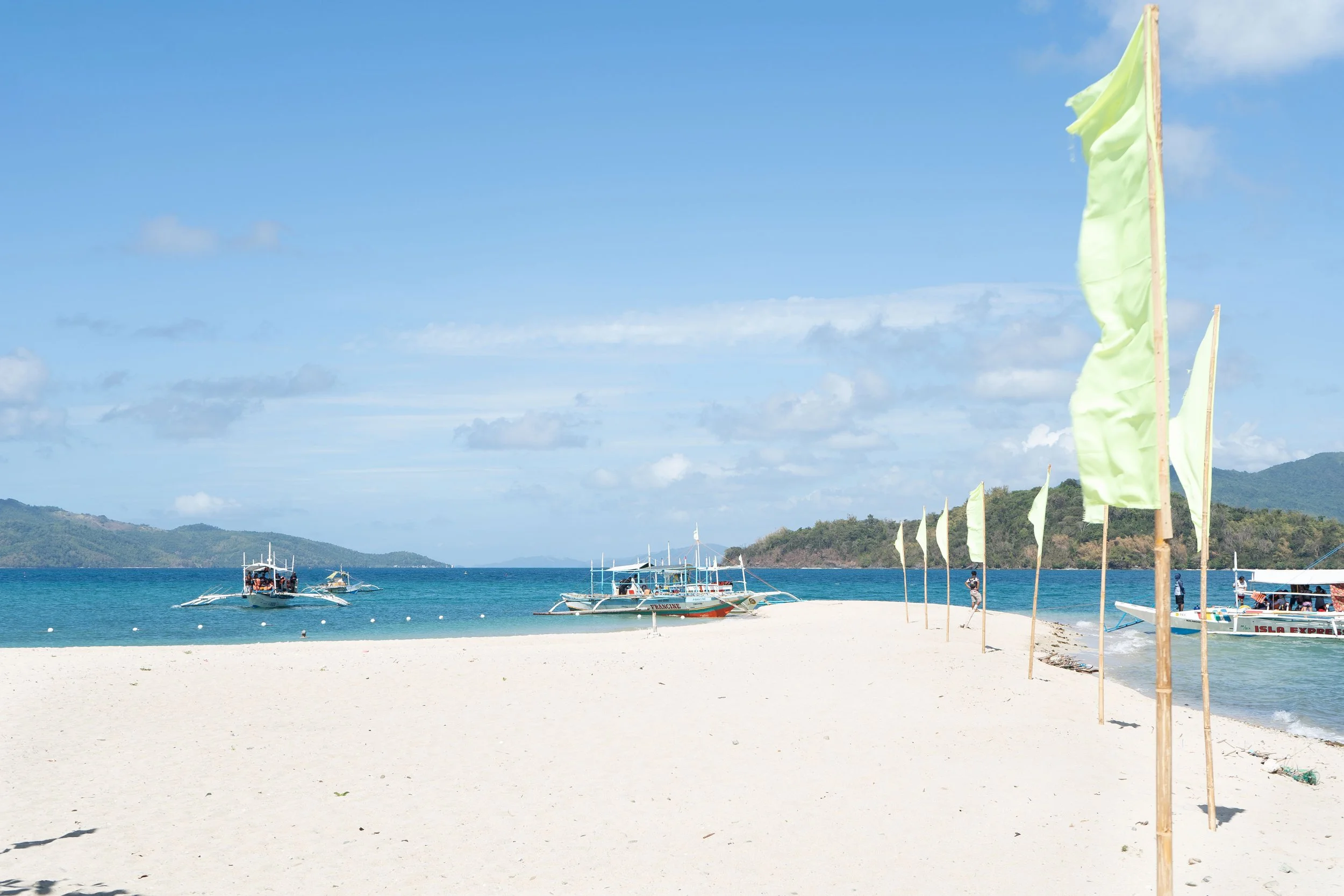
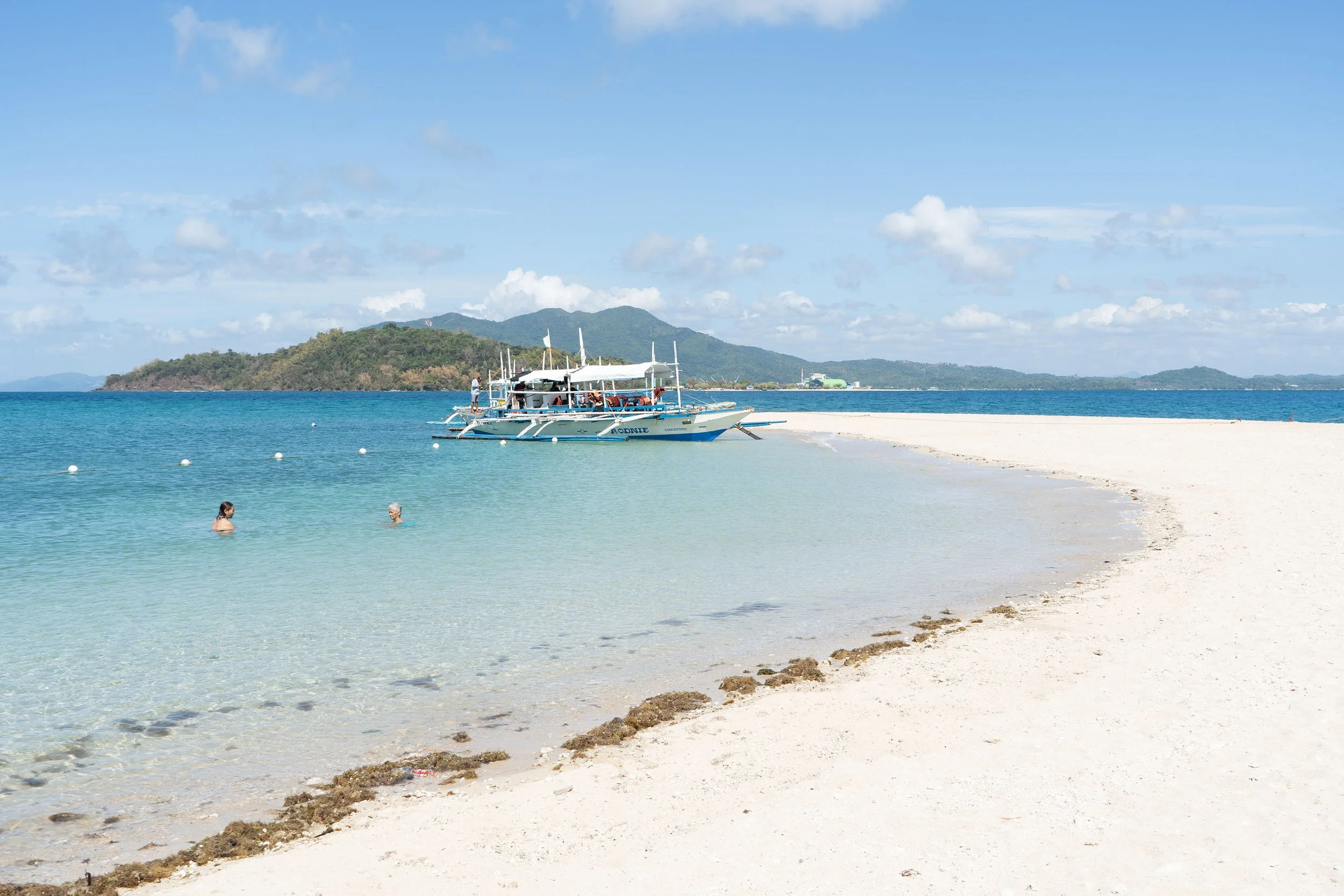
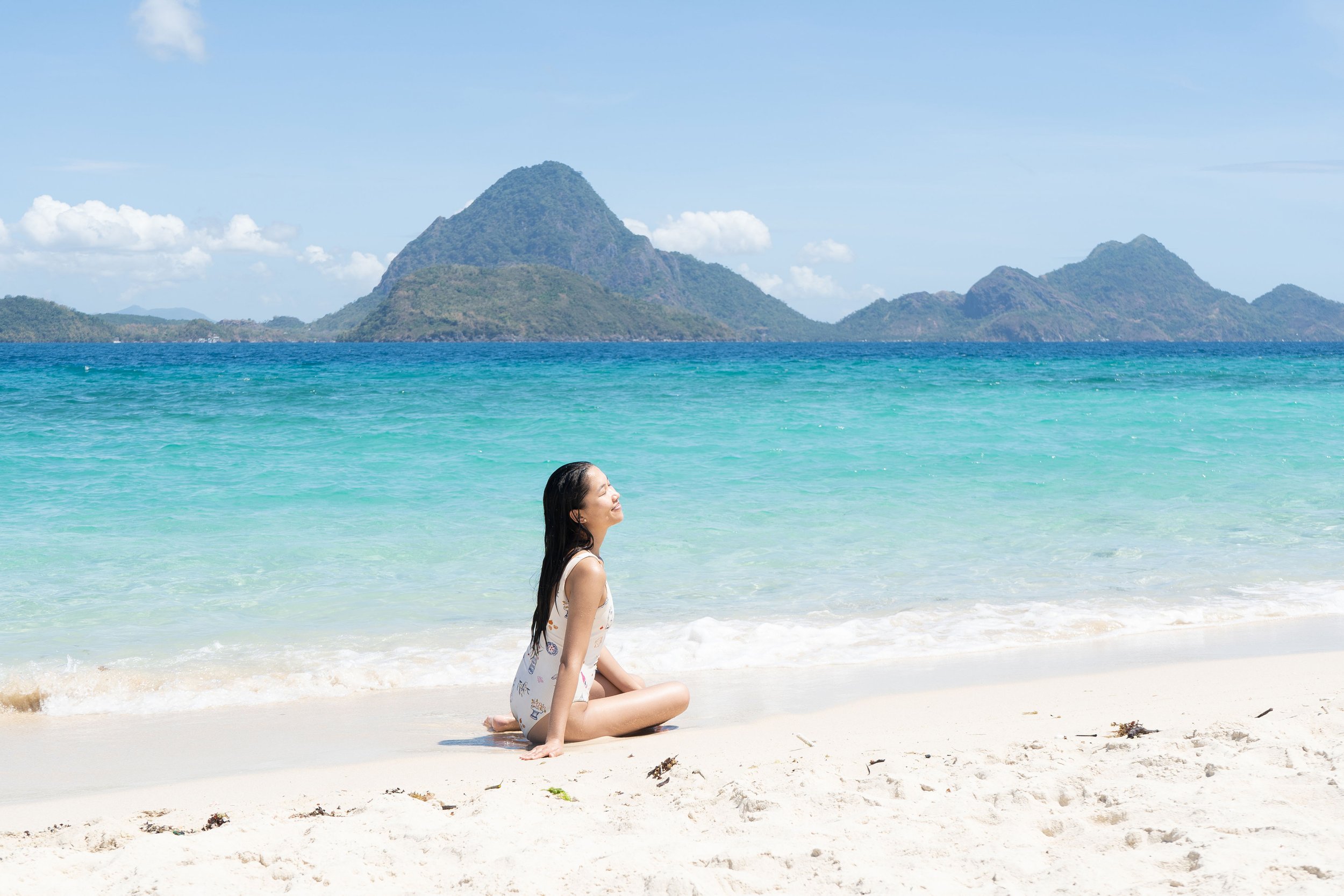
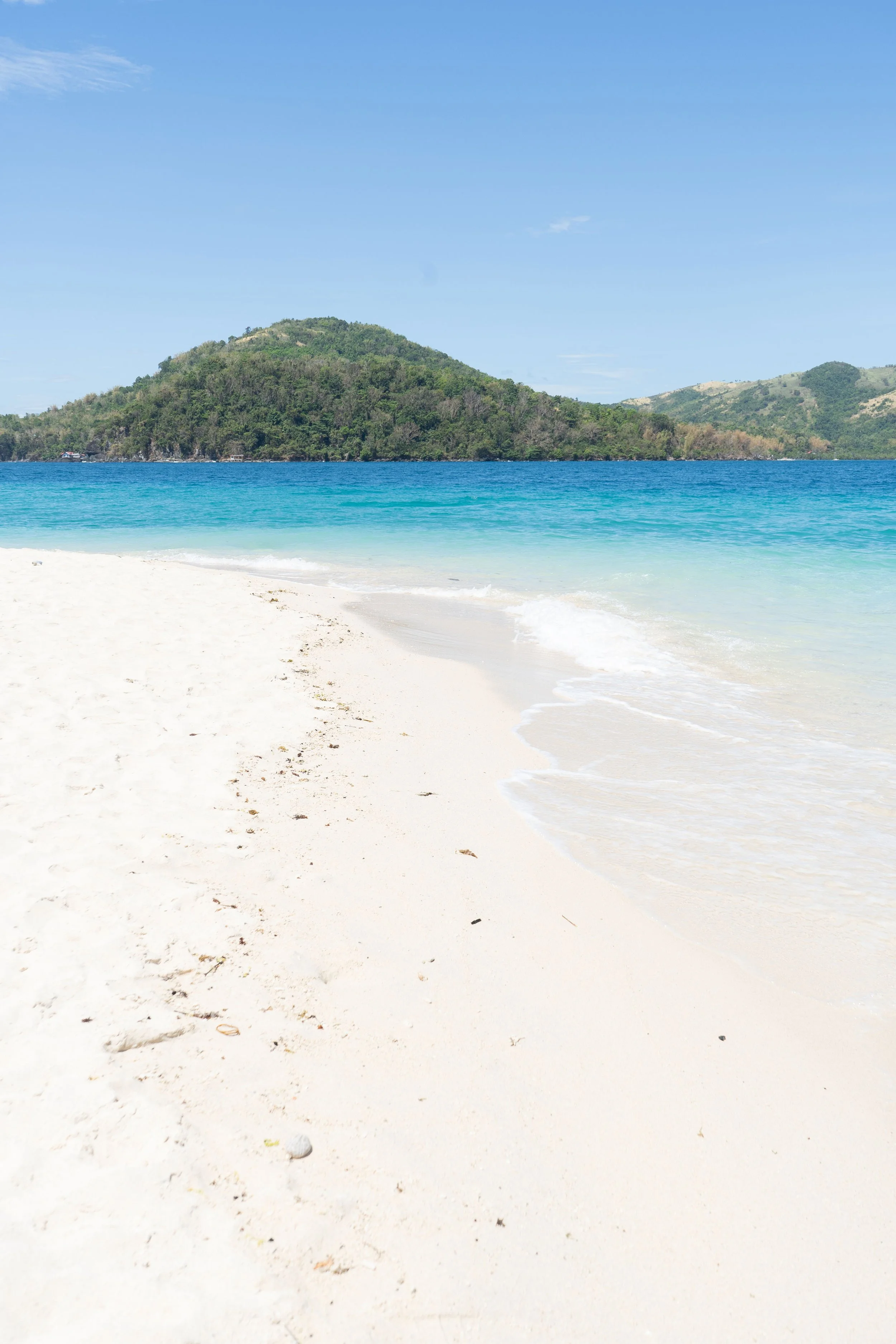
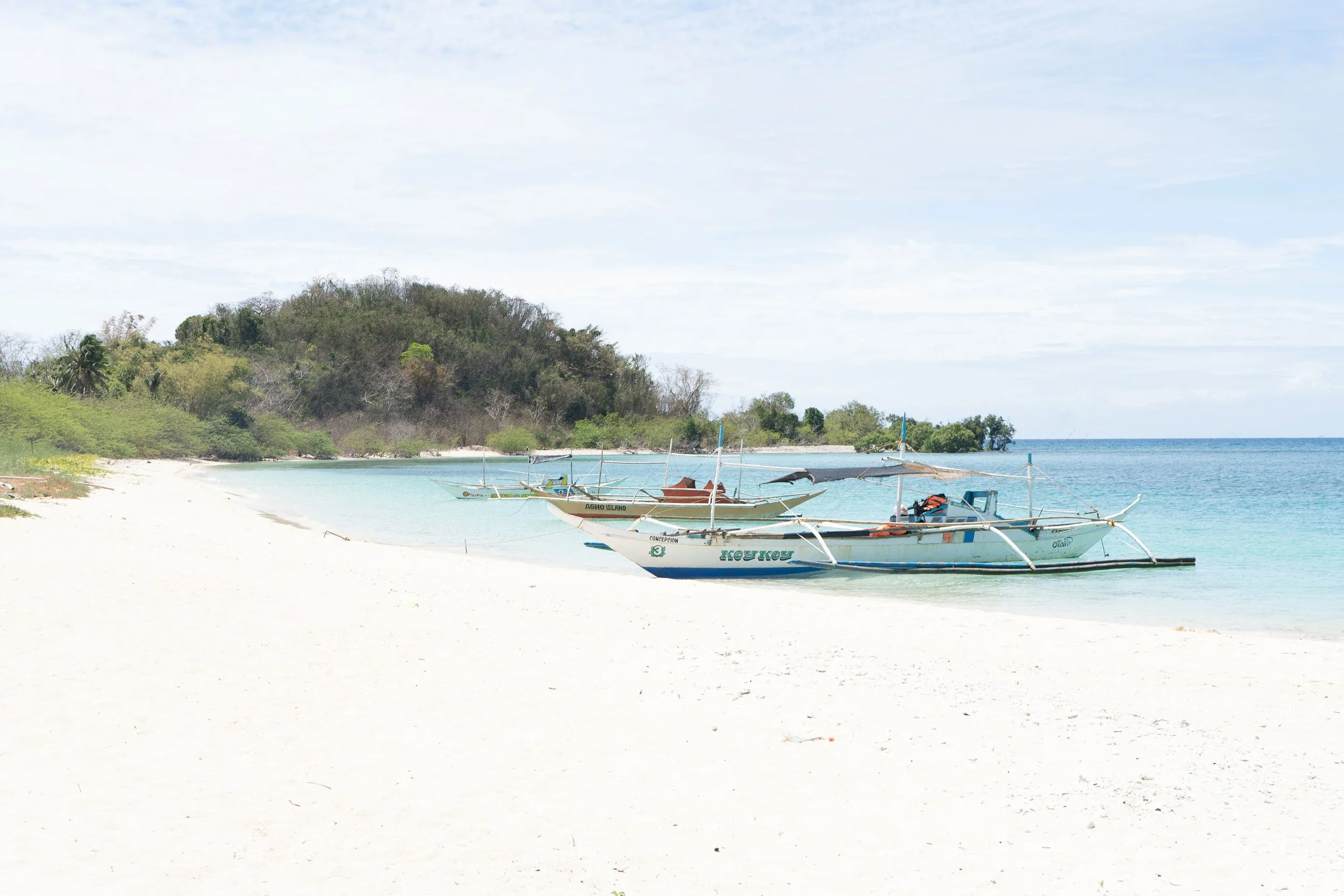
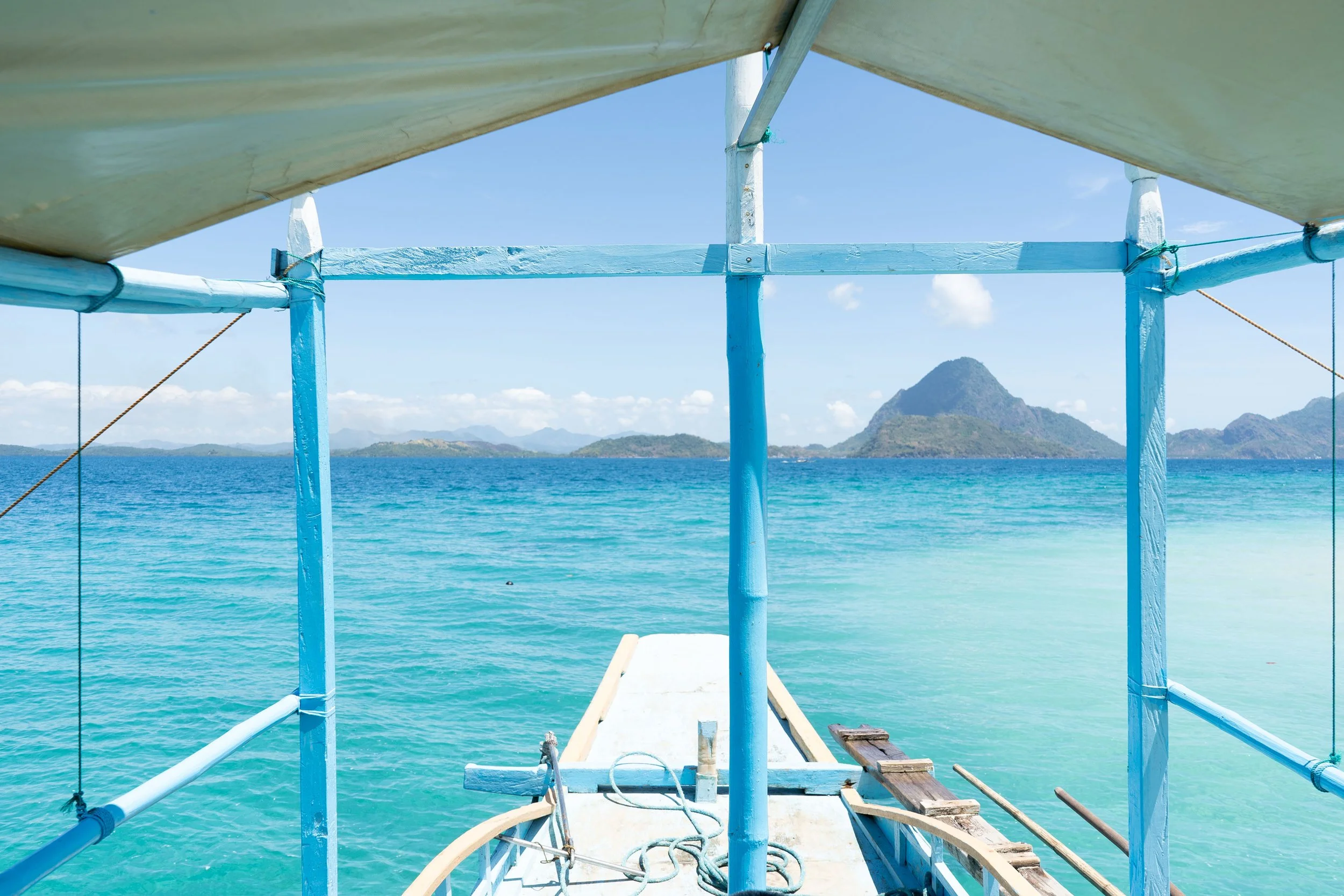
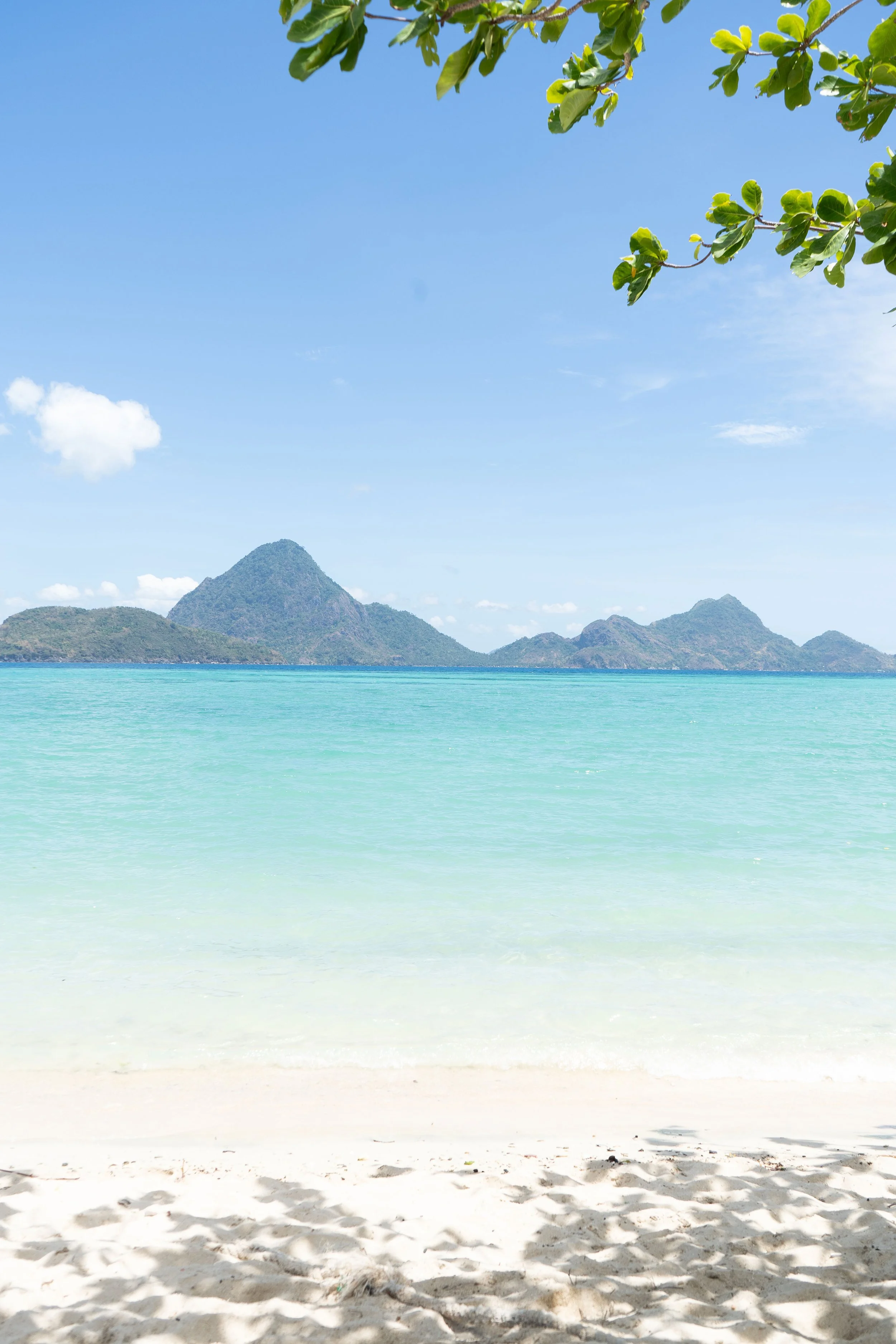
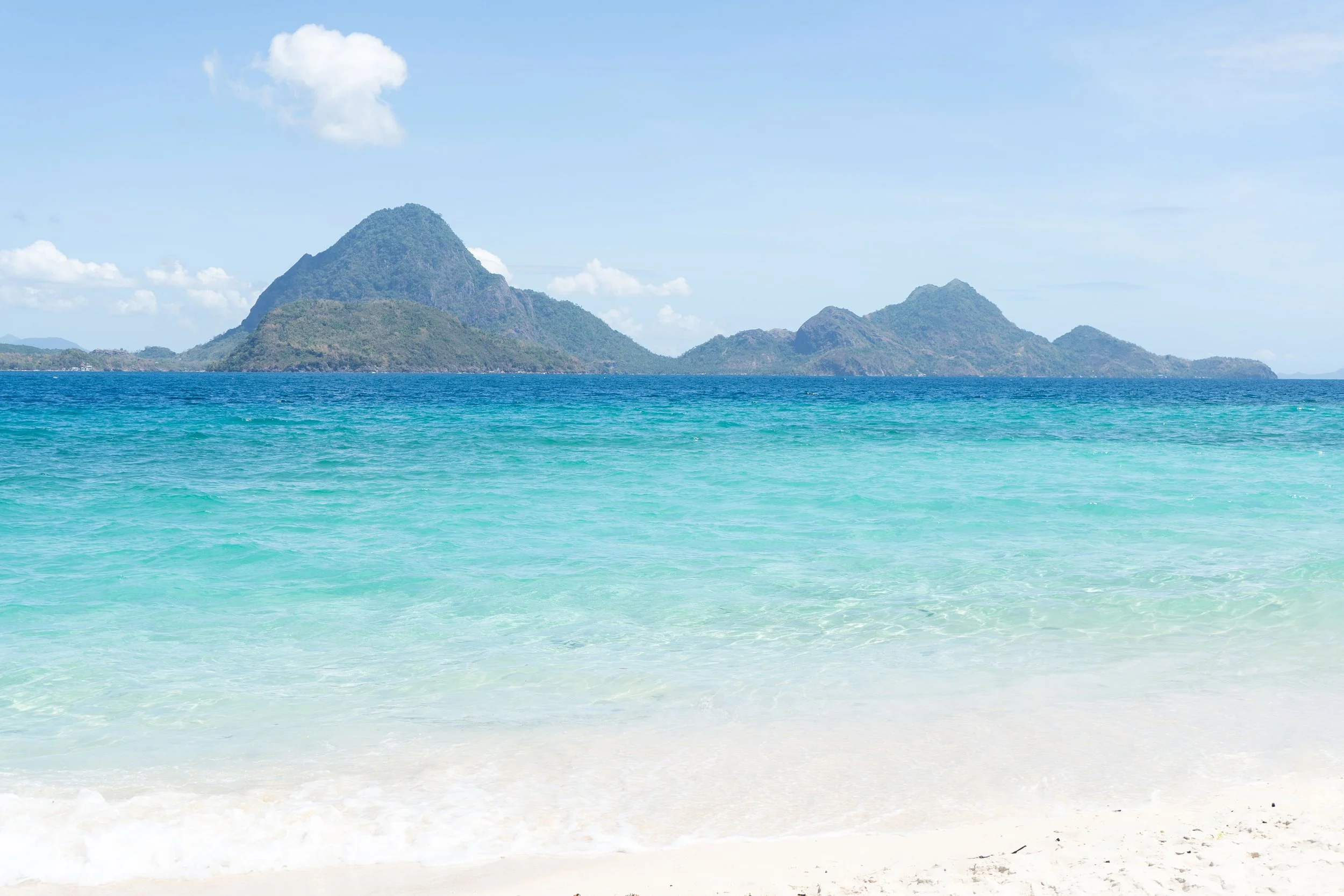
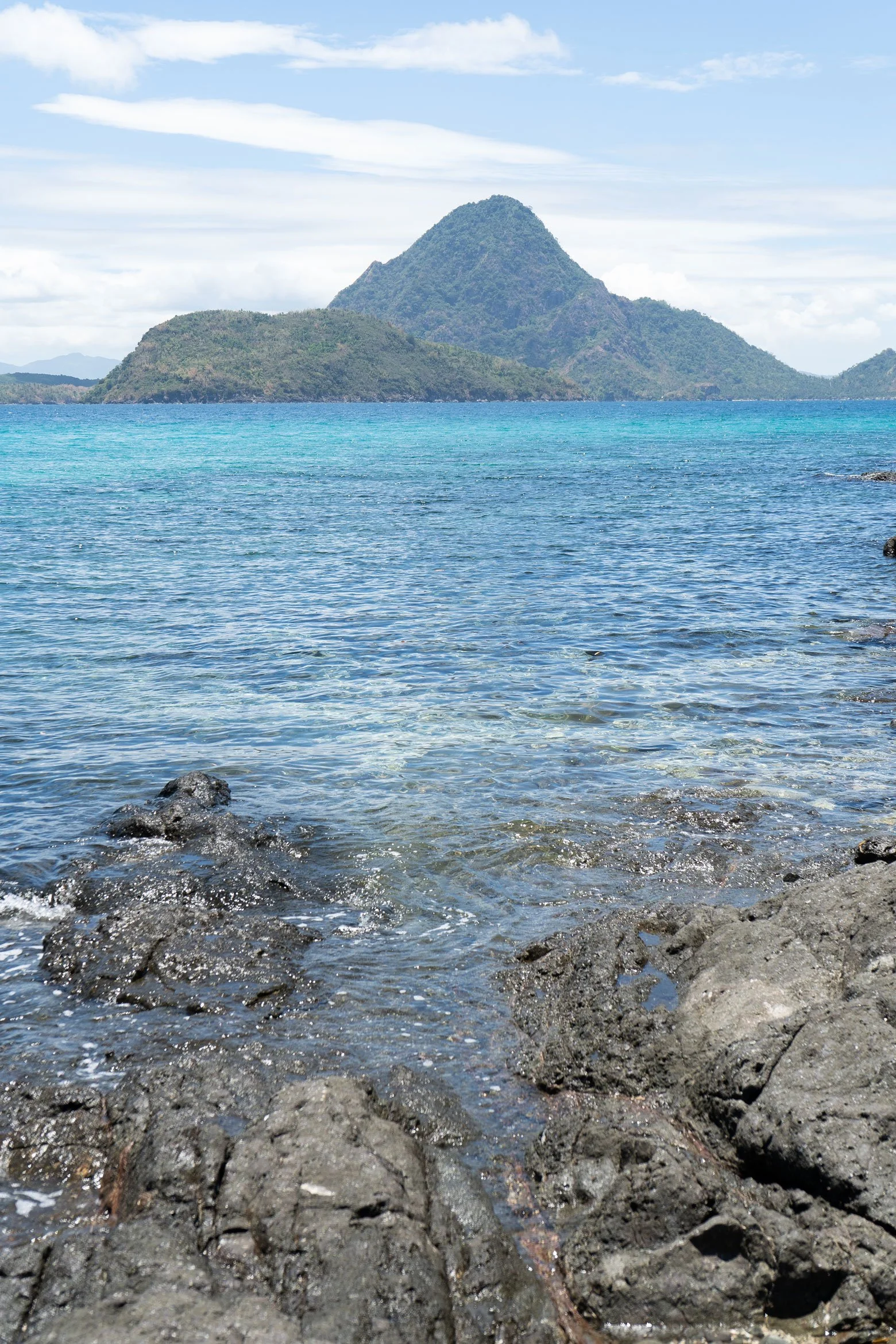
The pristine white sands, striking gradient of turquoise waters, and majestic view of the mountains across the sea are what I picture when I think of Concepcion. The moment when our boat pulled up to the sandbar, Agho instantly became my favorite. This one felt more untouched than the others, having more trees and vegetation thriving on the island instead of a proper resort. Some people had camping gear and grills set up, such a perfect spot for an overnight stay. To watch a sunset or sunrise here would make for some gorgeous golden hour photos. Apparently Agho is also an ideal snorkeling destination with an impressive coral garden.
Malangabang
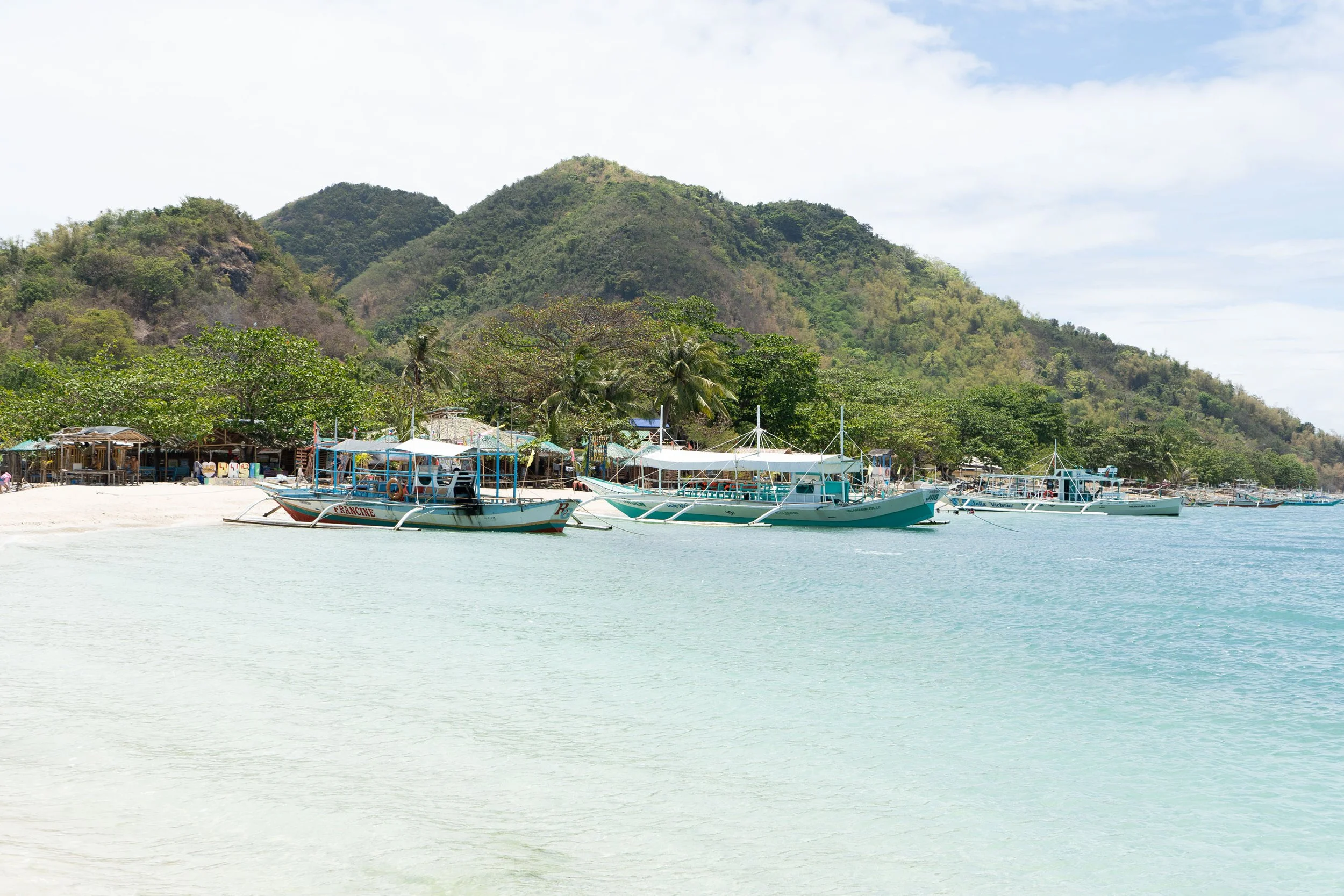
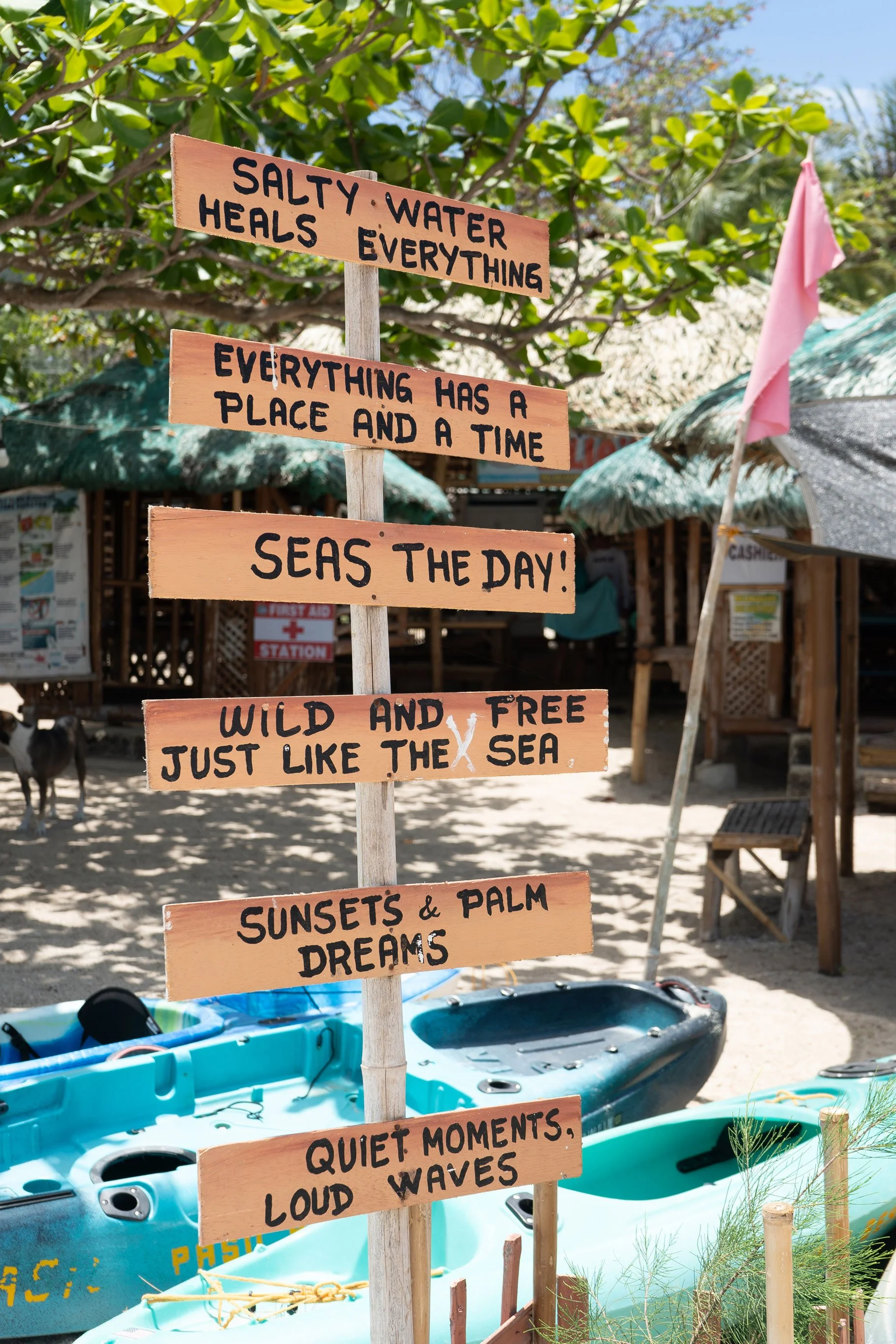
Malangabang is the most populated and commercialized island in the group, with another local beachside resort as well as small stores. This island and Agho were the ones we spent the most time in. Partly because it was lunchtime when we arrived and there are plenty of sheltered seating areas to relax. There’s a sandbar here too, though the midday crowds meant longer wait times to capture people-free photos. I will say that since it was the busiest island we visited, there was some trash scattered on the beach, which was disappointing. Hopefully the conditions of this particular island improve so that the natural environment, which many of Concepcion’s residents call home, receives the respect and care it deserves.
Bago Sipol
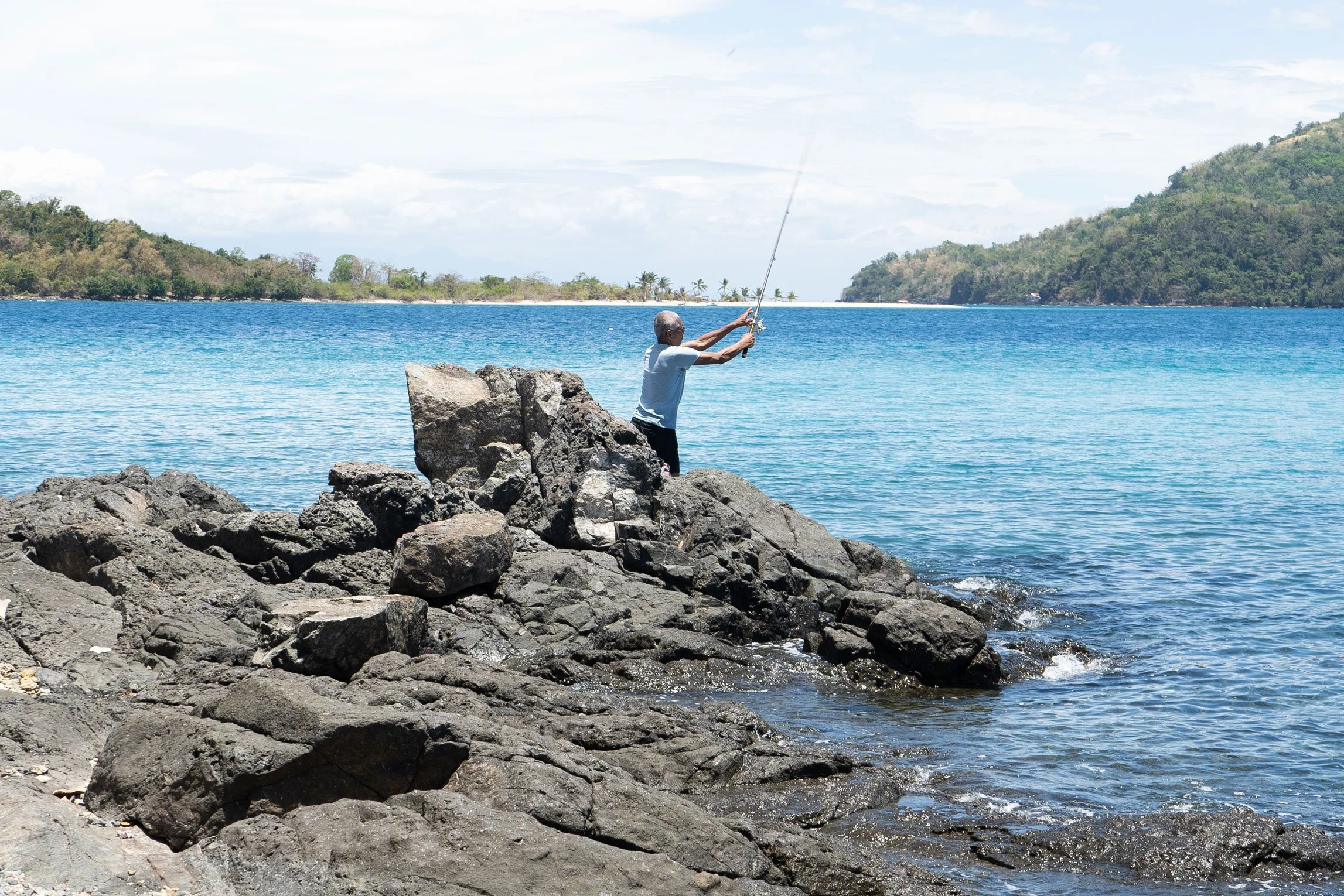
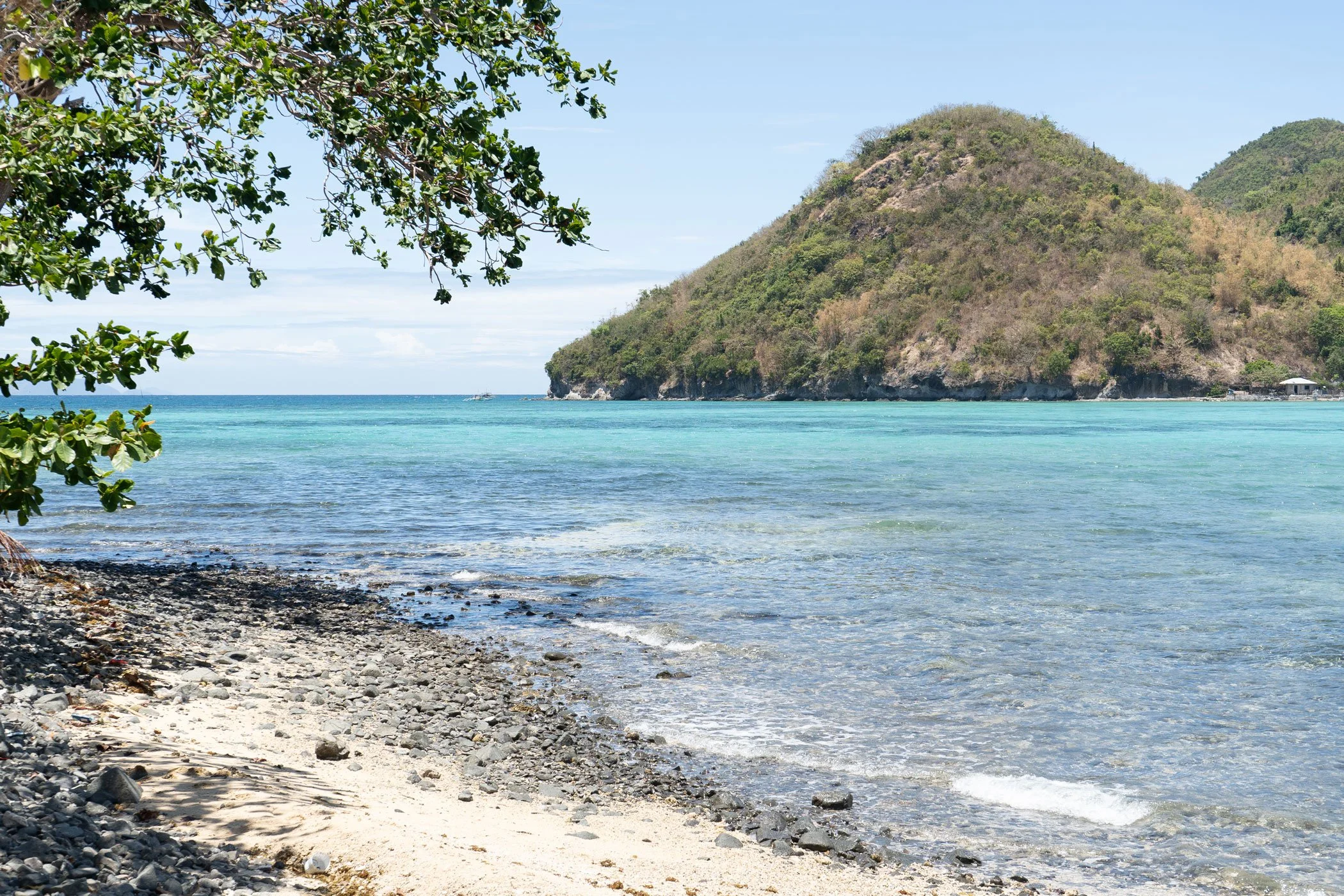
Bago Sipol was a last-minute surprise of a stop. Just a few minutes by boat across from Malangabang is this tiny island, with a few white sand beaches and rocky terrain where you can go fishing. Cottages are available for rent to stay overnight as well.
Food on a Concepcion Day Trip
Most of the islands here don't have restaurants, so packing your own lunch is the norm for a Concepcion day trip. That's what we did, bringing simple sandwiches and fruit to enjoy and snacks to munch on in between islands. Malangabang is the exception: it has a local resort with dining services and sheltered seating areas right by the shore. A good option if you'd rather not carry food with you or just want a shaded spot to picnic.
Photography Notes
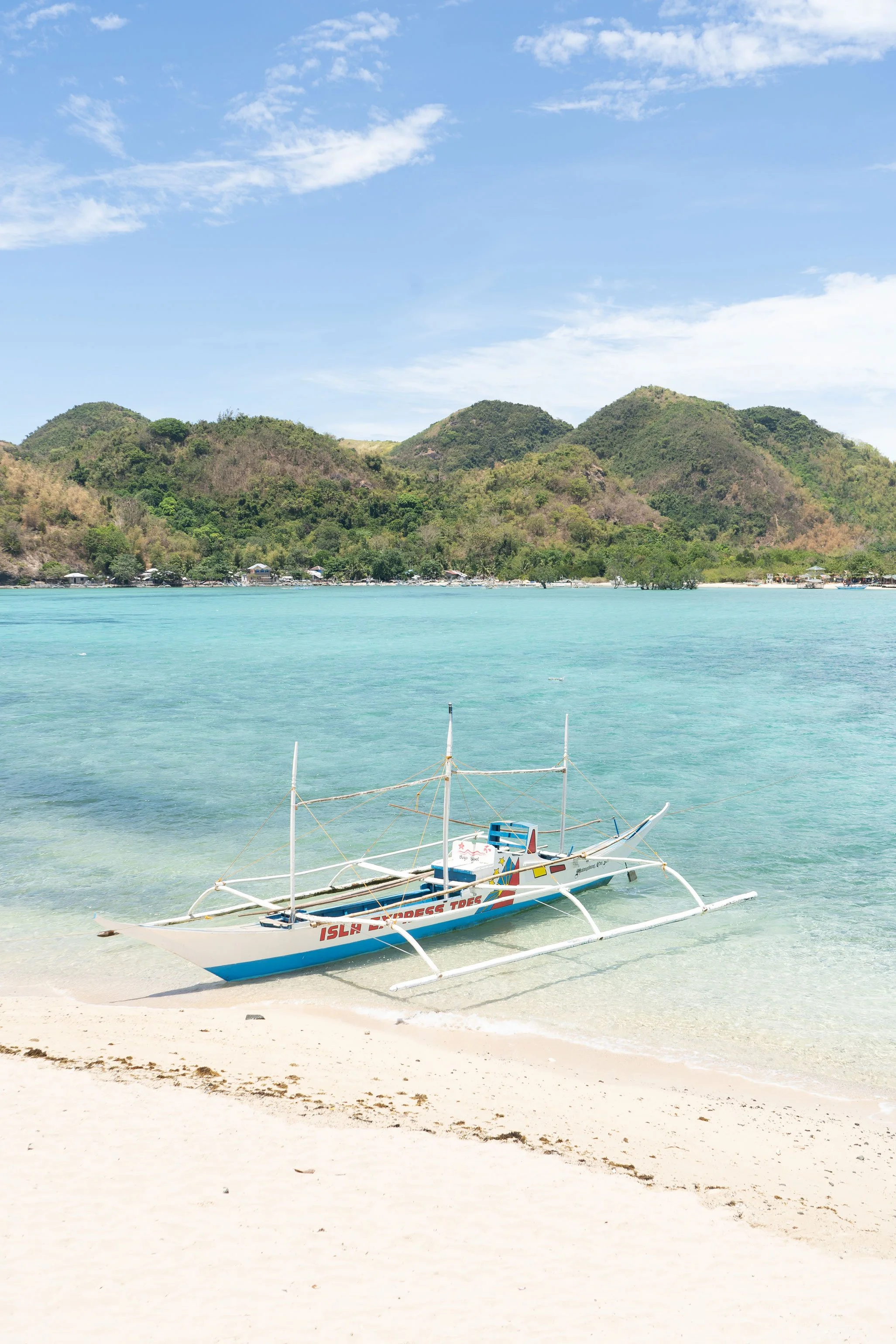
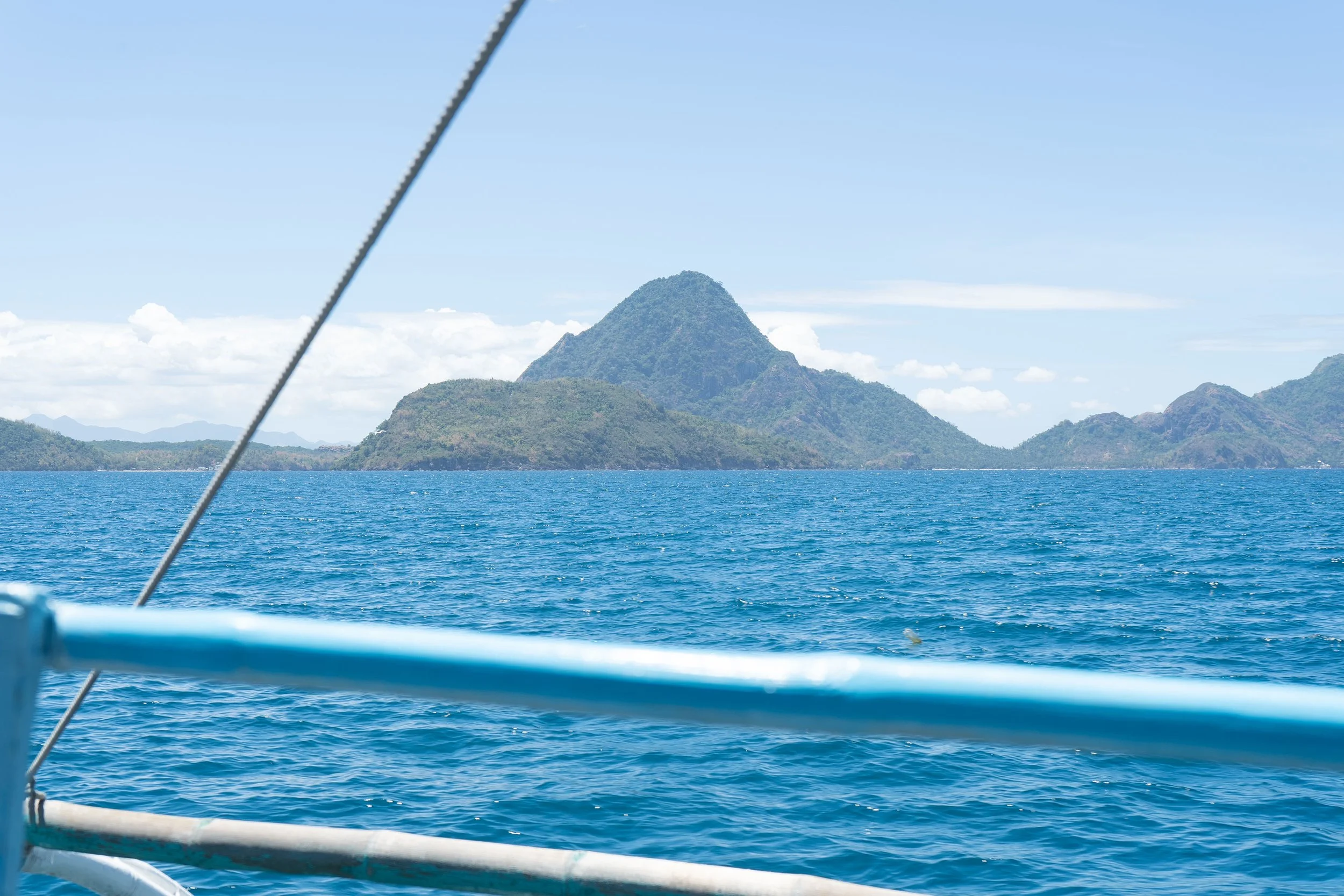
Spending the entire morning into early afternoon out on the islands meant I was able to photograph the seascapes in full sun, with the forecasted rain holding off until we were already heading home. A framing technique I found myself returning to when shooting was using the structure of the boat to frame different views. Another trick I like to use, especially when shooting in bright sunlight, is slightly underexposing my shots. This allows me to preserve any details in the highlights that might have otherwise been lost if shot at normal exposure. You can do this in many ways: increase your shutter speed, make your aperture smaller, lower your ISO, or adjust your exposure compensation (selecting a negative number, ex: -1, -2, etc). As for photo ideas, don’t forget to capture the views of the mountains across the sea on Agho, the pristine white sandbars, and any quiet details that catch your eye like painted boats or the changing light.
Camera Gear Used: Sony A7III + 28-70mm f/3.5-5.6 lens; iPhone 11
Travel Tips for Concepcion
Bring cash — most islands don't have stores, and the few that do will have limited supply, so budget accordingly.
Pack your own food and water, since dining options are scarce outside of Malangabang. A small cooler with a simple packed lunch and drinks will save you the stress of finding something to eat mid-hunger.
Respect local communities — these islands are home to fishing families, not just a backdrop for photos. Please be mindful of leaving areas clean respecting local wildlife.
Support your boatmen and guides, who make every effort to provide a safe and fun island hopping experience. They take care of everything from navigating these waters, to hauling gear in the heat, to helping curate the kind of sights and activities you’d enjoy the most. Please consider tipping generously; either by tipping guides individually or leaving cash in the shared tip box, which boats sometimes have.
Sample Concepcion Day Trip Itinerary
Here is our Concepcion day-tour itinerary:
5:30am — Depart Iloilo City
8:00am — Arrival in Concepcion, boat departure
8:30am — Island hopping: Bulubadiangan, Badiango, Agho, Malangabang, Bago Sipol
12:00pm — Lunch (packed / at Malangabang)
1:30pm — Return to Concepcion mainland
2:30pm — Travel back to Iloilo City
Concepcion Travel Costs & Budget Guide
Here are the approximate costs to budget for in Concepcion:
Boat/island hopping tour — 7000PHP ($113.56USD) for a private charter boat, to split among 4 passengers
Transport (Iloilo to Concepcion round trip) — 220PHP ($3.56USD) for bus fare
Food/lunch (if bought at Malangabang) — 100-450PHP ($1.62-7.29USD) which covers food options from buying fresh catch to be cooked/grilled for you (100-200PHP) to cooked meals or a prepared seafood spread (200-450PHP)
For questions and booking assistance, contact Fe Sanchez via Facebook or at 09472951142
Final Thoughts: Why Concepcion is Worth the Trip
By the time we were back on the mainland, packed lunch containers empty and sand still stuck to everything, it was clear Concepcion had given us something Gigantes hadn't. A slower pace, a more local feel, and the memories of walking across the whitest sandbars I’d ever laid eyes on.
If Concepcion is on your radar, I'd say go sooner rather than later, before it changes. And if you're building out a longer Iloilo itinerary, my Isla Gigantes guide is a natural next stop — same region, different pace entirely.
If this kind of content resonates with you, follow along as I experience the Philippines more slowly, creatively and authentically.