
ISLA GIGANTES & SICOGON TRAVEL GUIDE: A SLOW, SOULFUL ESCAPE IN ILOILO, PHILIPPINES
Going island hopping in the Philippines always leaves me in awe of nature’s beauty, and Isla Gigantes is no exception. Before this trip, I looked up photos of what this place looks like, but pixels on a screen could never do it justice. Our early morning arrival to the port in Carles greeted us with salt air and the sound of waves gently lapping against the shore. It would be an hour-long boat ride to the first stop before our day tour officially started. The locals here truly live according to the quiet rhythm of island life, lounging in hammocks under the palm trees and grilling fresh meat and fish by the sea. As someone who recently moved here to the Philippines, I find myself seeking out more meaningful travel experiences around my motherland. And observing these slow life moments makes me feel more connected to the destination I’m visiting. This Isla Gigantes travel guide is about discovering a truly underrated gem in Iloilo, with insights about island hopping, travel logistics, photography tips and more. Let’s get into it!
Where is Isla Gigantes? (And Why It Feels So Untouched)
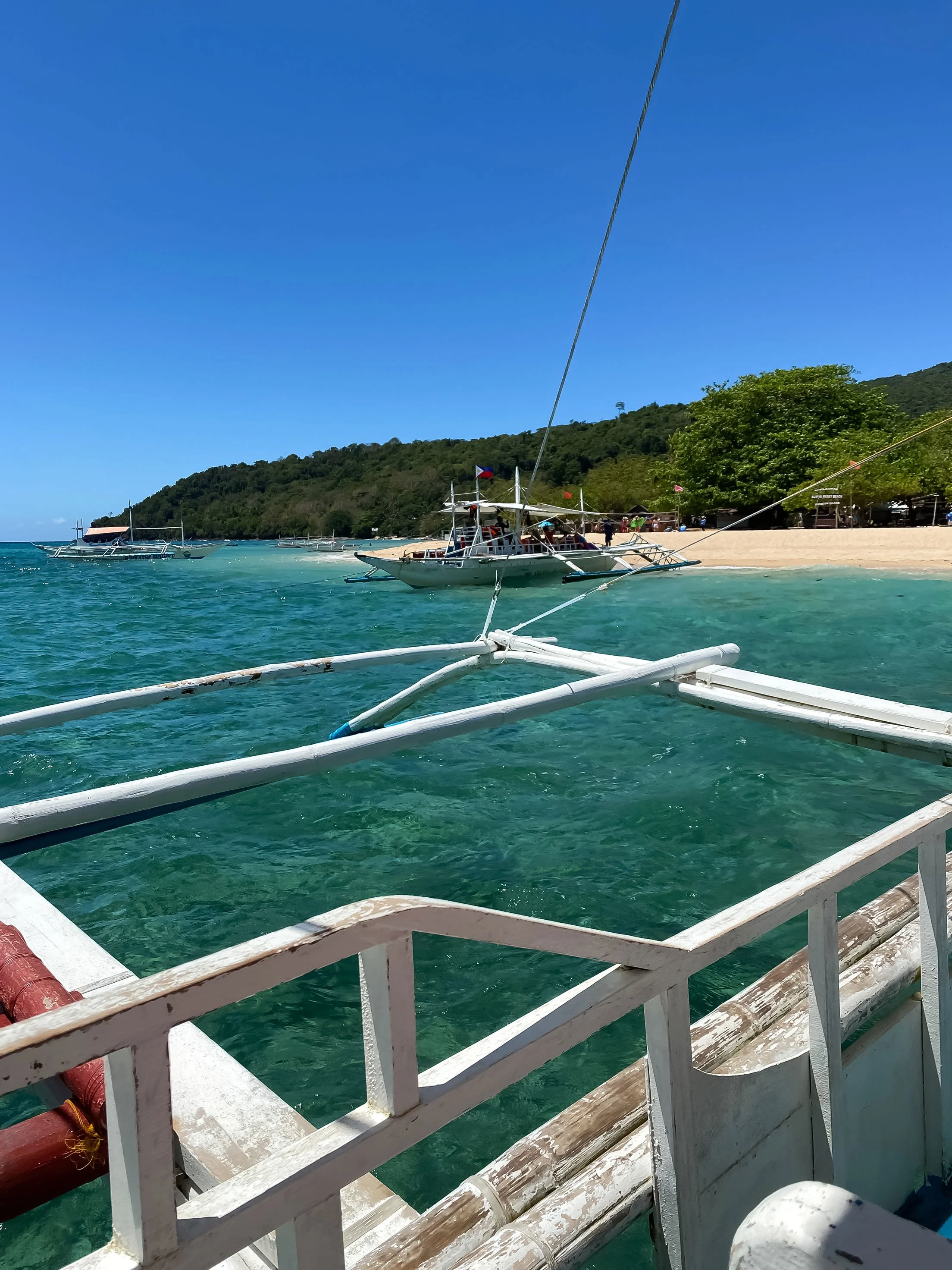
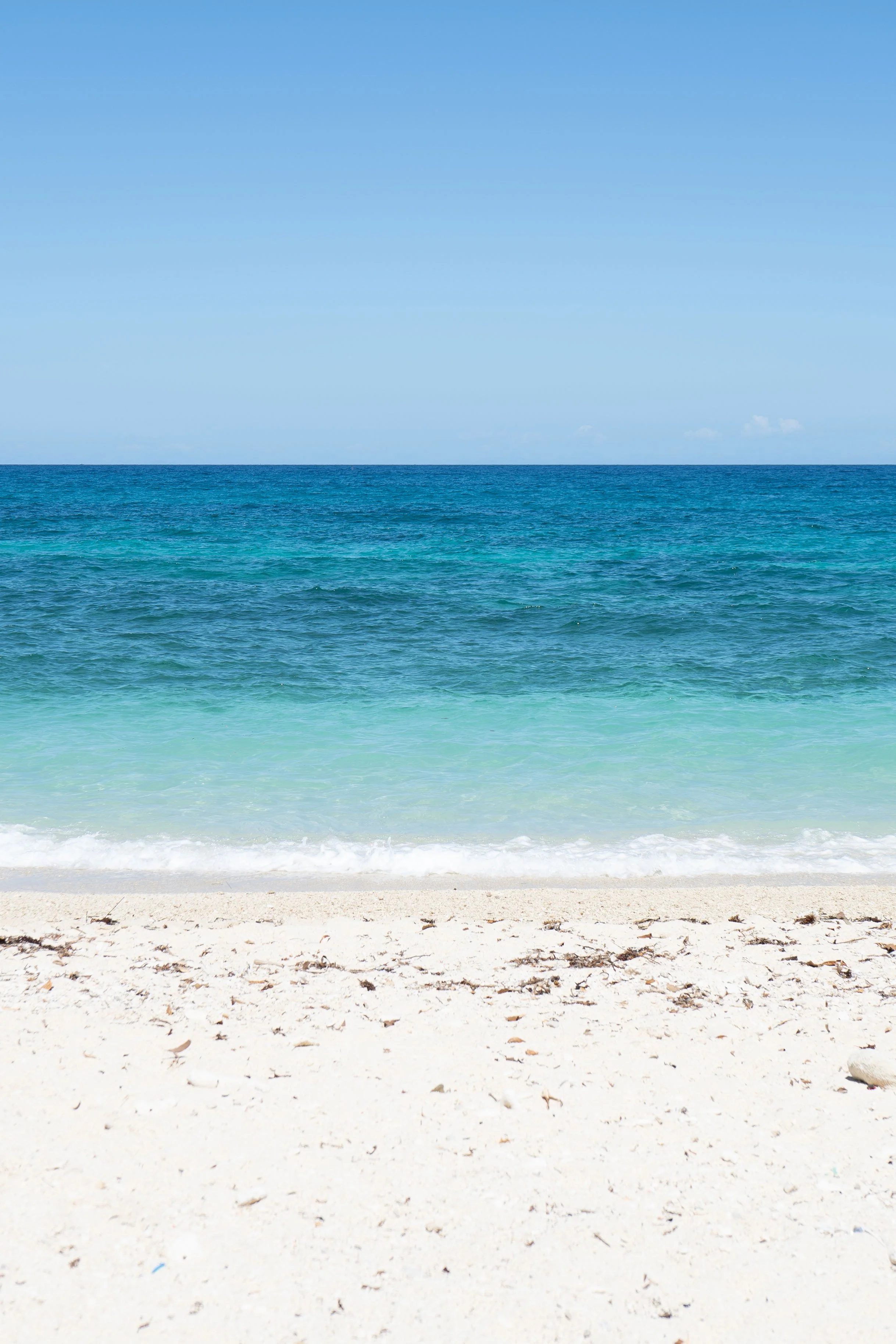
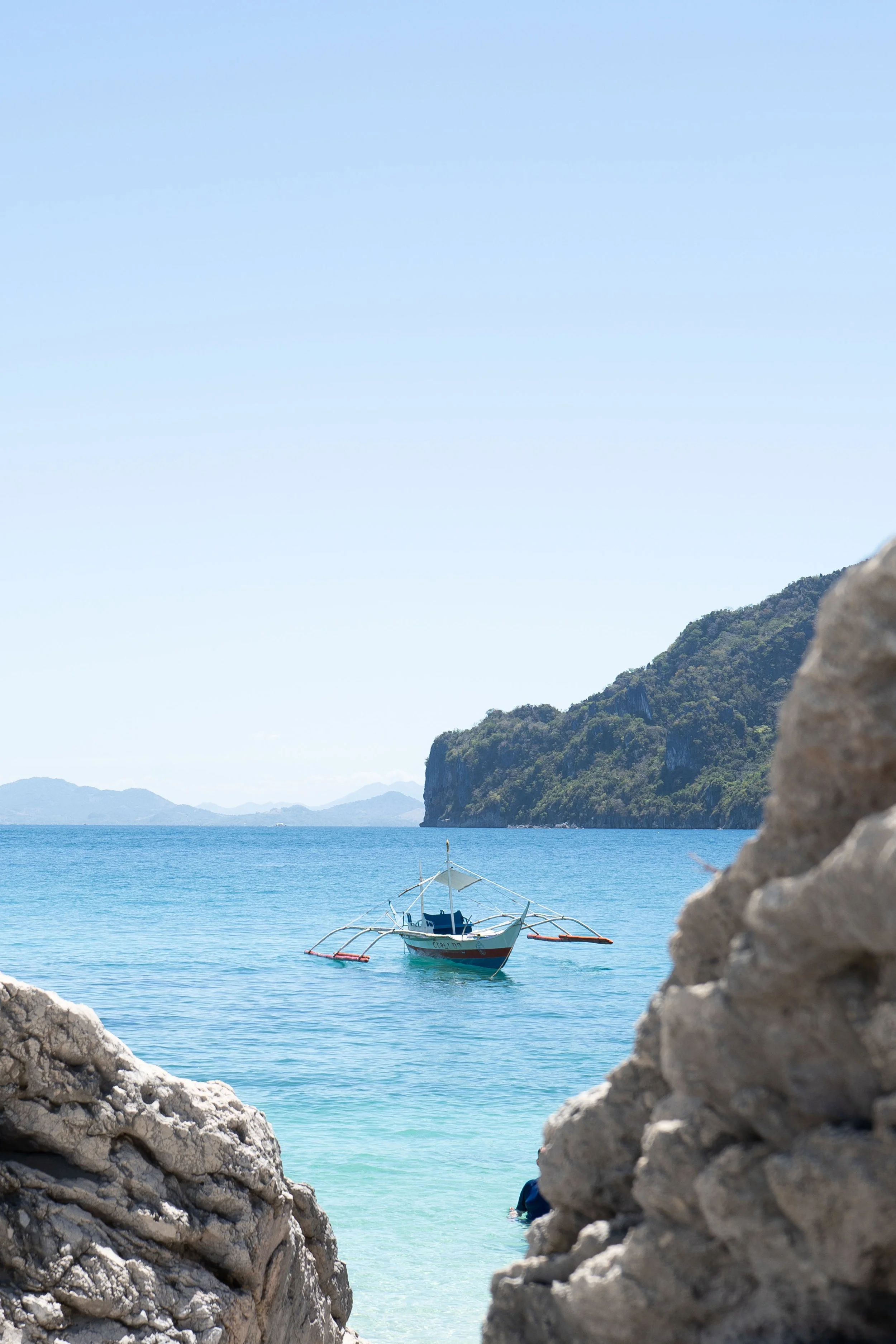
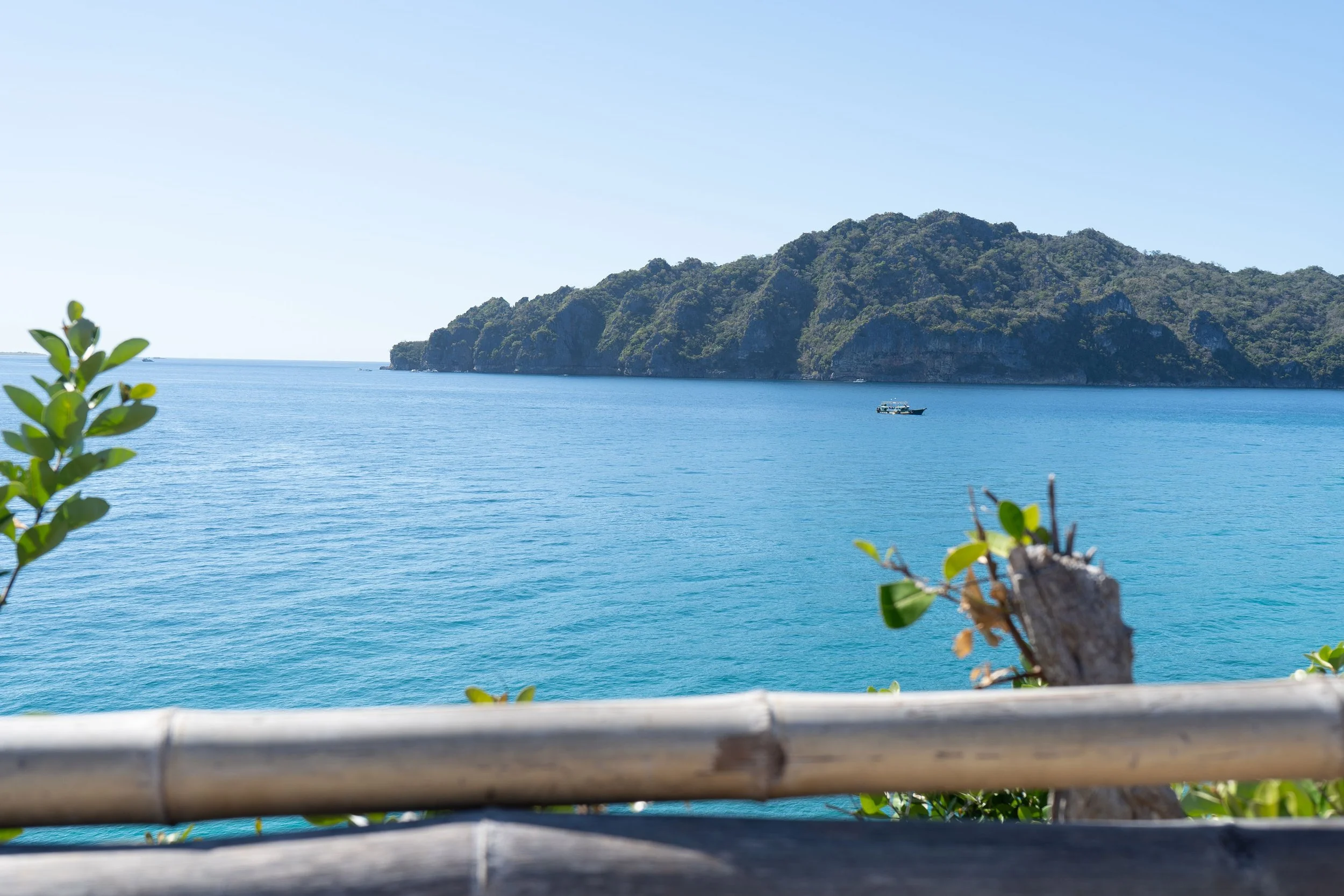
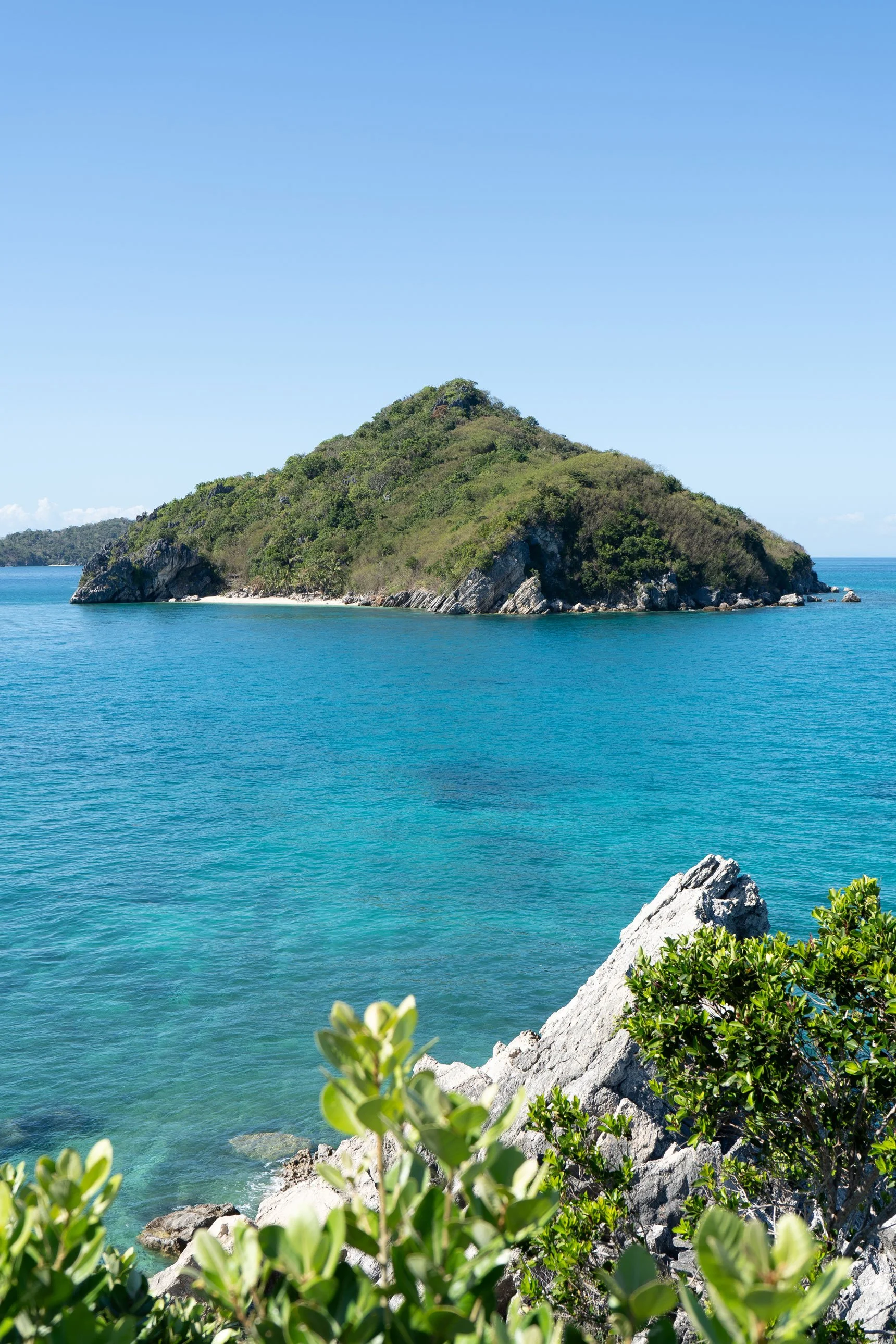
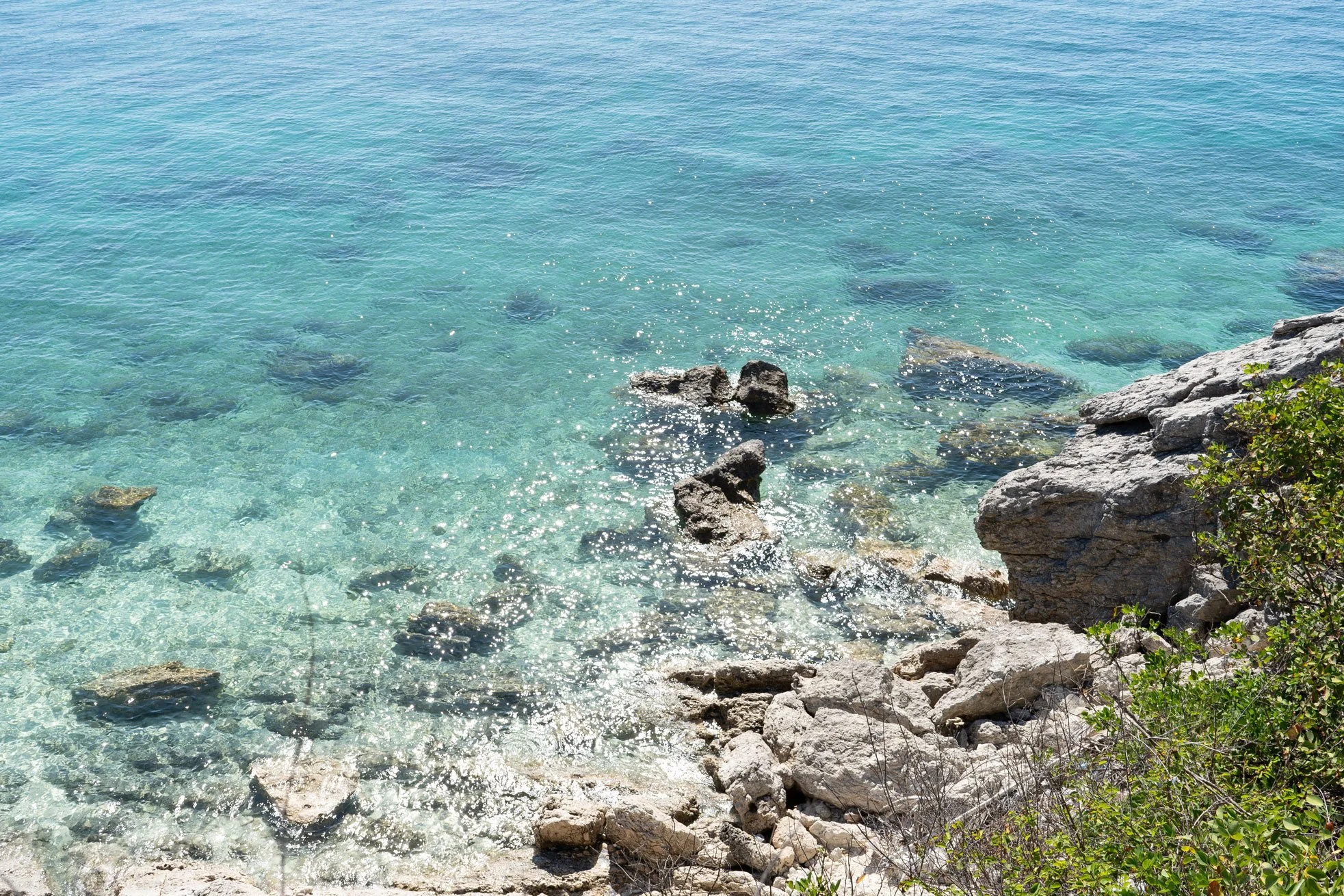
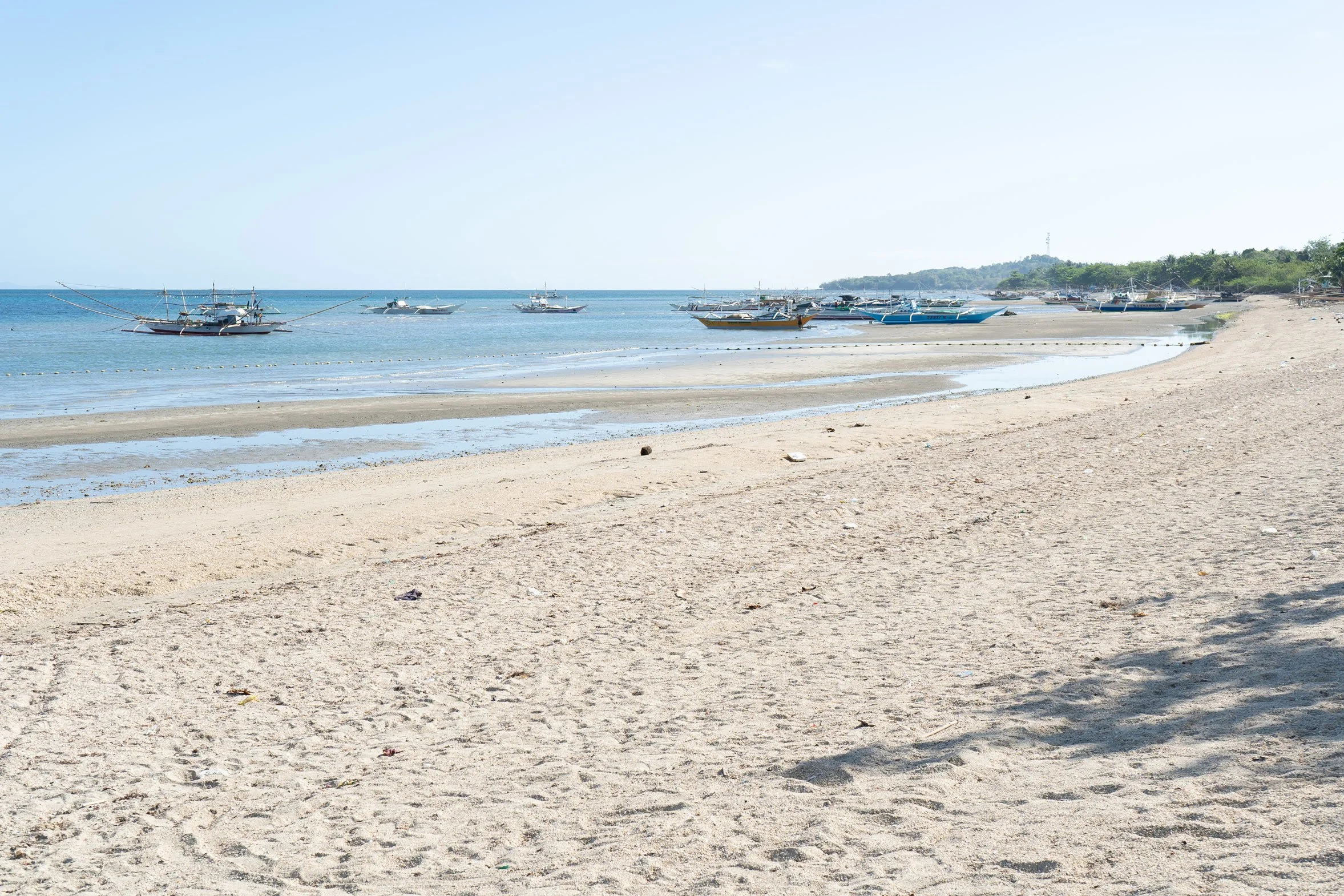
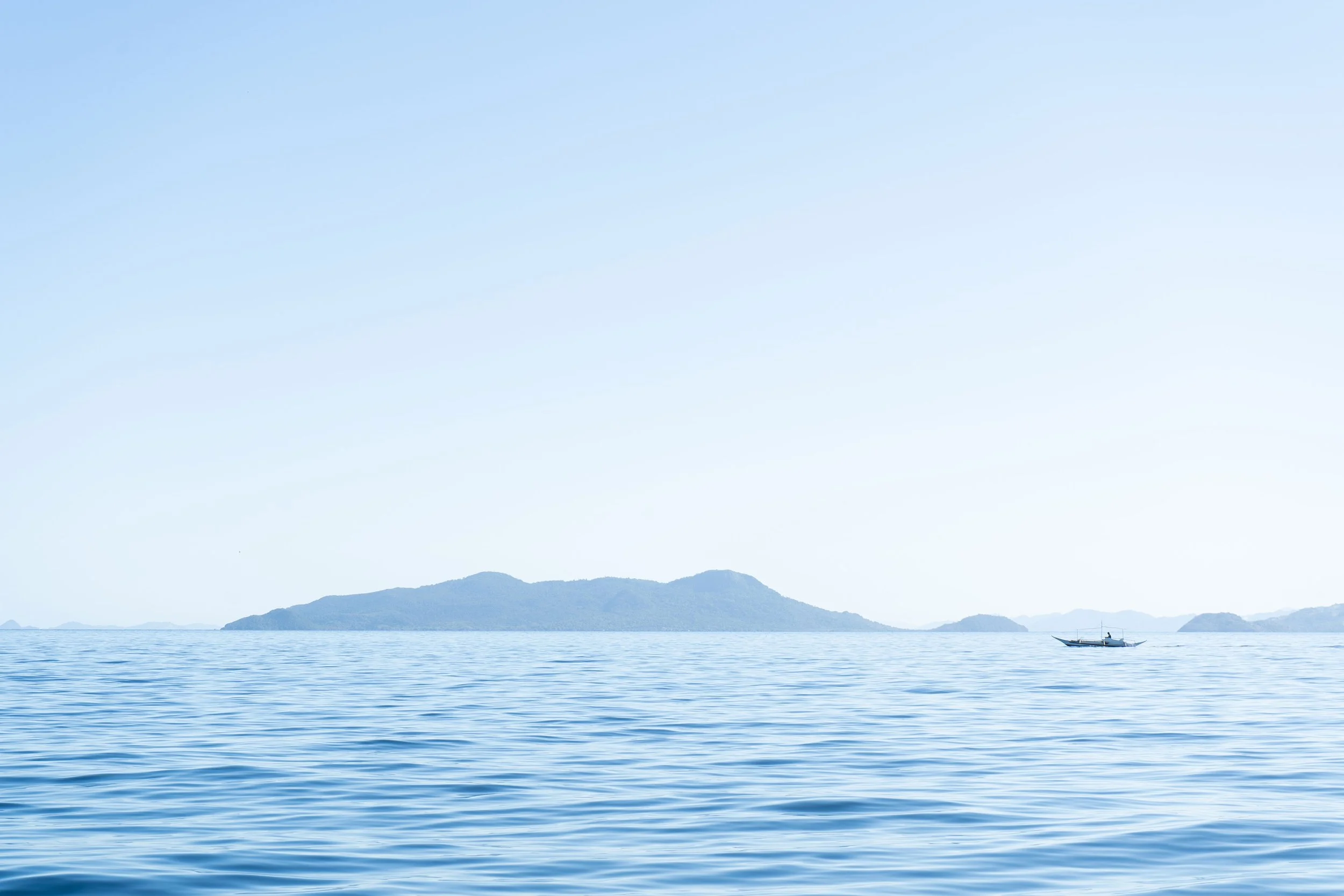
Isla Gigantes is located on the northeastern tip of Panay Island in Carles, a 3-hour drive from Iloilo City. From Bancal Port in Carles, you board a traditional Filipino outrigger boat (bangka) and ride for an hour to the first destination of your day tour. Isla Gigantes is split between Norte and Sur, and many tours take you to both parts. Norte is more developed and is home to the local fishing communities, where you can see more picturesque viewpoints and observe local life. Sur is more untouched and nature-focused, boasting a more secluded seaside atmosphere and adventurous vibe. But rest assured there is no shortage of raw, authentic beauty in either location of the Gigantes Islands. Here you’ll be surrounded by powdery white sand beaches and clean shallow waters in every shade of turquoise, minus the overwhelm of grand-scale commercial tourism like in other more popular destinations.
How to Get to Isla Gigantes: Step-by-Step Travel Guide
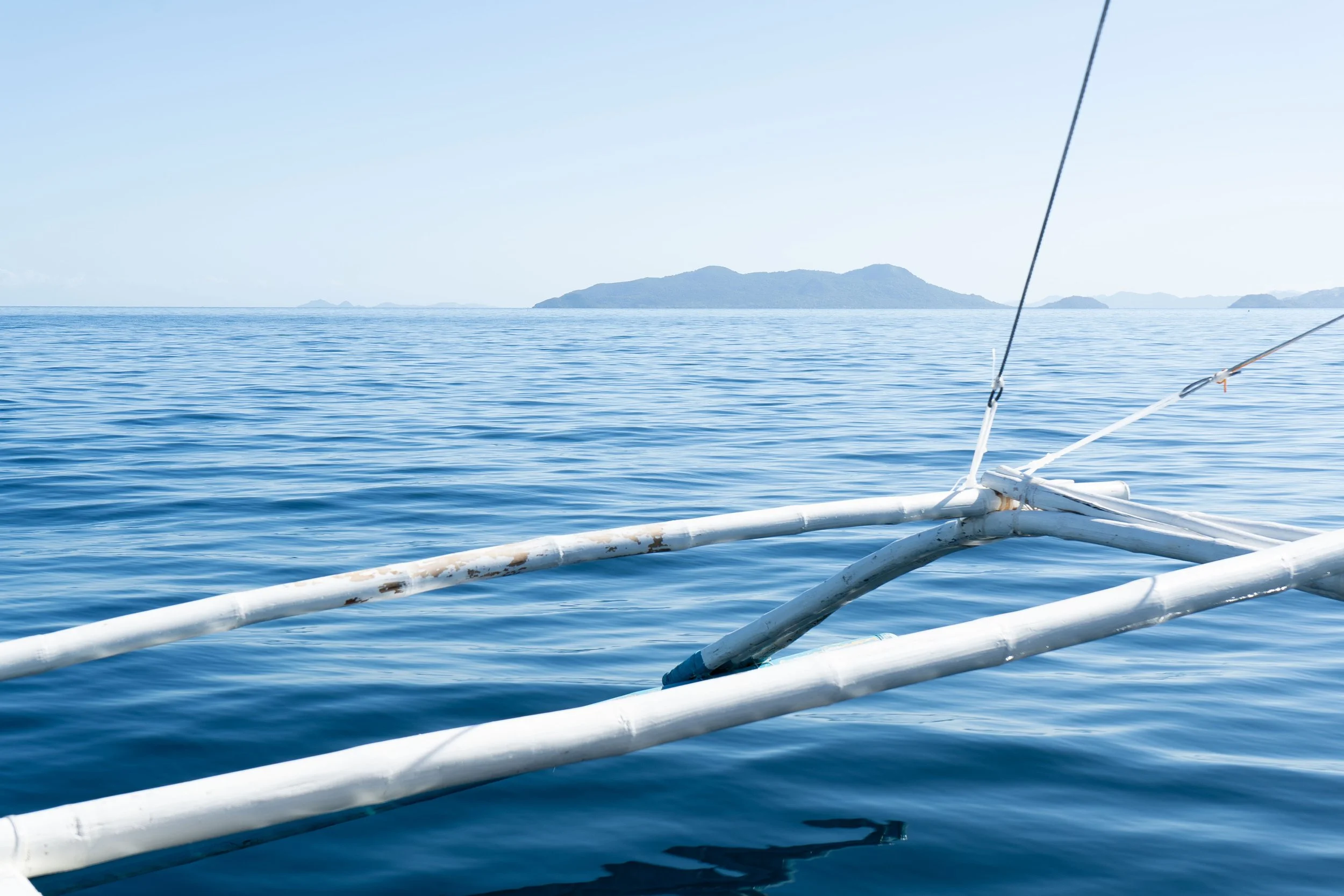
Our method of travel from Iloilo to Gigantes Islands was a pretty straightforward one since we drove. We left early in the morning to beat traffic and made it with plenty of time to spare before our tour began at 8:30am. However if you’re flying in from Manila/Cebu and plan to use public transportation, plan your travel day for the day before your tour. This way you don’t have to worry about possible delays and you can settle into your accommodation at a leisurely pace. The most efficient way to get there for the shortest land transfer is to first fly into Roxas Airport (~1hr). Then take a van (either a private for hire or public commuter one) or Ceres bus to Bancal Port (~2.5-3hr). From Carles to Gigantes is an hour-long boat ride. By the way, depending on the weather conditions of your scheduled tour day, take some anti-nausea medicine in advance in case you experience motion sickness easily. There were some pretty rough waves on the boat ride there due to wind and sailing against the current, despite it being summer season when the waters are usually calm. I unfortunately got seasick, but nonetheless decided to view it as a minor inconvenience on an otherwise fun filled day.
Best Time to Visit Isla Gigantes
The best time to visit Isla Gigantes is definitely between March and May, during dry season here in the Philippines. This summer weather is sunny and incredibly hot, making for the perfect time to swim in those shallow turquoise waters. The sea conditions are generally calm as well. Although I am partial to the magic of golden hour, I was pleasantly surprised to capture the vibrant colors of the landscapes in midday lighting.
Island Hopping in Isla
Gigantes: What to Expect
We joined a group tour with other travelers going island hopping. This Isla Gigantes tour itinerary covered so many breathtaking spots, allotting ample time to immerse ourselves in what each island had to offer. From basking in the sun to taking leisurely photo walks along the shores, our tour guides made sure we got to fully enjoy each place without feeling rushed. Most tours are actually all-inclusive, covering roundtrip boat rides for island hopping, environmental and terminal fees, entrance fees, local tour guides and a seafood lunch. Here’s a glimpse of each island we visited and what makes them so special.
Sicogon Island: A Laidback Local Vibe
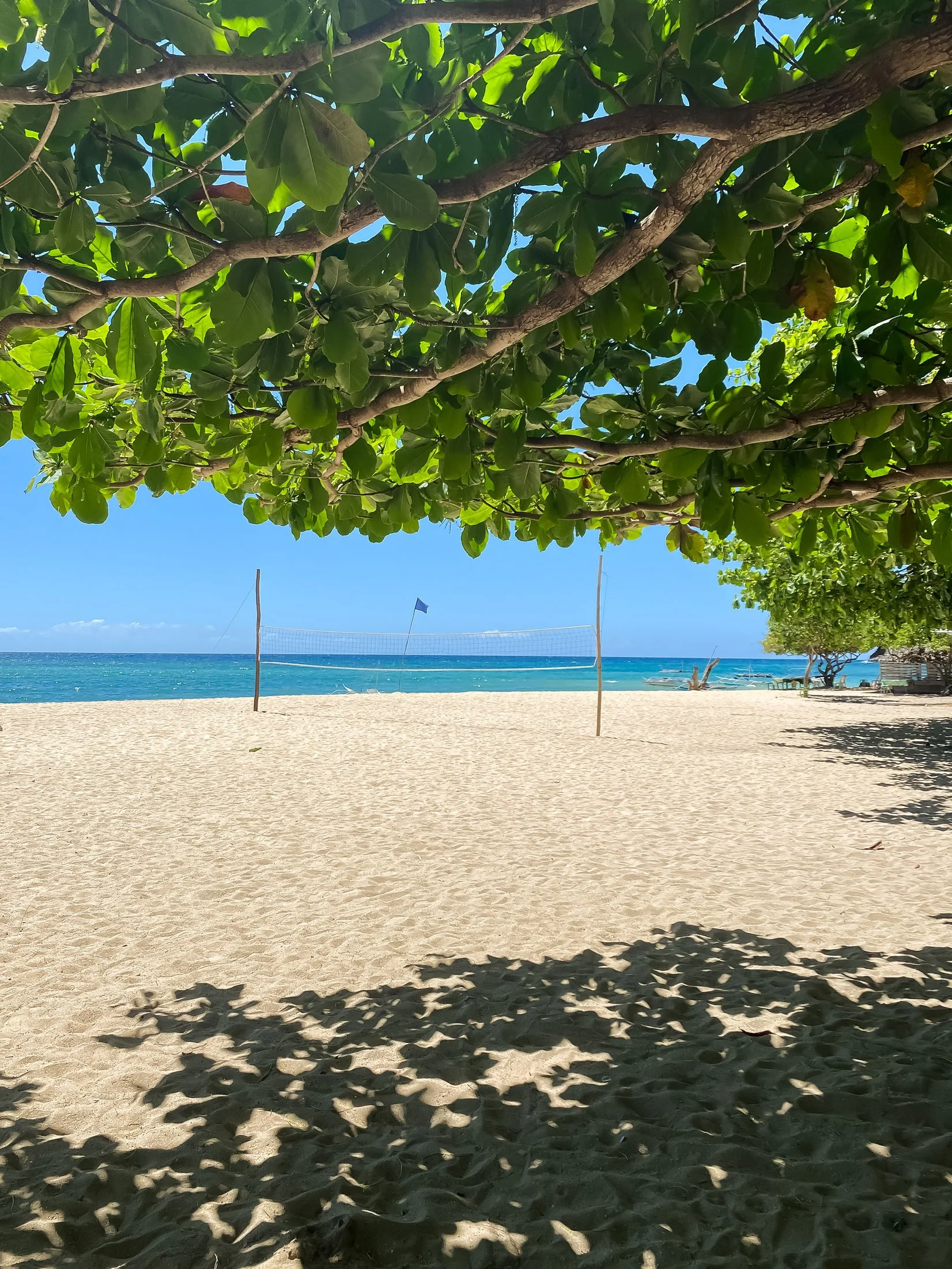
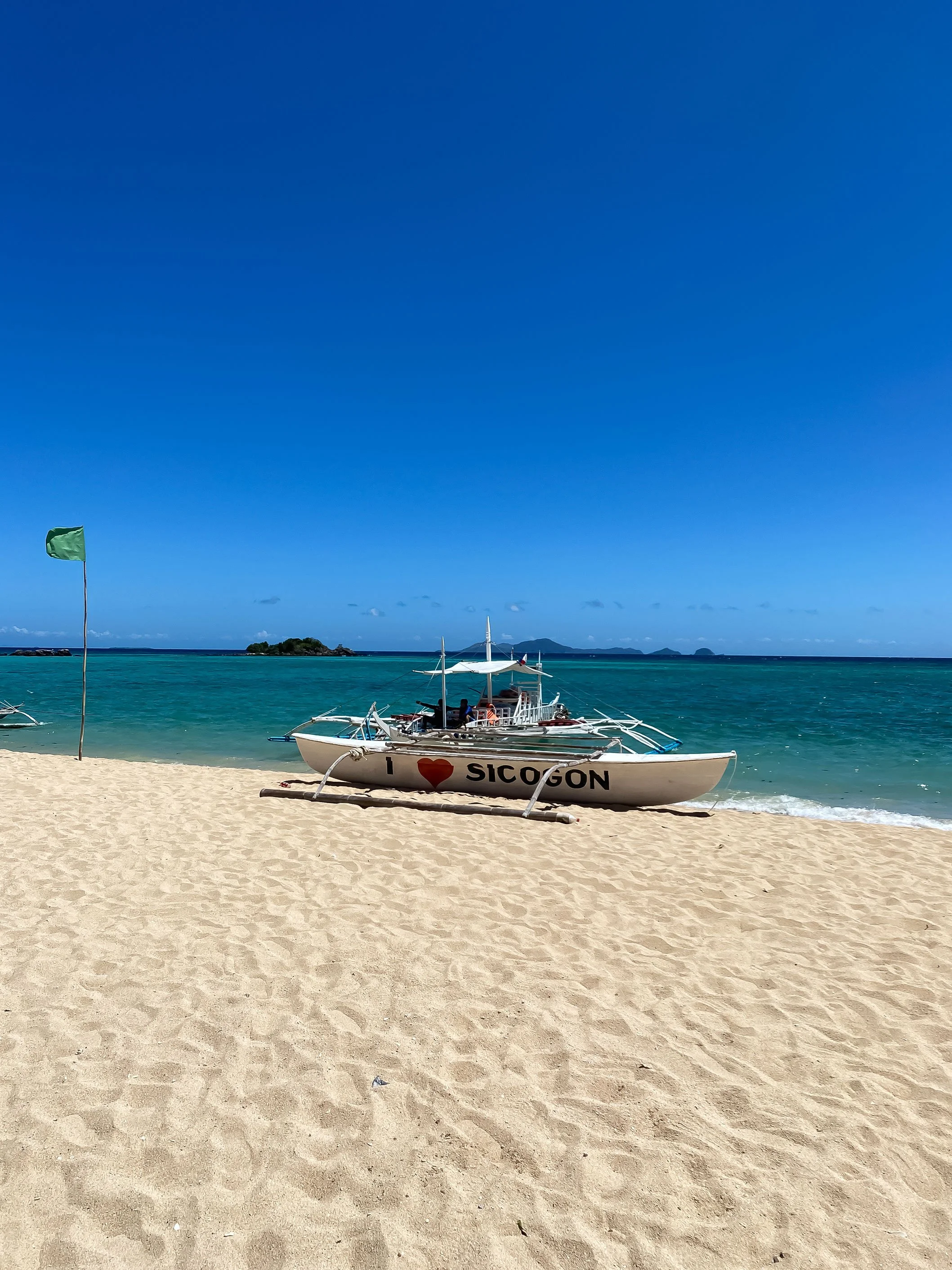
Sicogon gives off this soft, nostalgic atmosphere of what tropical islands were like before mass tourism. You can see white sand beaches, mountainous landscapes, fishing village life and coconut groves all on this one island. I’d say it’s the most underrated place on this itinerary because what attracts people here is not a plethora or luxury resorts or a booming night life geared towards tourists. This is for the traveler seeking peaceful beaches, quiet moments to reflect in nature and opportunities to genuinely connect with locals.
Tangke Lagoon: The Hidden Saltwater Pool
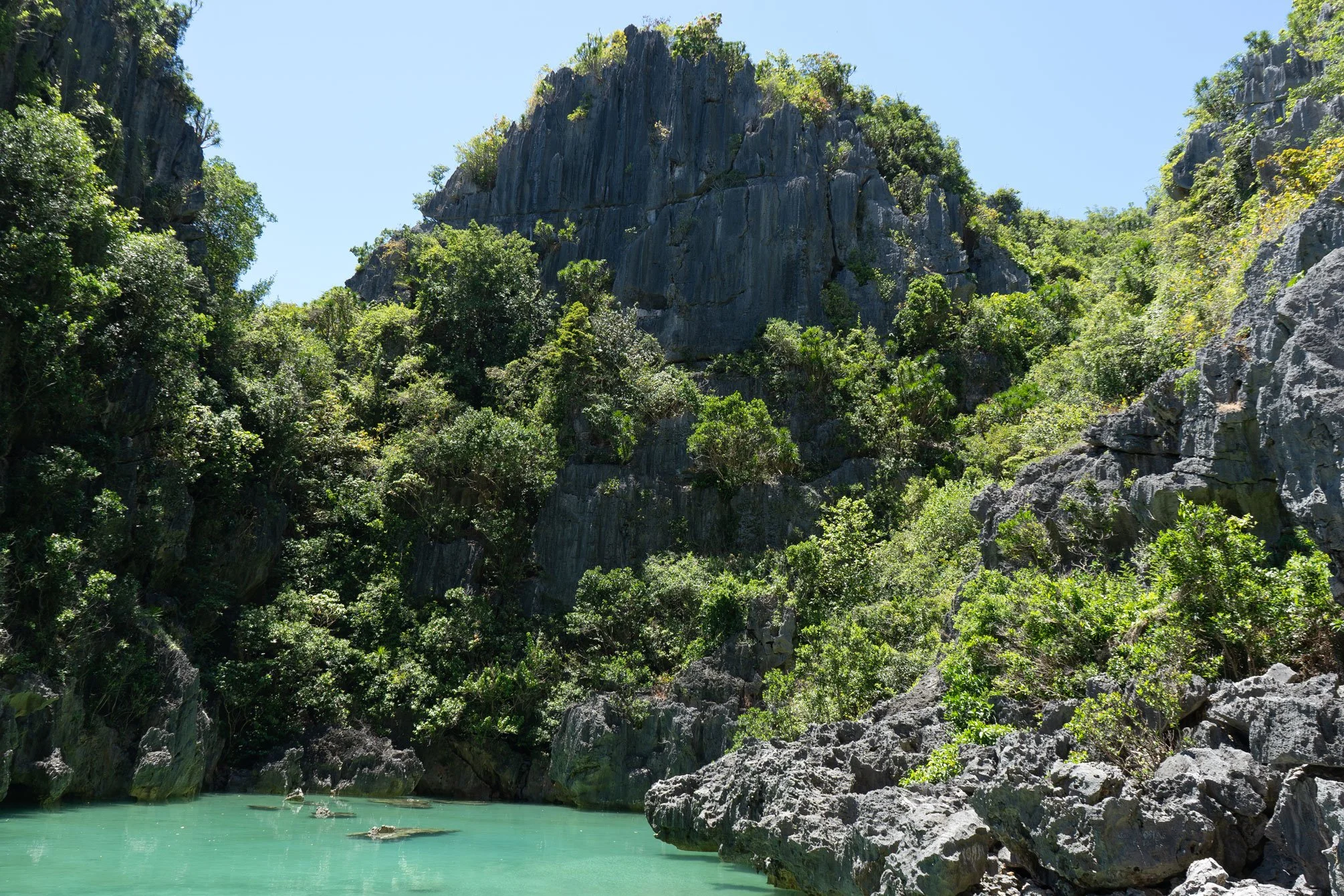
The boat ride to Tangke Lagoon takes you sailing beside tree-covered limestone cliffs and fills you with the anticipation that you’re about to behold something beautiful. The noise of the boat goes quiet as you approach the entrance of this hidden-away gem. A simple floating boardwalk that moves with the waves leads to a staircase going upwards. Then you’re greeted by this view of towering rock formations covered in greenery and a completely still lagoon colored emerald. It looks like a raw and untouched version of Palawan. Since the environment is pretty narrow with less space to move around, it’s the ideal opportunity to take photos from the elevated rocky areas and then go for a dip! The environment here possesses a stillness that briefly quiets the noise and pauses the movement from island to island.
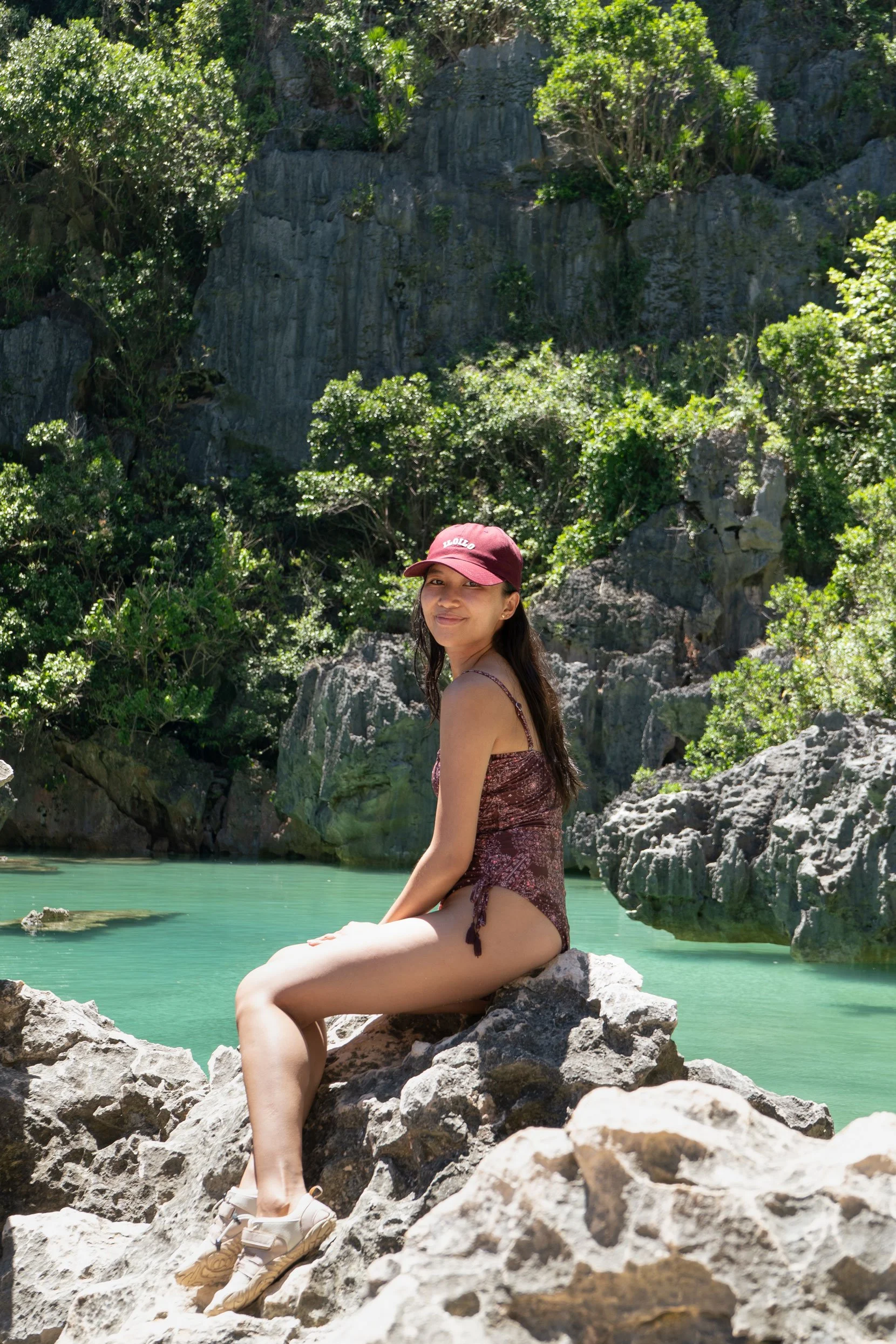
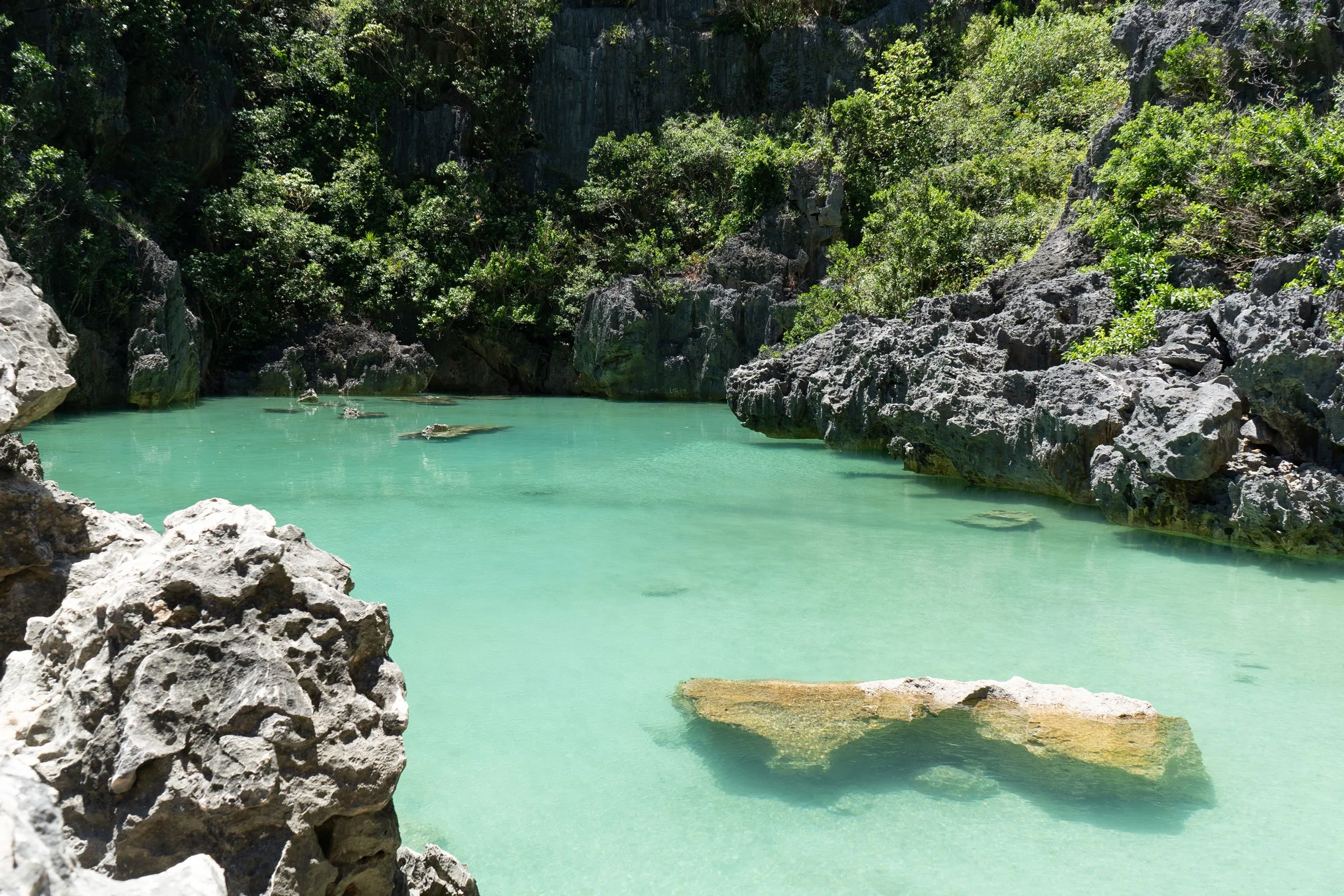
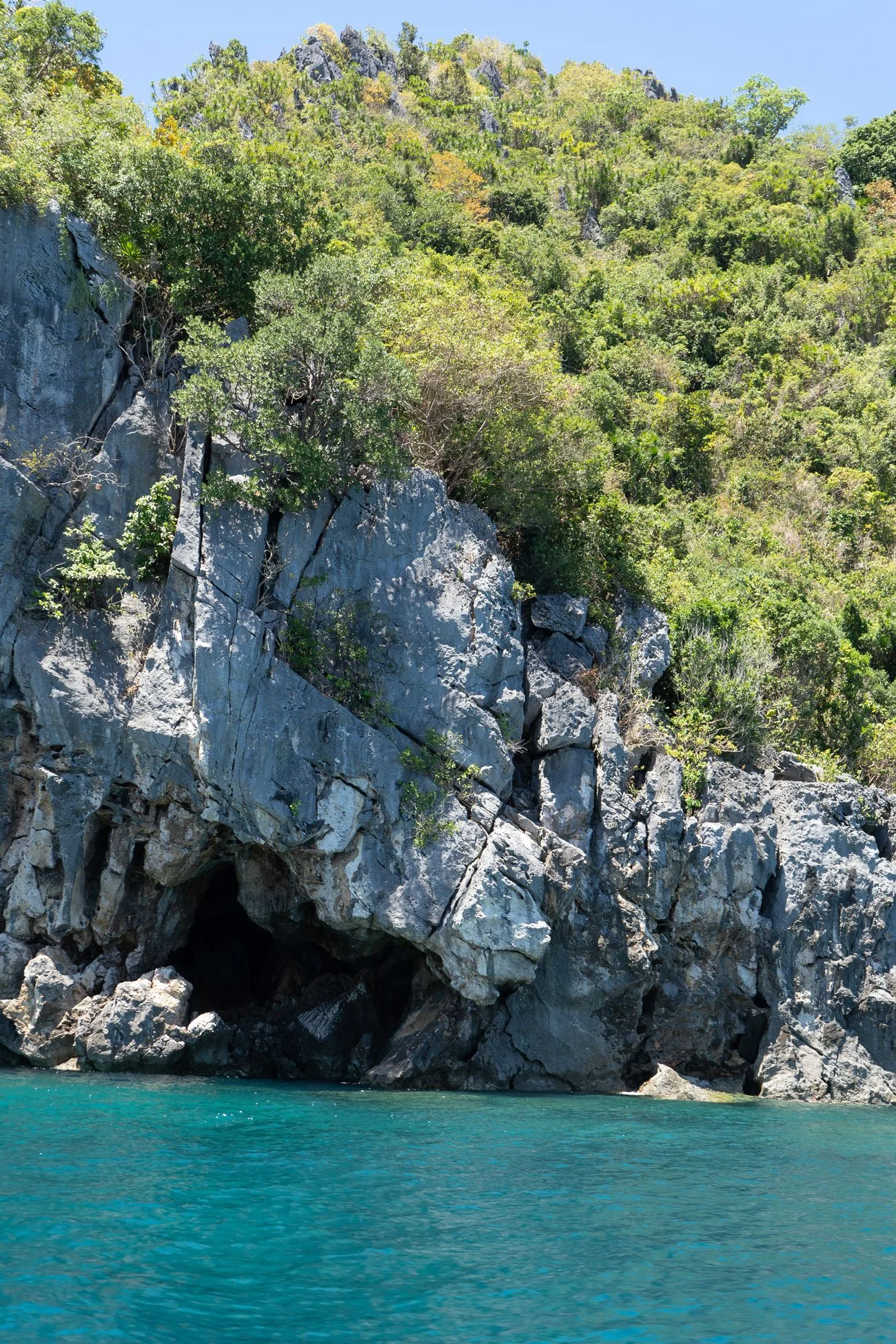
Antonia Beach: A Powdery White Sand Escape
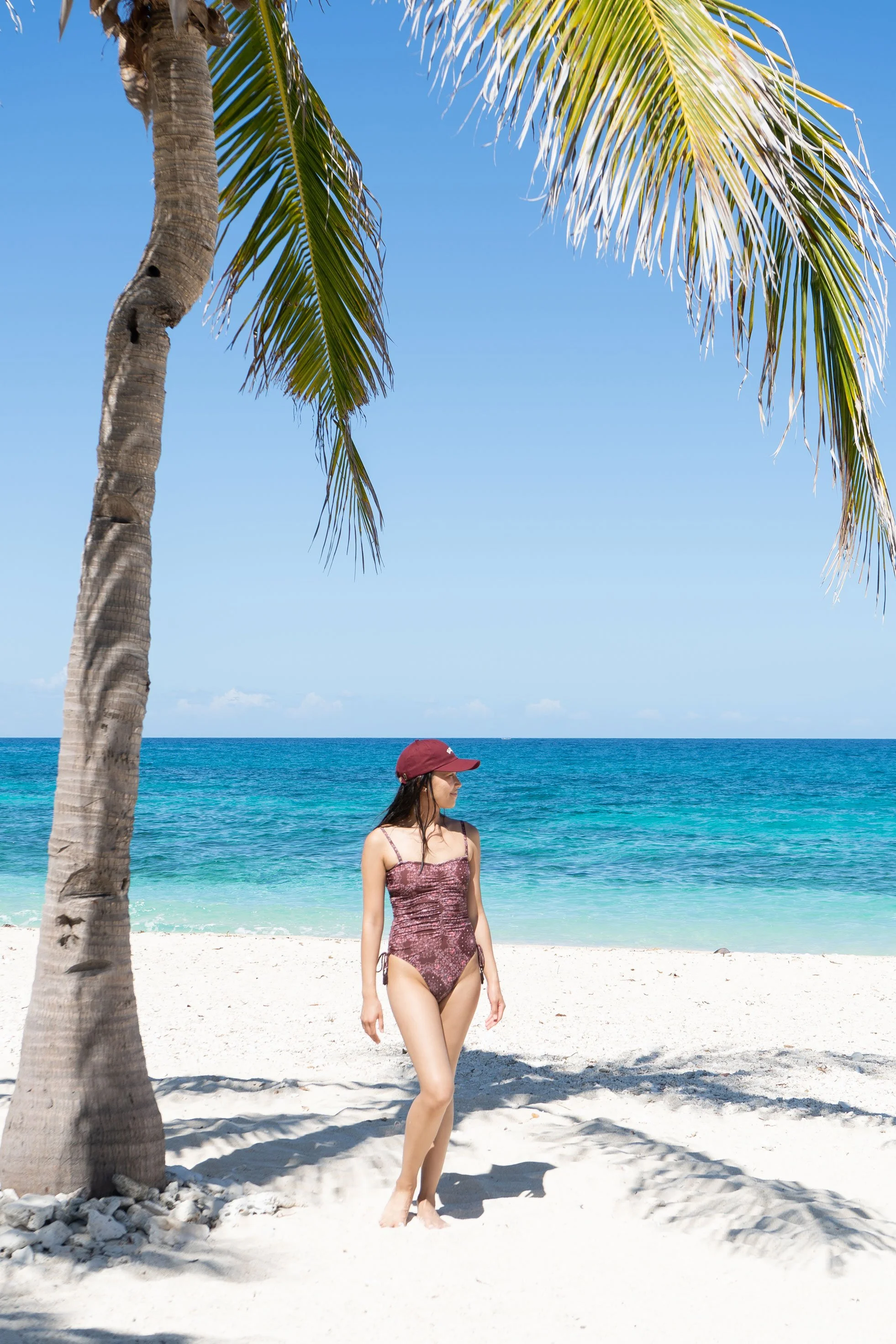
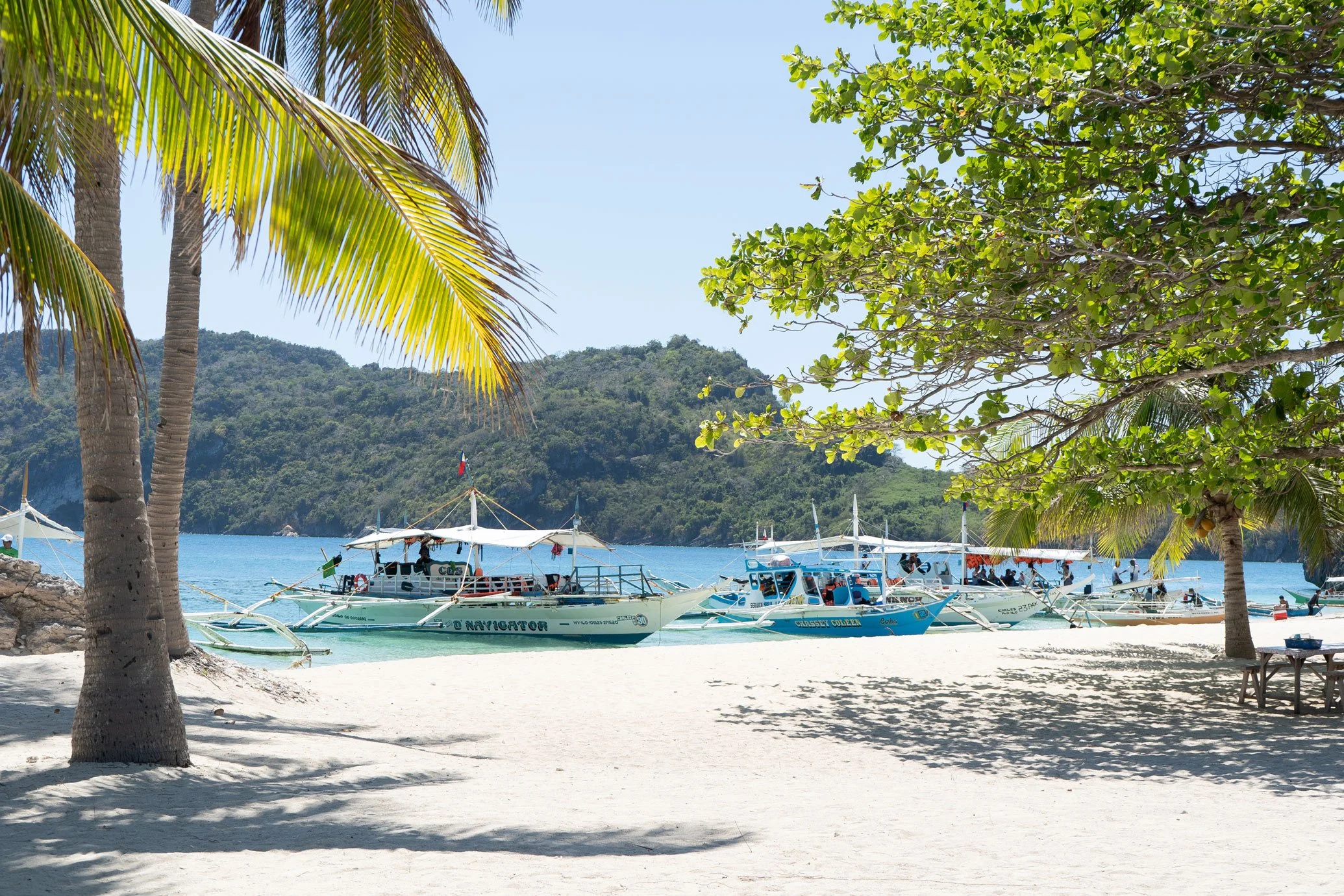
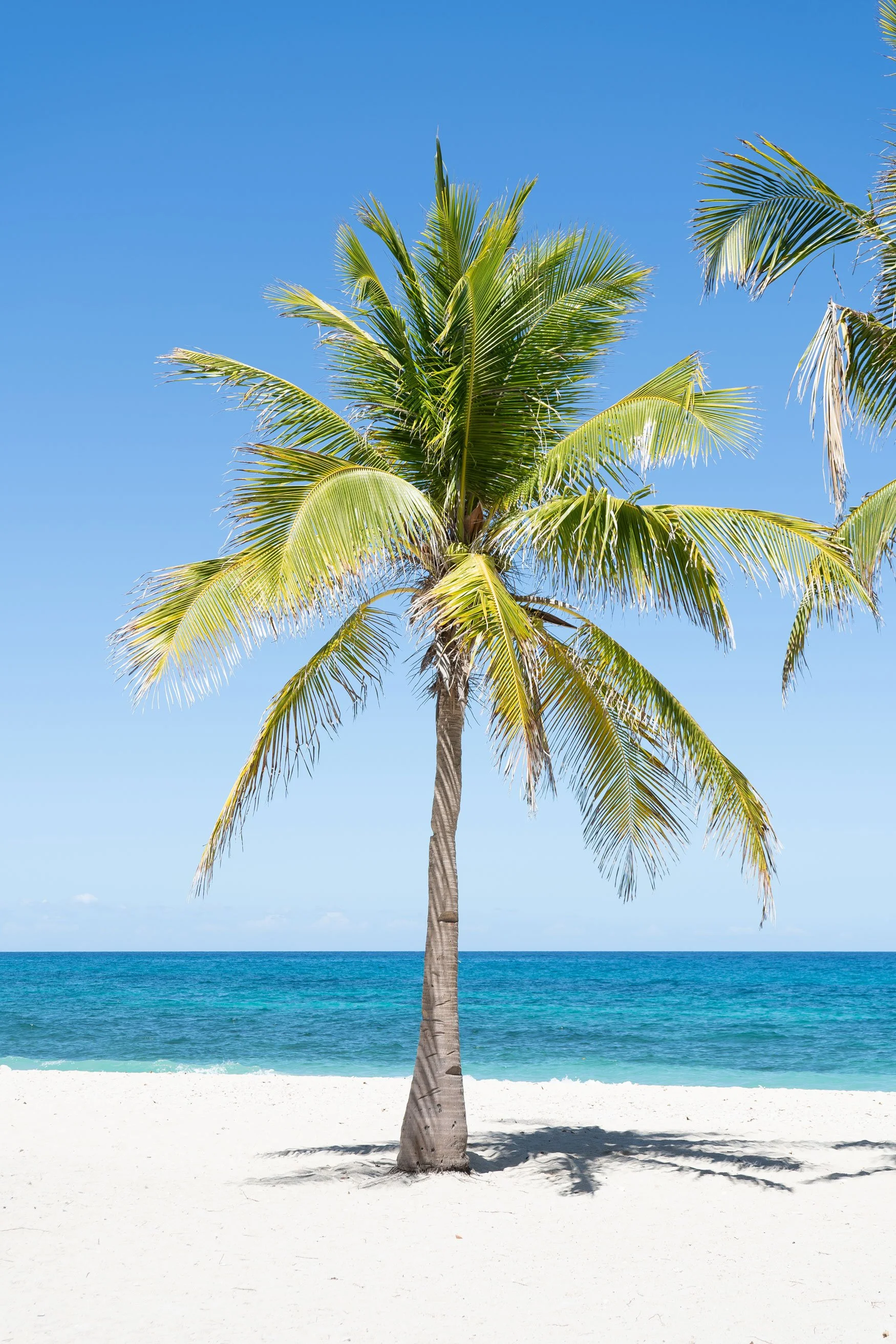
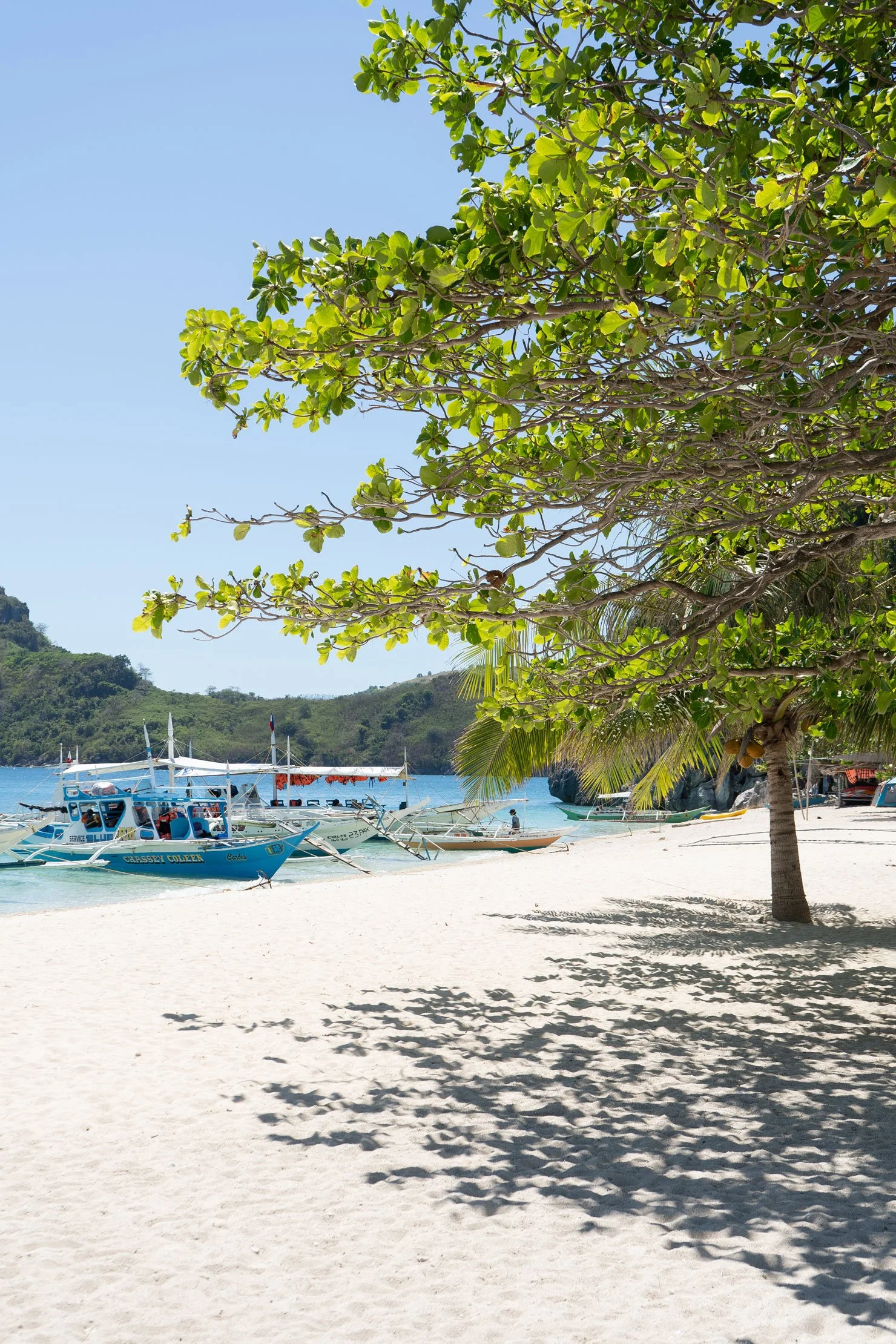
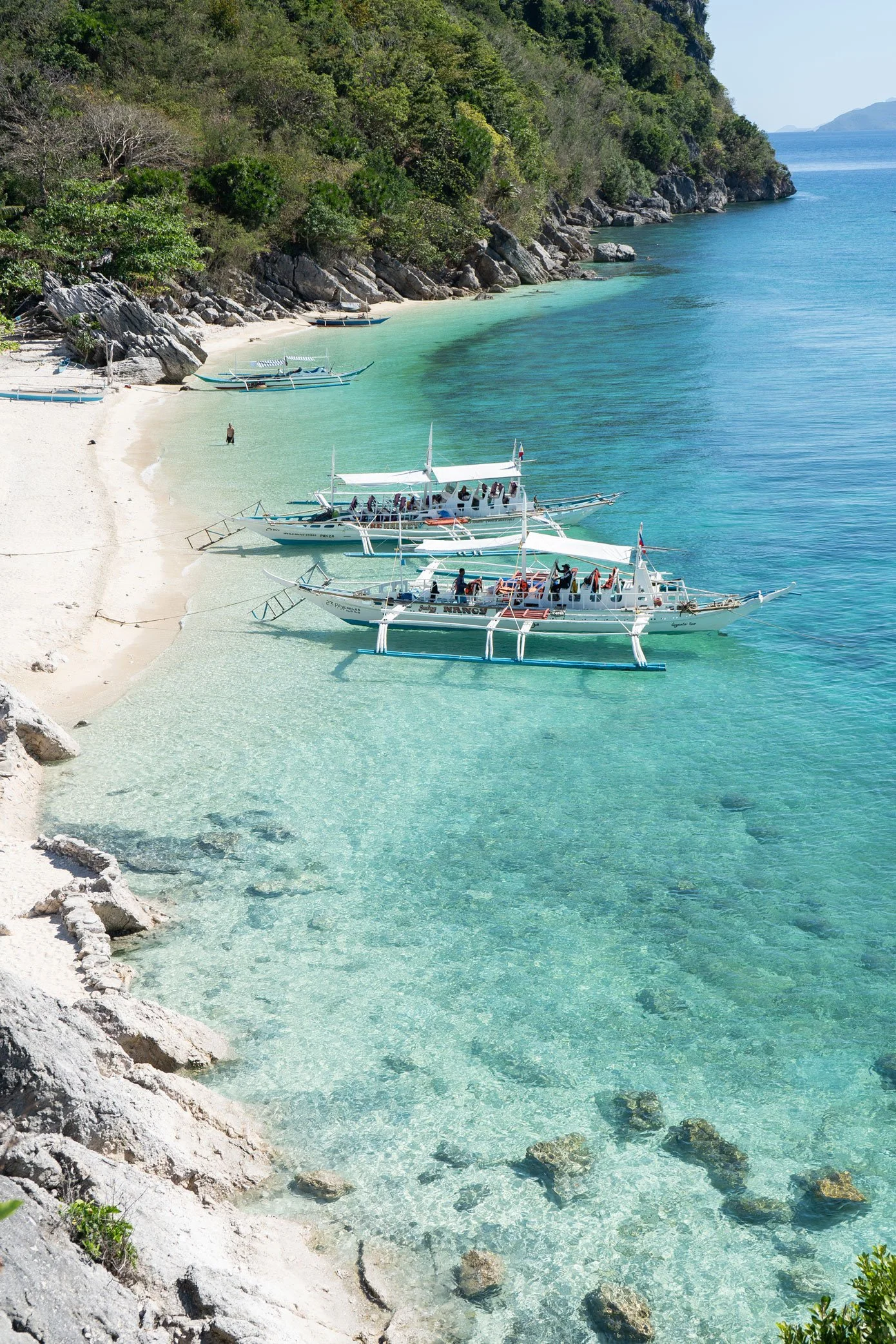
The sun-soaked and open-air scenery of Antonia Beach makes you feel welcomed the moment you step foot on the island. Here is where travelers linger longer, enjoying lunch and then resting under the shade of the palm trees. This island has powdery white sand beaches on either side, which was really fun to switch back and forth between swim spots! A contrast of different textures and colors created an idyllic environment for photographing portraits and travel storytelling details.
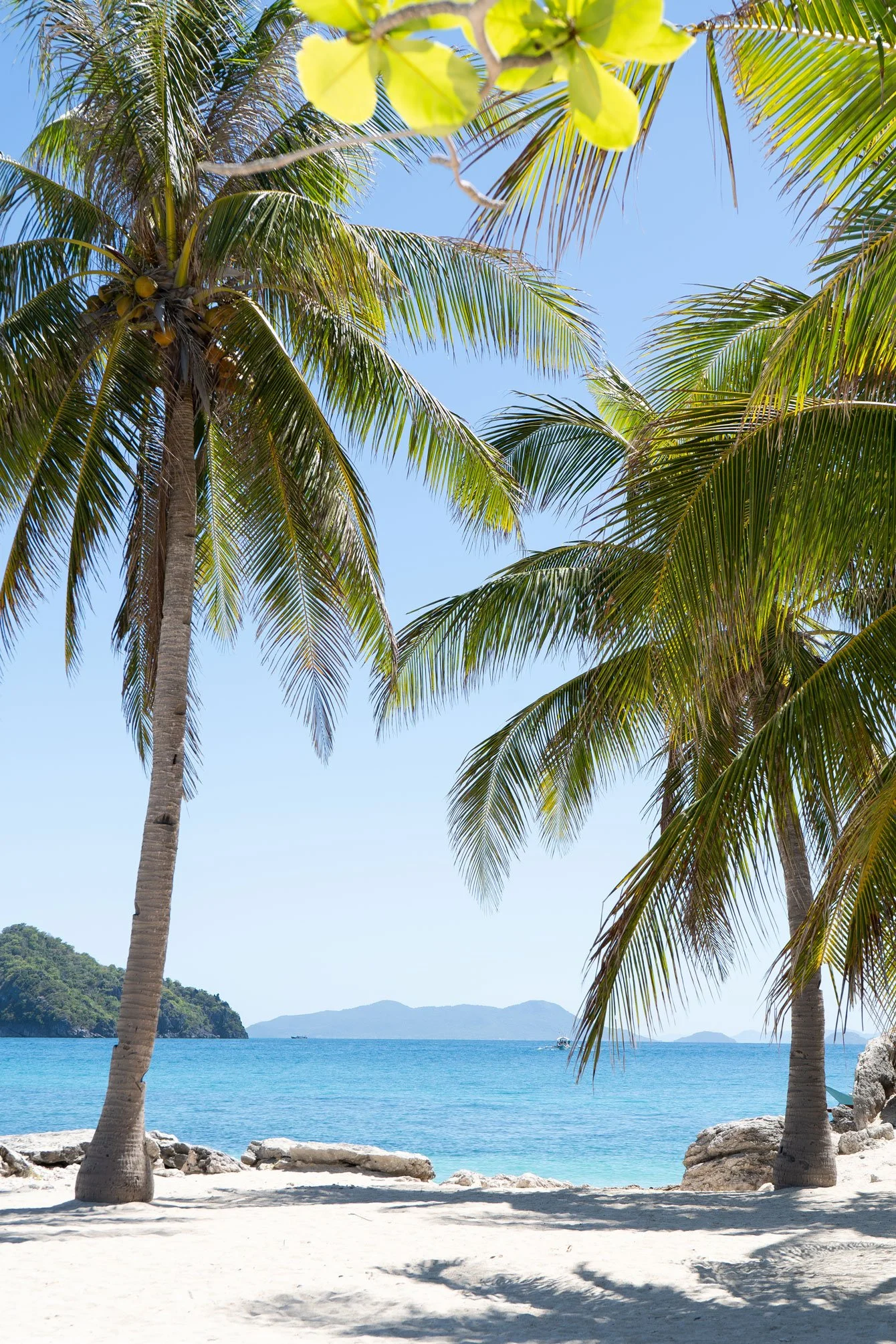
Cabugao Gamay Island: The Iconic Viewpoint
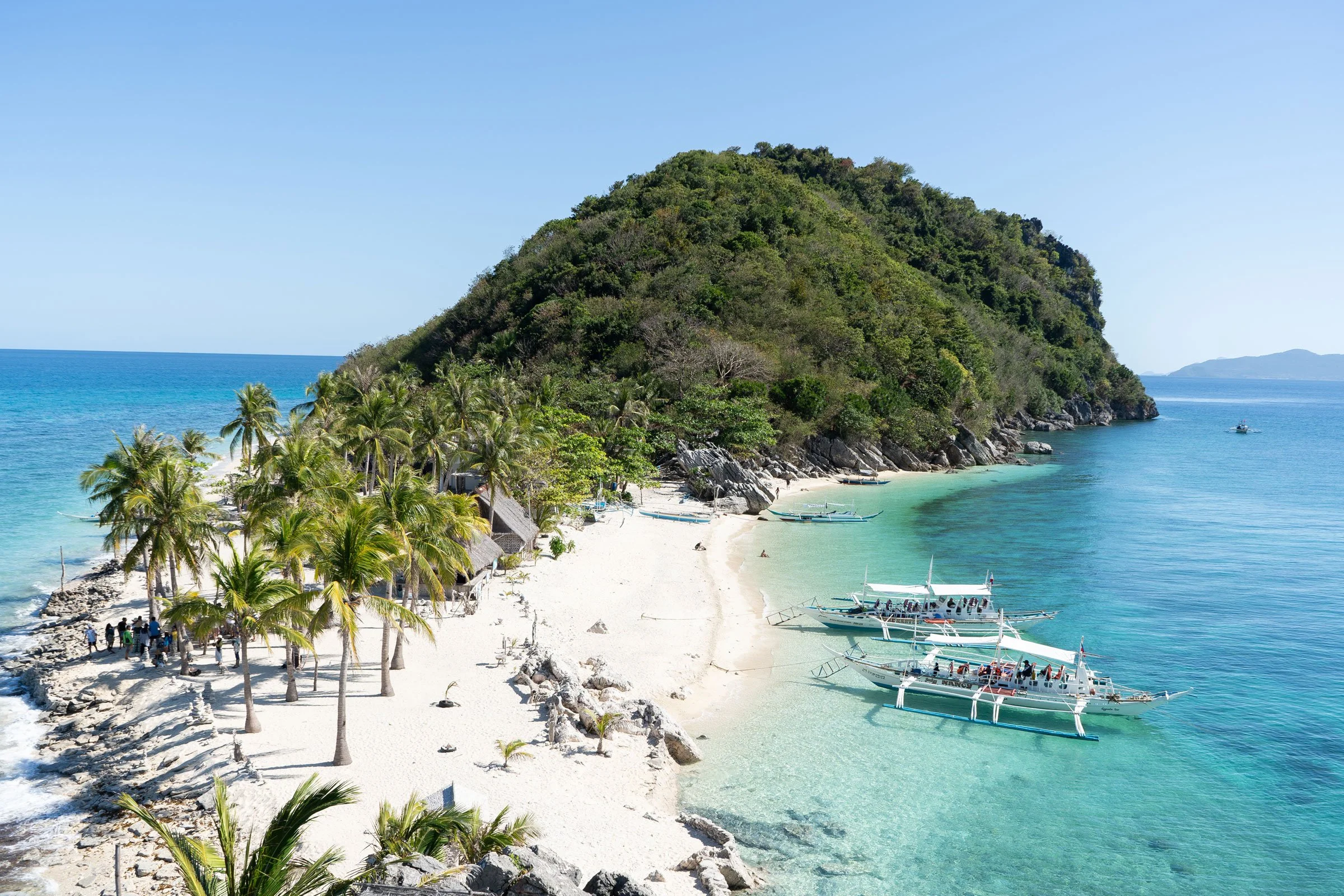
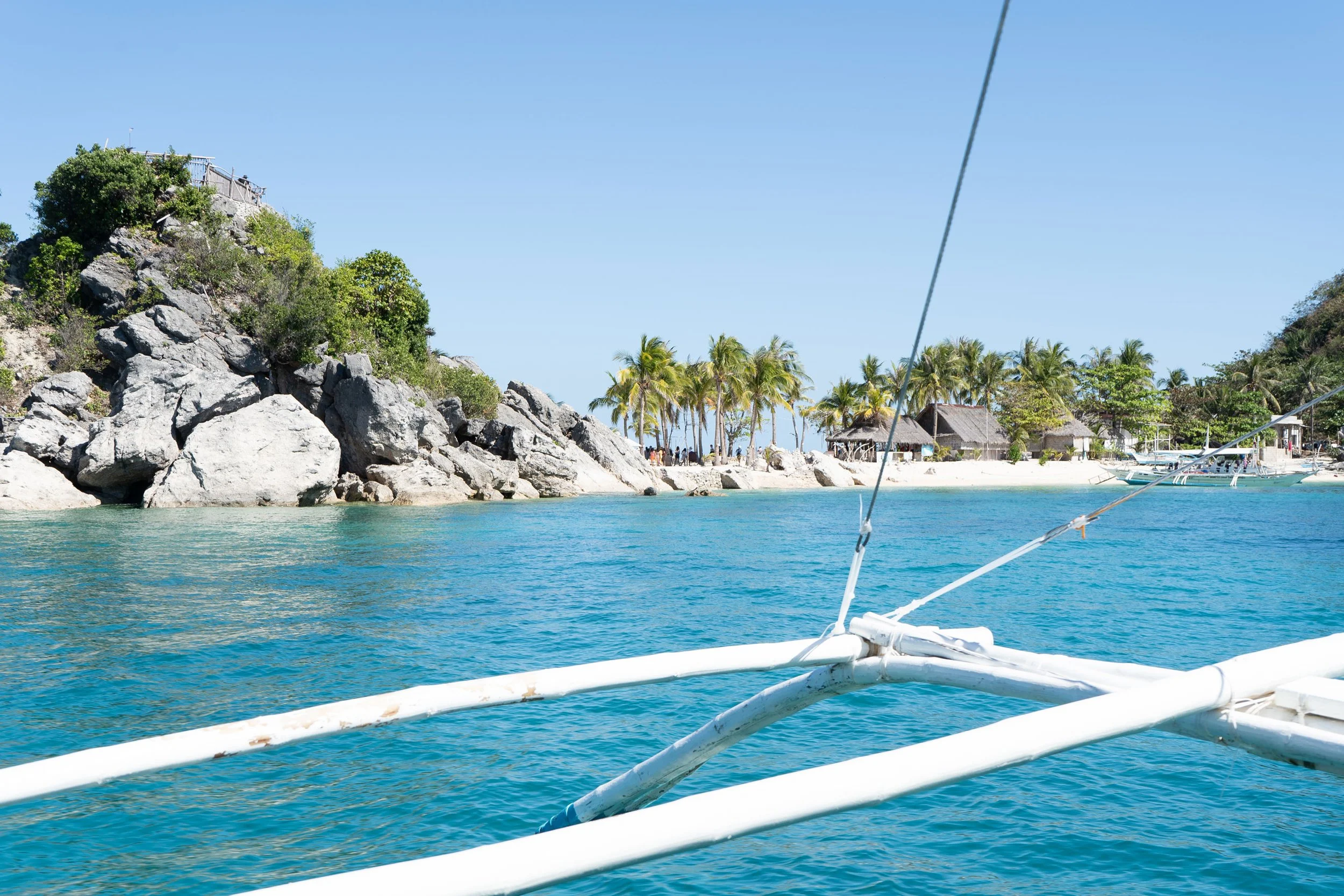
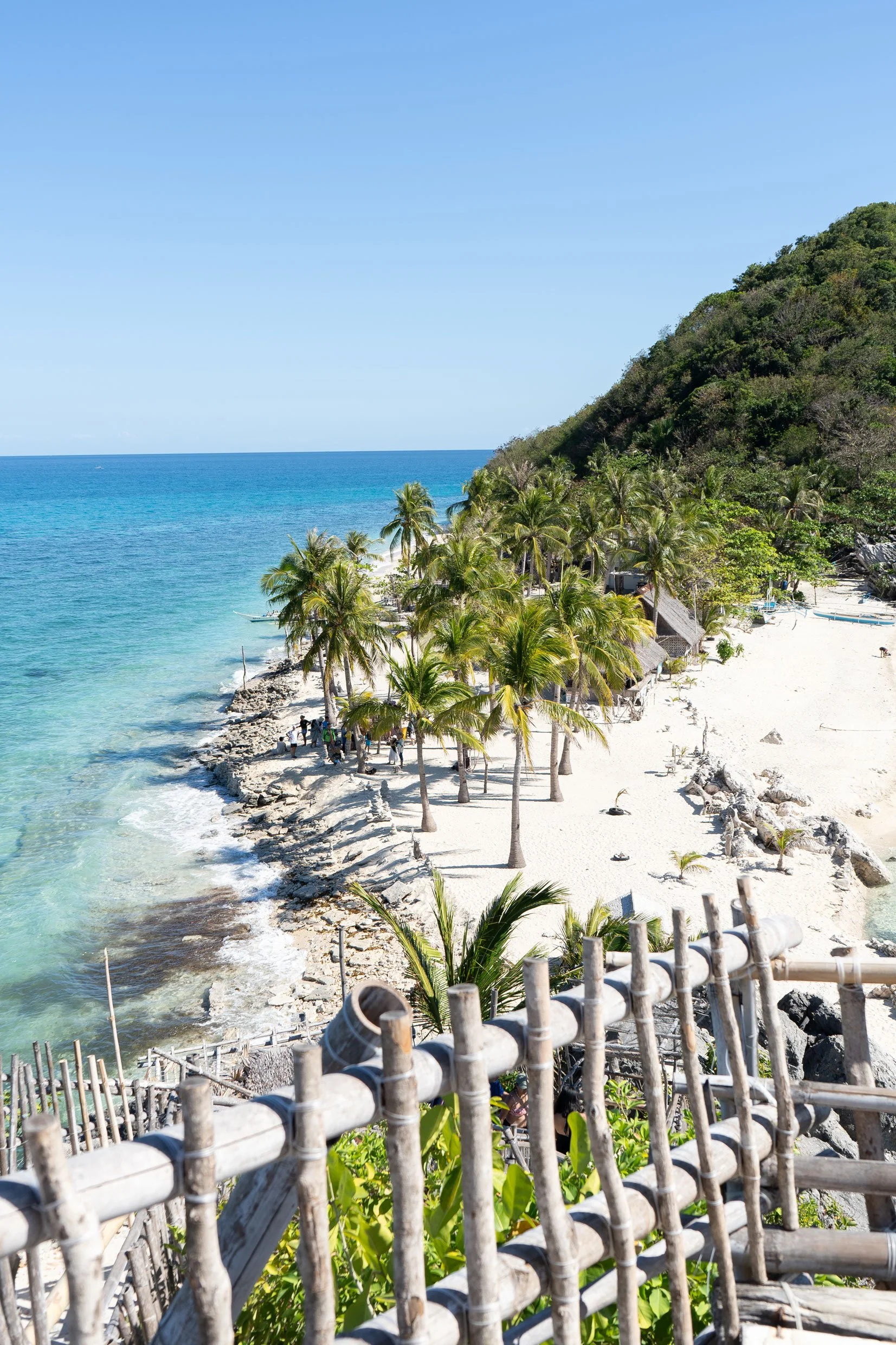
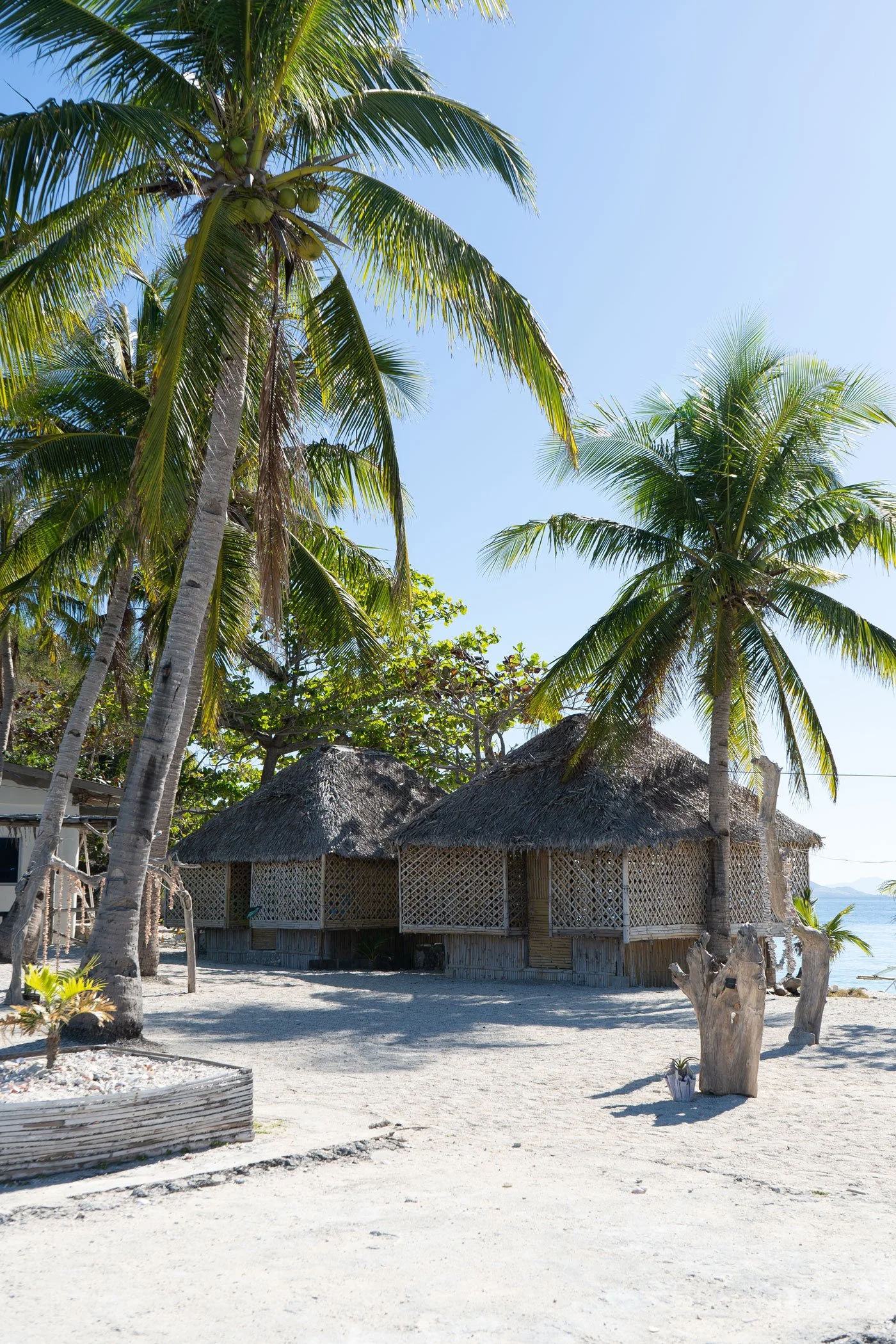
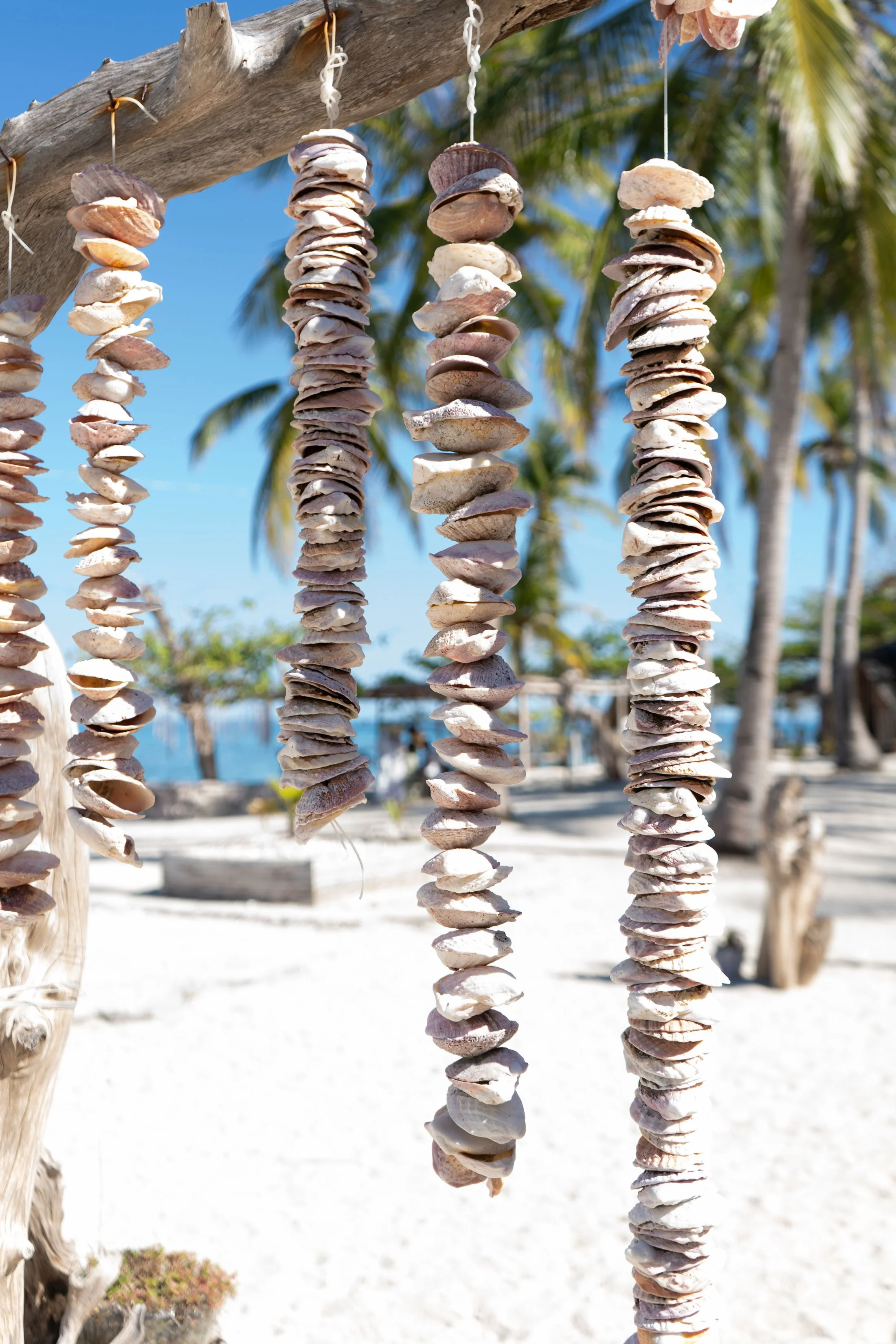
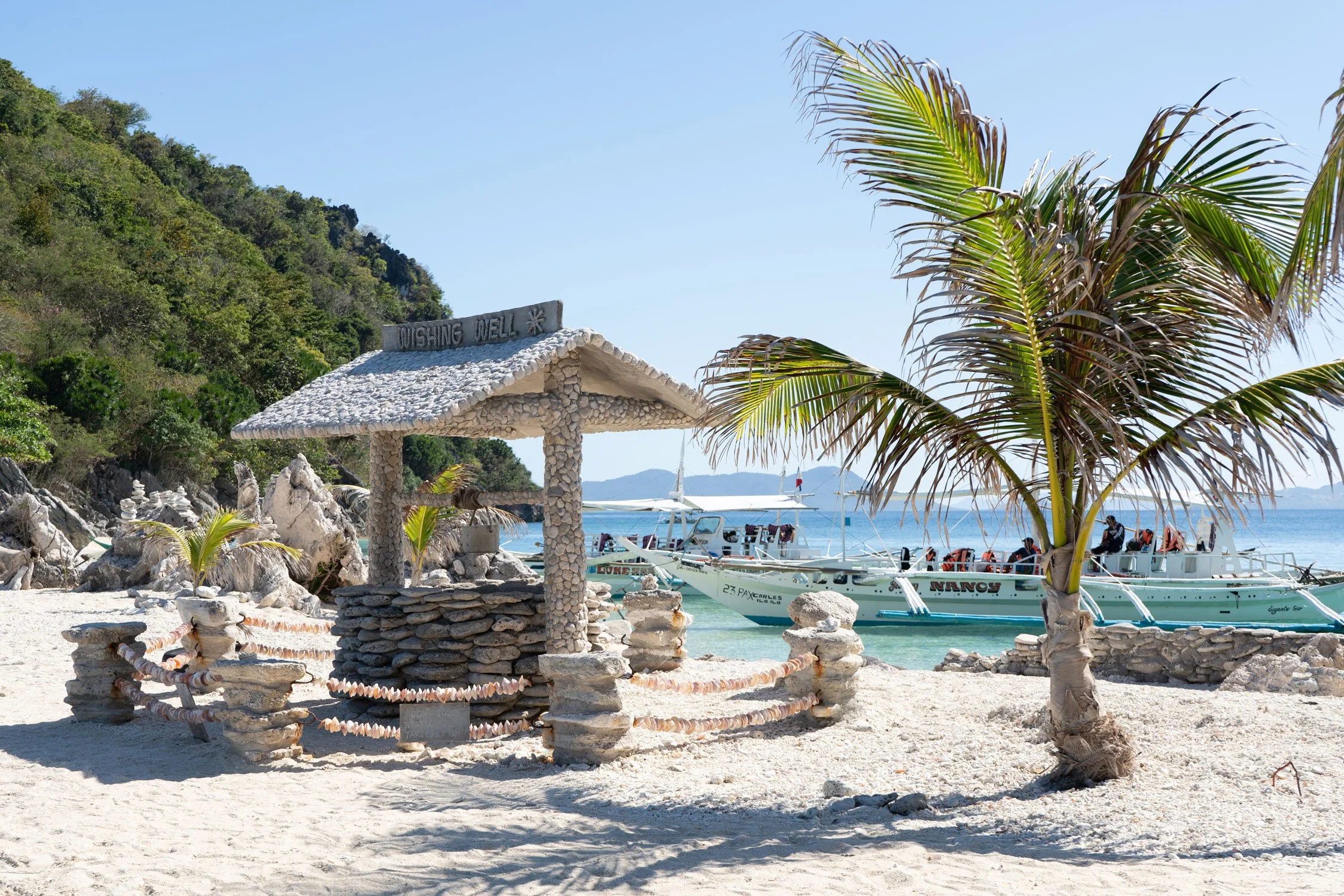
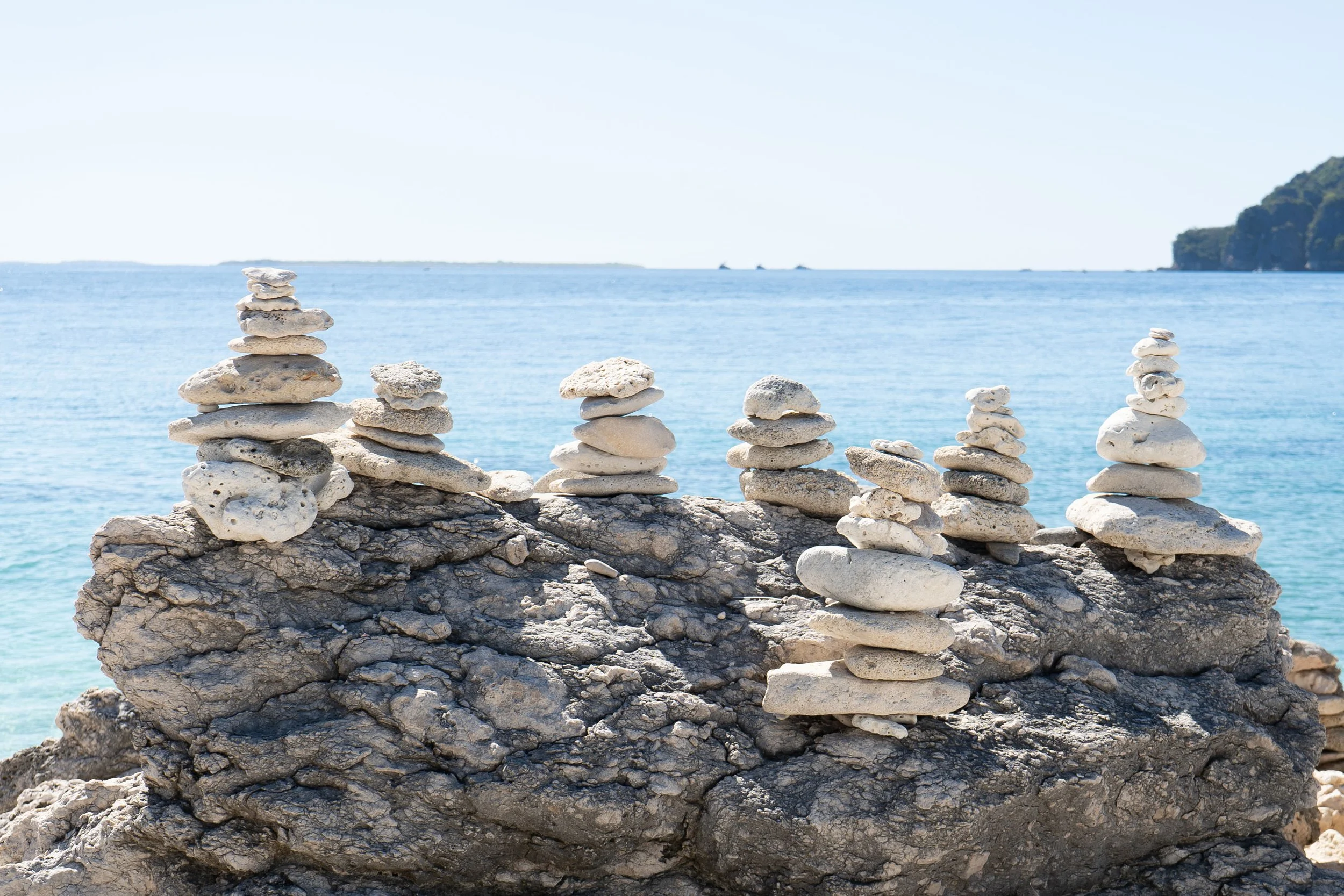
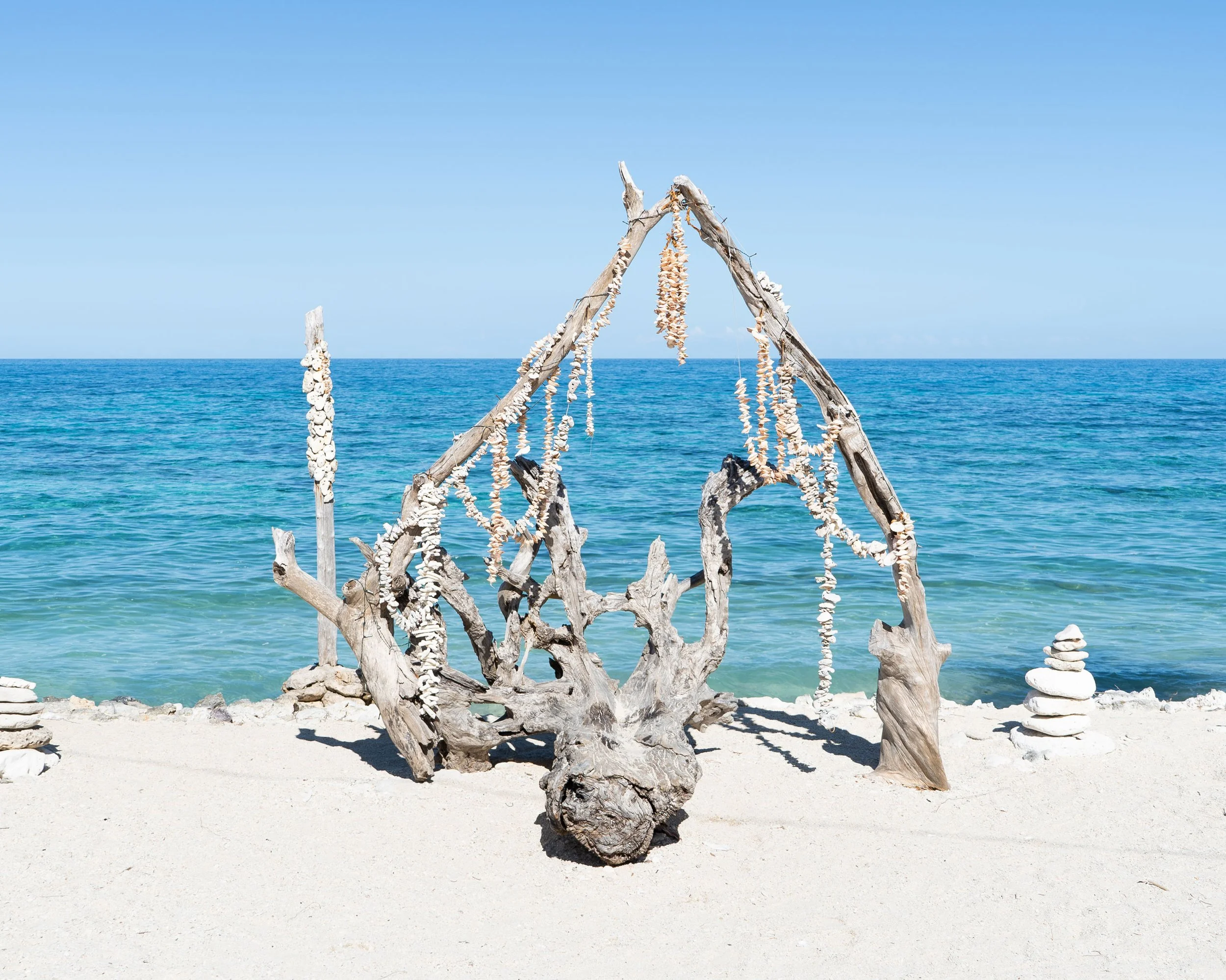
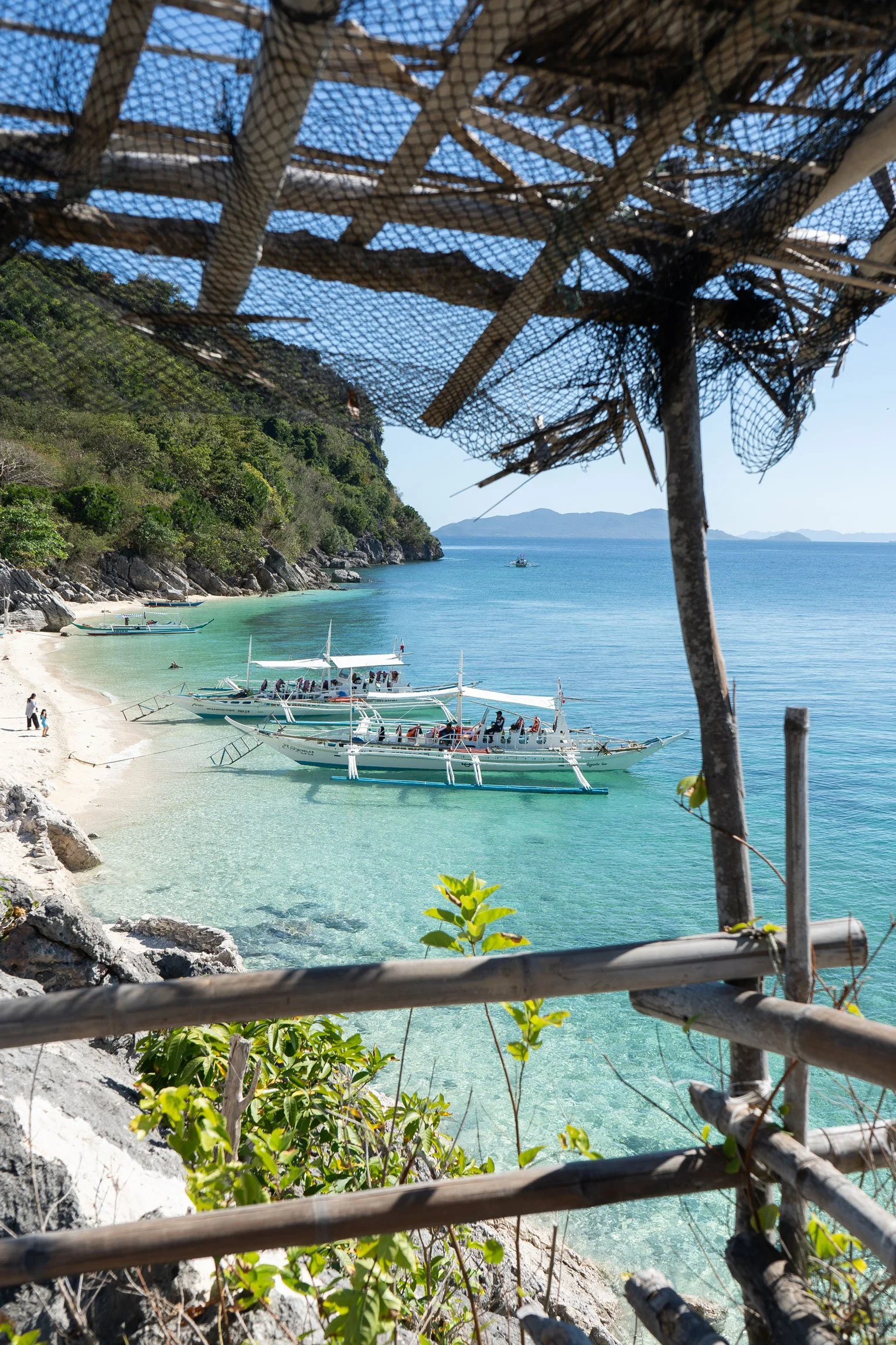
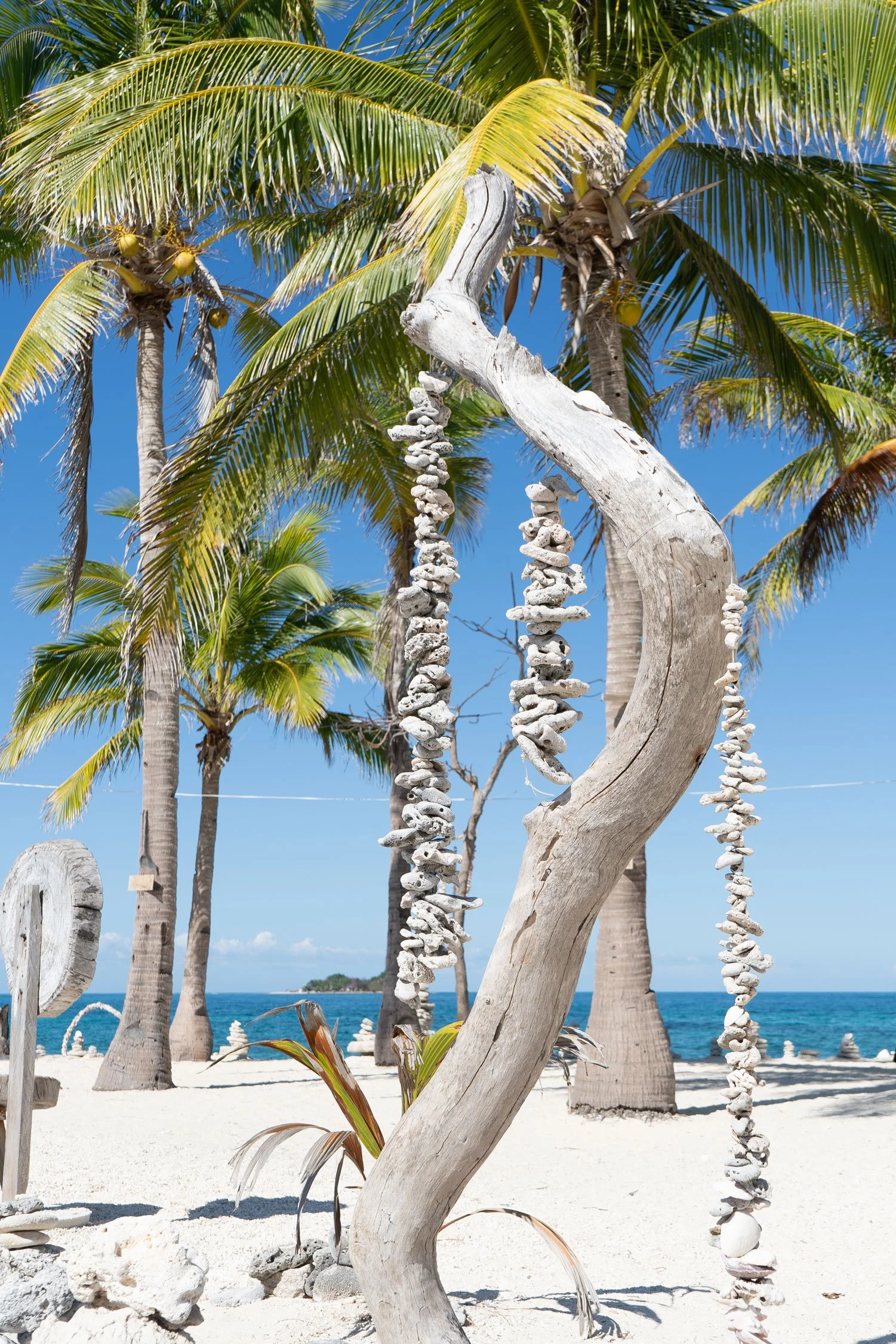
Now I understand why this was the last stop on our Gigantes tour itinerary. Cabugao Gamay (which means little pomelo!) boasts the most breathtaking landscape. A short 10-minute uphill climb to the top rewards you with a sweeping view of the island, limestone rocks, swaying palm trees and bangkas anchored on the turquoise waters. There are a few areas along the stone staircase to sit in the shade and take photos of the views as you make your way up. The late afternoon sun was sweltering which, on the bright side, made for very few people taking photos there at the same time. The wooden fencing structures are great elements to frame your photos with, and the vantage point you get from up there really calls for wide-angle landscapes. Once you’re back on ground level and walk around the rest of the island, you’ll notice how much of an artsy vibe it has. Strings of coral and shells hang from the palm trees, below standalone branches and even around a wishing well. Piles of stones are carefully stacked and act as organic sculptures. Also a few intricately woven nipa huts (or bahay kubo) are scattered around the island. Here you find a surreal type of beauty that, despite the island’s compact size, delivers immediate visual impact.
What to Eat in Isla Gigantes: A Seafood Lover’s Dream
The signature food in Isla Gigantes is scallops and is served as part of a local seafood lunch included in the tour package. Unfortunately my seasickness prevented me from being able to join in on the lunch. But here’s what I can say about it from observing. A variety of seafood freshly caught from the waters you were just sailing on is prepared by local chefs. The spread is placed communally on a long table, along with rice and seasonal fruit. And it’s a time to rest and refuel in between island hopping.
Where to Stay in Isla Gigantes
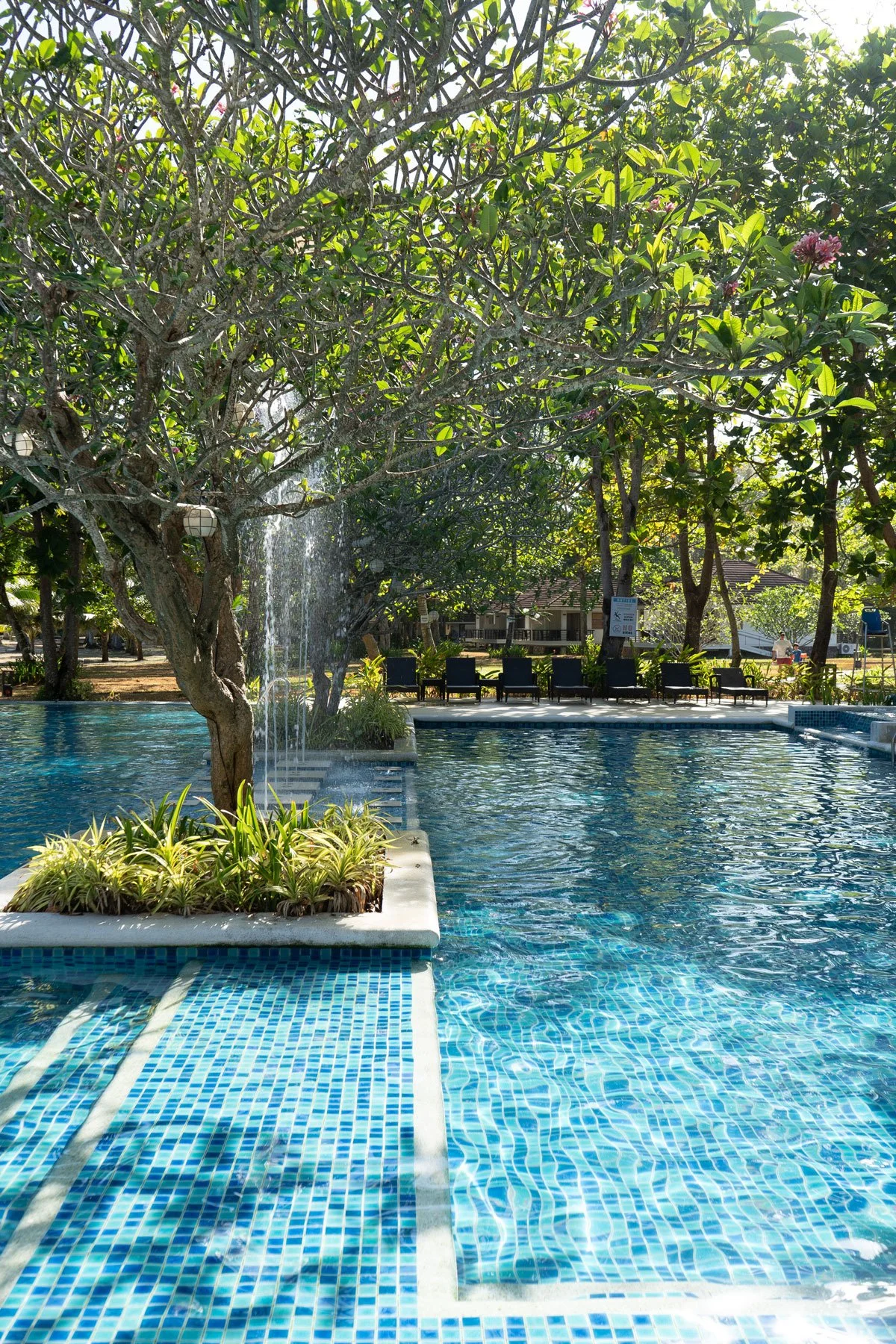
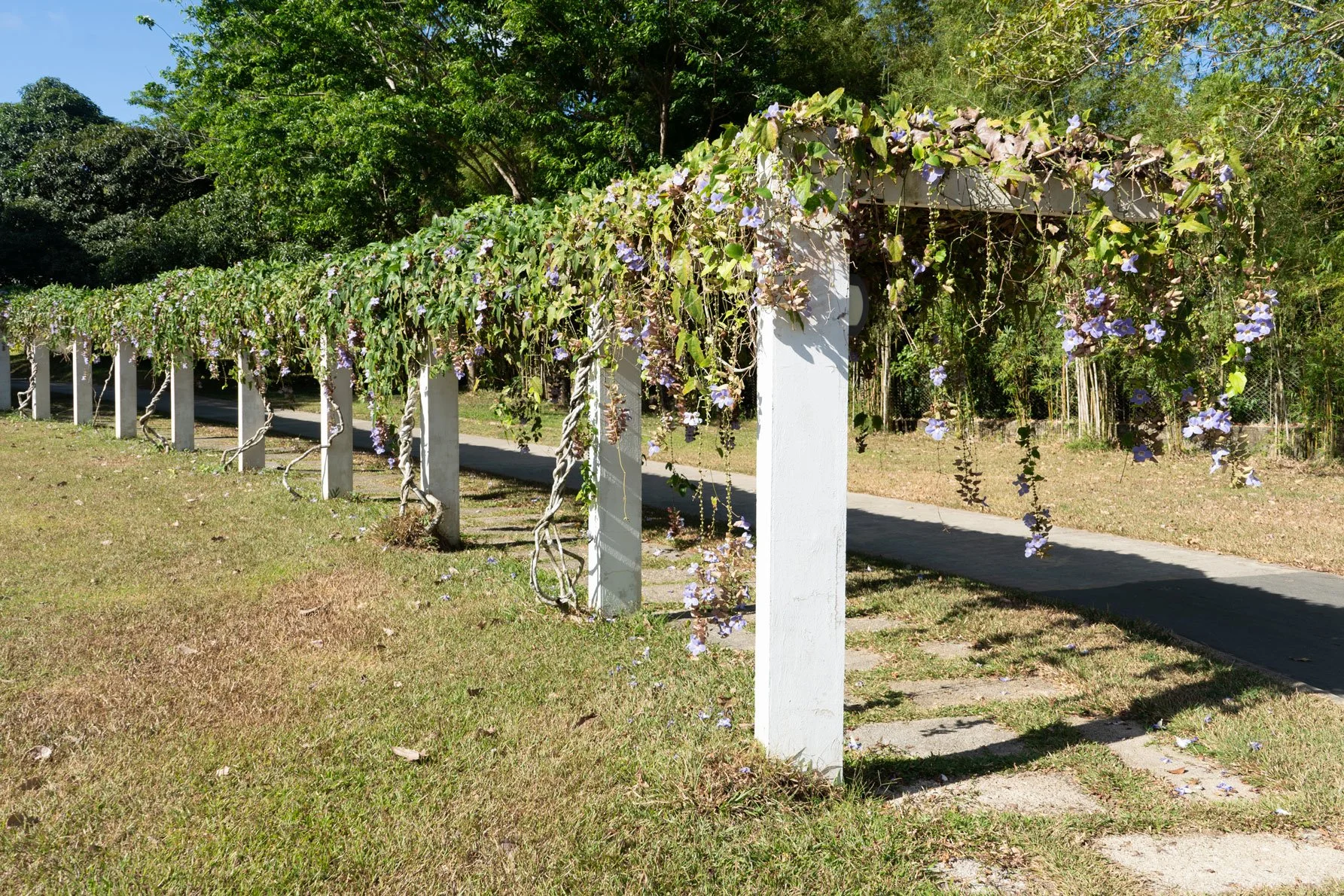
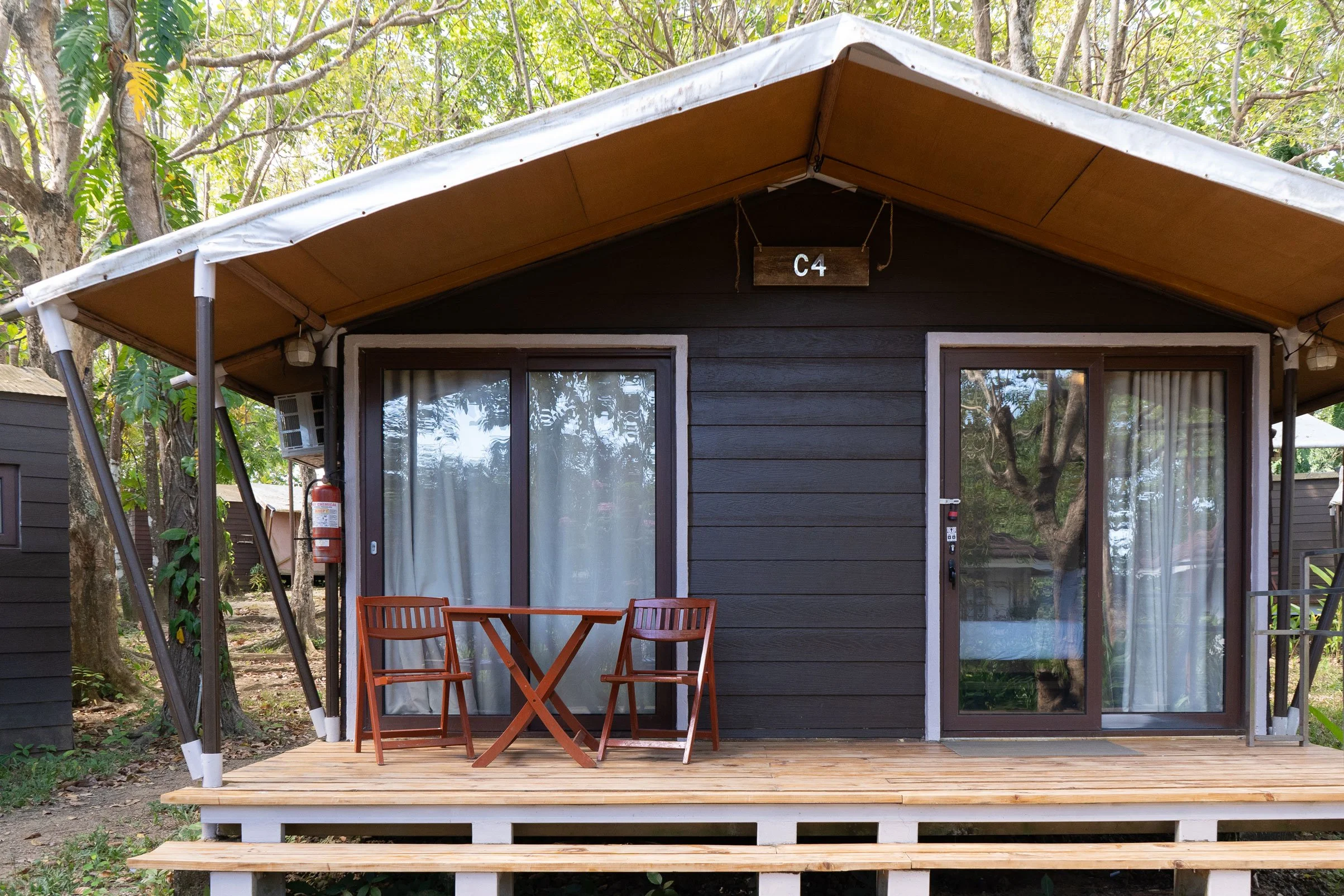
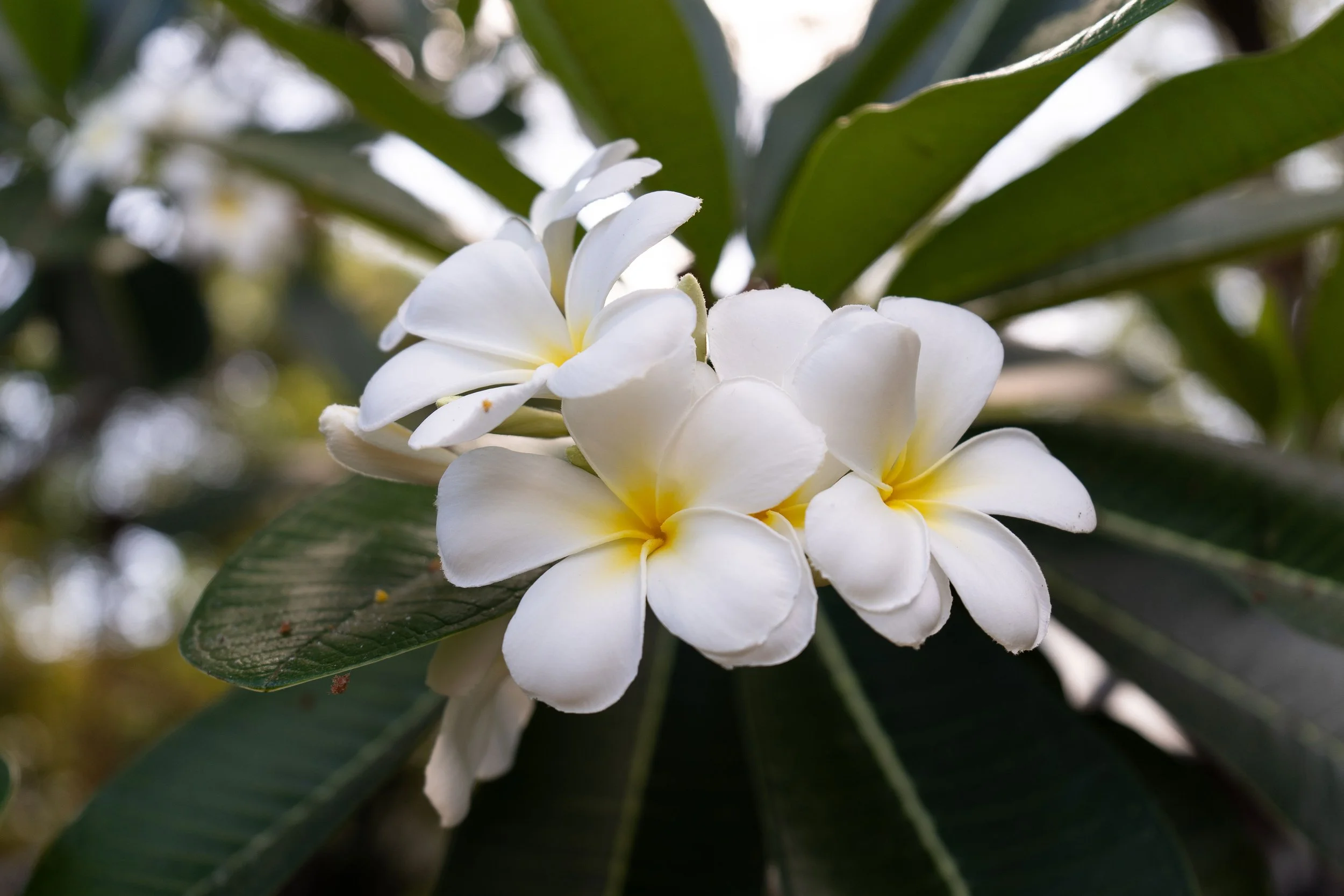
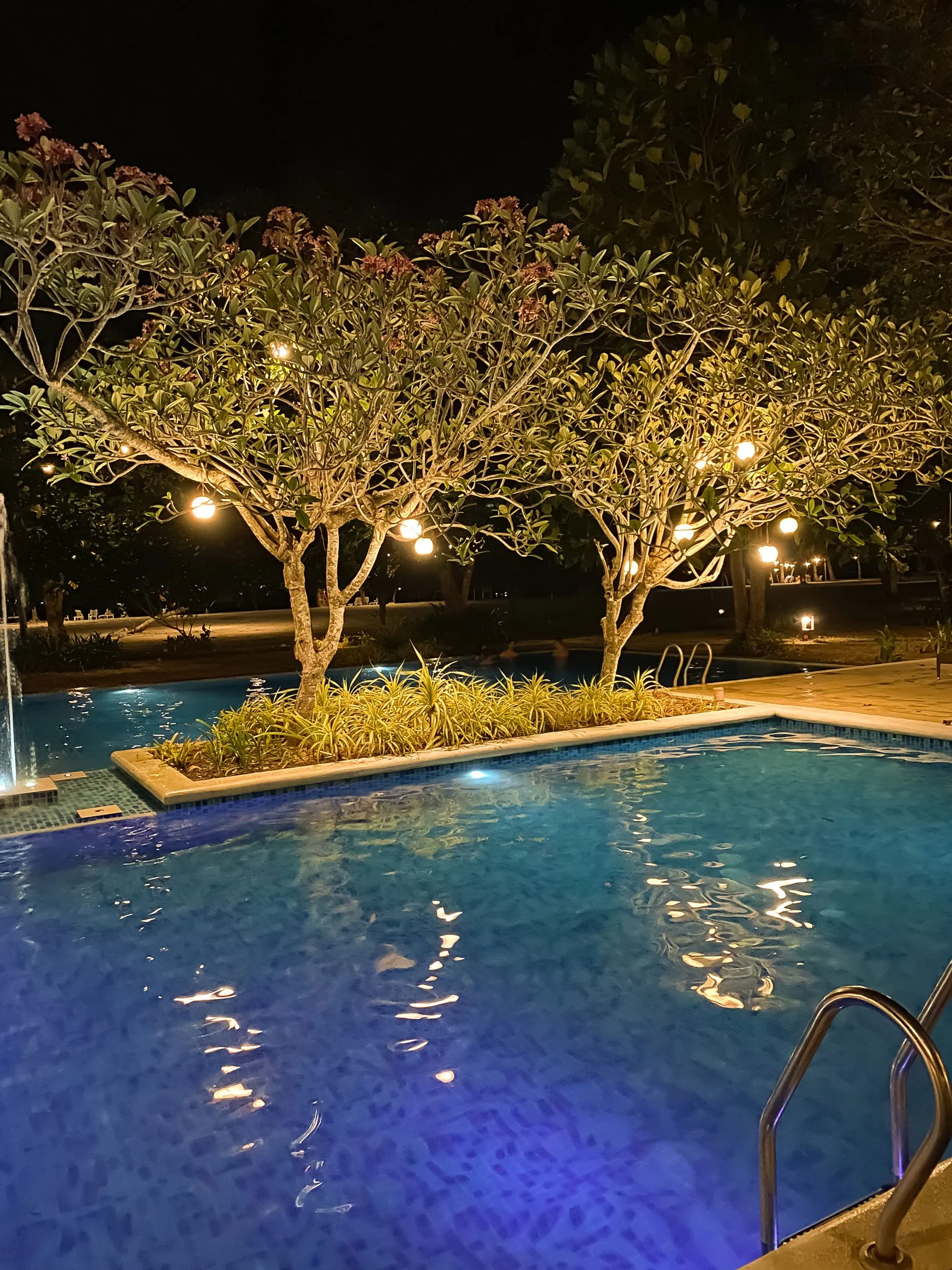
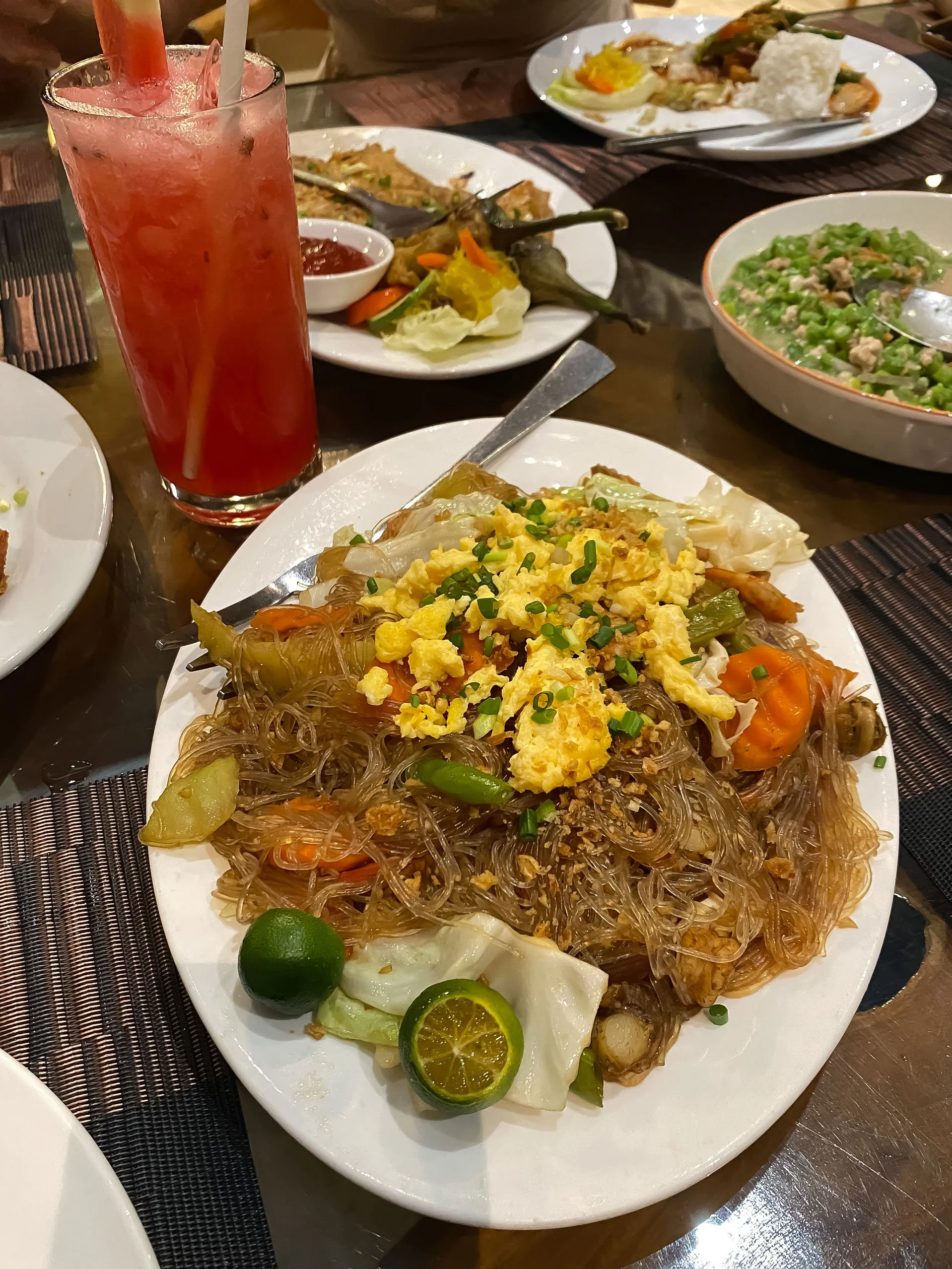
The accommodation that we booked for our Isla Gigantes trip was Solina Beach and Nature Resort in Carles, about 25 minutes away from Bancal Port. The property is close to the beach, and has a relaxing atmosphere with lush plants and blooming flowers everywhere. They offer villas, rooms and glamping tents immersed in nature, as well as an open-air restaurant serving delicious Filipino dishes and a great breakfast buffet. There is a lot to do at the resort too, from swimming at the pool to outdoor activities such as volleyball or kayaking. Also, they have van transfer available to drop you off and pick you up from Bancal Port for your island hopping tour.
Photography Guide to Isla Gigantes
Even though I stand by golden hour being the best time to shoot, my photography from Isla Gigantes helped me expand my perspective about shooting in different lighting conditions. I believe the distinction here is making the most of whatever lighting you have and shooting with intention. Composition techniques such as framing or rule of thirds can be executed in any kind of lighting. All of my photos were taken in the middle of the day, where there is higher contrast and harsher shadows. This can work to your advantage in landscape photos, where the colors of your scene can shine vibrantly. As for portraits, the trick is to keep your subject’s face toward the sun, essentially having the sun behind you while you’re shooting. Cinematic photo ideas can be wide landscapes of the seashore and limestone cliffs, human presence such as locals swimming or grilling seafood, and detailed shots of natural elements like seashells or palm leaves.
Camera Gear Used: Sony A7III + 28-70mm f/3.5-5.6 lens; iPhone 11
Travel Tips for a More Meaningful Experience
Even though it can feel like a lot to see multiple spots in one tour, I’ve got some slow travel tips that help me stay present while engaging in responsible travel here in Isla Gigantes:
Respect local communities - While these spots don’t experience as much tourist traffic as others in the Philippines, it’s still important to remember that these islands are a home and environment to respect like our own. Simply leaving sites as clean as we found them helps a lot.
Support local guides - These kind, funny, hospitable tour guides go to great lengths to make our island hopping experience as easeful and memorable as possible. They share interesting facts about the history and land. They exert a lot of physical effort in scorching heat navigating the bangkas on the water and helping passengers on and off the boat. They go around to each person/family on the tour to take photos at each stop, plus probably even more tasks behind the scenes we don’t know about. A tour lasts from about 8:30am to around 5pm. They get paid 450 pesos a day, which is $7.30USD. If you are able to tip generously, there is usually a tip box on board where the funds are split among the crew, or you can also tip them individually.
Embrace a mindset of presence over productivity - Being open to the experience in front of us, and taking more time to absorb the natural beauty surrounding us, will not only help us live the present moment more easily. It will also make for more cinematic photos crafted with intention.
Pack the essentials - Camera gear, environmentally-friendly sunscreen, cash, snacks!
Sample 2-Day Isla Gigantes Itinerary
Here is our Isla Gigantes itinerary spanning two days:
Day 1
Arrival at Bancal Port in Carles
Island Hopping Day Tour - Sicogon, Tangke Lagoon, Antonia Beach, Cabugao Gamay
Check-in at Solina Beach and Nature Resort in Carles
Sunset + Local Dinner at Resort (Angga Restaurant)
Day 2
Breakfast at Resort (Angga Restaurant)
Check-Out
Isla Gigantes Travel Costs & Budget Guide
Here are the approximate costs to budget for in Isla Gigantes:
Island Hopping Day Tour - 1649PHP (26.87USD) including Isla Gigantes & Sicogon; 1249 PHP (20.35USD) for only Isla Gigantes
1 Night in a Glamping Tent at Solina - 4500PHP (73.31USD) (we booked at a discounted rate during a promotion period)
Food at Angga Restaurant - Dishes range from 300-700 PHP (4.89-11.40USD)
For questions and booking assistance, contact Fe Sanchez via Facebook or at 09472951142
Final Thoughts: Why Isla Gigantes Is Worth Experiencing Slowly
Isla Gigantes is for the nature-focused explorer who appreciates the simplicity and raw beauty of island destinations not polished for tourism. I think you’ll really appreciate the juxtaposition of dramatic scenery and quiet, authentic moments of local life. Another emotionally immersive island with cinematic landscapes in Iloilo that’s worth visiting is Guimaras, you can find my island hopping guide here. If this kind of content resonates with you, follow along as I experience the Philippines more slowly, creatively and authentically.