
My sister and I saw Spain the way most first-timers do — in pieces, city by city, over the course of several summers. Barcelona was our introduction to Spanish architecture. Andalusia gave us breathtaking tile work, tapas and Moorish history. And Madrid closed the trip out with art museums and garden walks. I originally wrote about each stop separately, but decided to put the whole route in one place. If we could merge all our vacations into one single itinerary, this is the order we’d go in, how we’d move between cities, and roughly what it costs.
The Route at a Glance
Trip length: 10 days / 9 nights (built for a first Spain trip; easy to compress to 7 or stretch to 14)
Order: Barcelona → Seville → Málaga → Marbella (day trip) → Madrid
Why this order: Barcelona and Madrid both have major international airports, so this route works as an open-jaw flight (into Barcelona, home from Madrid) without backtracking
How to get around: Renfe's AVE high-speed rail for the long legs, one regional bus for the Málaga–Marbella day trip
| Leg | Mode | Duration | Approx. Cost (1-way, booked ahead) |
|---|---|---|---|
| Barcelona-Seville | AVE (direct) | ~5.5hrs | 25-60EU |
| Seville-Malaga | AVE | ~2hrs | 20-45EU |
| Malaga-Marbella | Bus (Avanza) | Bus (Avanza) | 9-13EU |
| Marbella-Malaga | Bus (Avanza) | Bus (Avanza) | 9-13EU |
| Malaga-Madrid | AVE | ~2.5hrs | 25-65EU |
A few logistics notes worth knowing before you book:
Book early. AVE pricing is dynamic — the same route can be €20 a month out and €80 the week before. If your dates are fixed, book as soon as they open.
There's no direct train to Marbella. The town isn't on the AVE network, so Málaga is the gateway. Everyone connects through its bus station.
Barcelona–Seville can also be done via a change in Madrid, which adds 20–50 minutes but sometimes opens up cheaper fares if the direct train is sold out or overpriced.
Barcelona (3 nights)
Barcelona has whimsical, playful, and organic architecture that never ceases to amaze. And that was one of the first things that captured my interest during my first visit to Spain. The city's big-city energy feels youthful and thrilling, and the architecture reflects that same spirit. Beyond the icons, we also settled into some of the city's simpler pleasures: tapas on the beach, produce and juice at the food markets, and long afternoons walking between neighborhoods.
La Sagrada Família
Antoni Gaudí's structures convey the styles of Modernisme, Art Nouveau, and Spanish Gothic. And one of his most famous works is this vivid, organic, sculpture-adorned basilica. Construction began in the 1880s and is still a work in progress today. Touring the interior was even more mesmerizing, knowing that this unfinished building already evokes so much awe. While listening to the guide speak, I watched the morning light shine through the stained glass windows. Warm and cool gradients colored the sandstone, creating an indoor rainbow if such a thing could exist.


A Photo Walk through Barcelona's Architecture
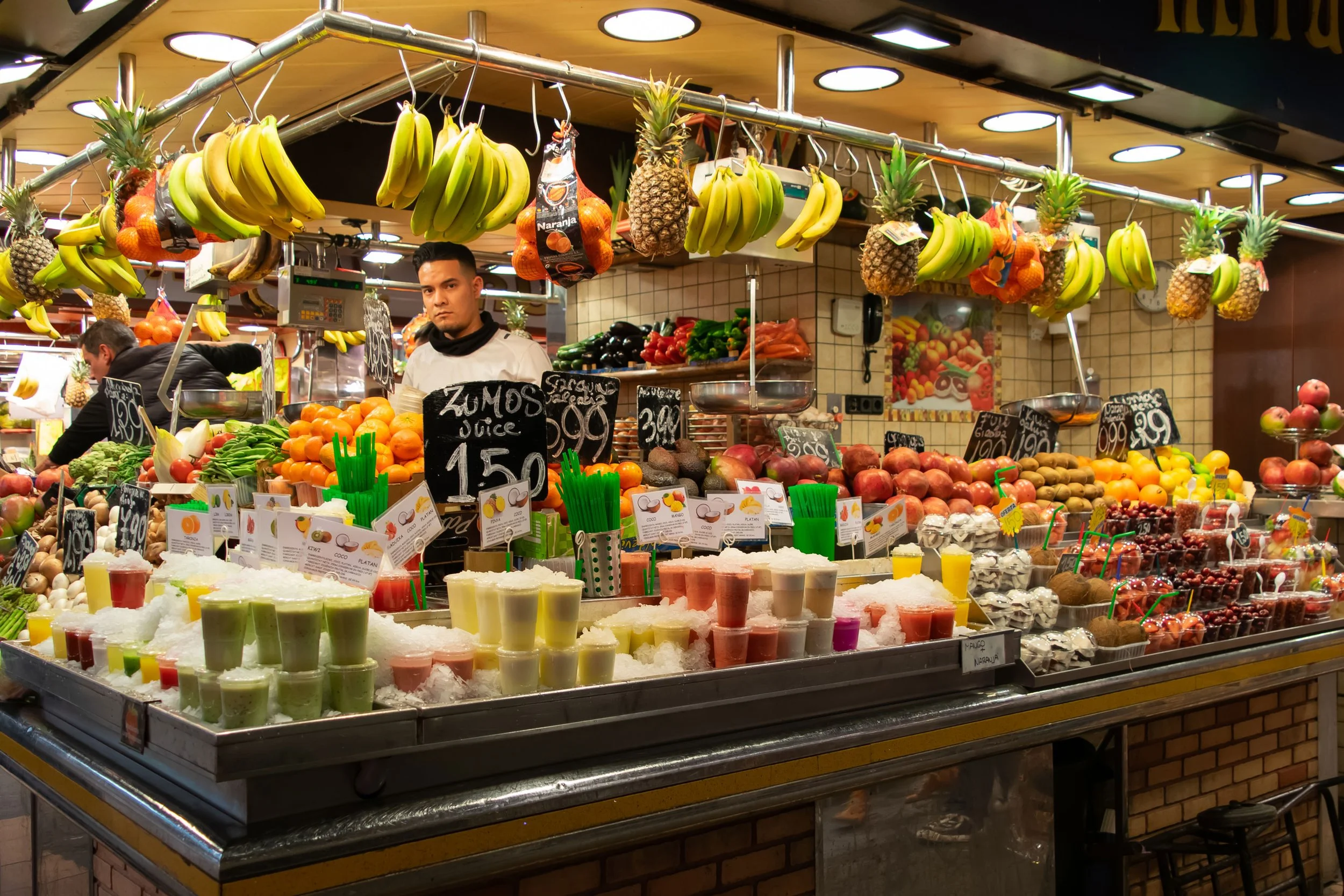
Beyond the Sagrada Família, we wandered past more of Gaudí's work — Casa Batlló and Casa Milà. Then we took in the way nature threads through the city's public spaces, like the palm trees standing in the Plaça Reial. We stopped at La Boqueria Market for fresh juice (zumo) and produce, and passed by the Barcelona Cathedral.




Parc Güell
On our last day in the city, we visited one more Gaudí landmark: Parc Güell, begun in 1900 and filled with buildings, gardens, and the same imaginative, free-flowing style found throughout his work. People watching and admiring the mosaic details of this space helped us feel immersed in the candid moments of Barcelona’s everyday life.


Getting from Barcelona to Seville
The direct AVE covers the roughly 830 km in about 5.5 hours, cutting west through Aragón, past Zaragoza, across the plains of Castilla-La Mancha, and through the Sierra Morena into Andalusia. If the direct train doesn't line up with your schedule, a change at Madrid Atocha adds under an hour and often has more departure options.
Seville (2 nights)
Andalusia is the land of flamenco, bullfighting, Moorish and Flemish artistic influence, and dishes like gazpacho and jamón ibérico. And Seville was our first stop into that world.
Plaza de España
The Plaza de España is a magnificent architectural sight in the Parque de María Luisa, designed by Aníbal González for the 1929 Ibero-American Expo. This event was meant to strengthen ties between Spain and other nations with political or colonial history. Renaissance Revival and Moorish Revival influences run through the whole structure. Arrive early, before the crowds, to see it nearly empty.


Getting from Seville to Málaga
The AVE covers this leg in as little as 2 hours, one of the fastest and most scenic short hops on the trip. A regional Avant train runs a bit slower, around 3 hours, if you want a cheaper fare and don't mind the extra time.
Málaga (2 nights)
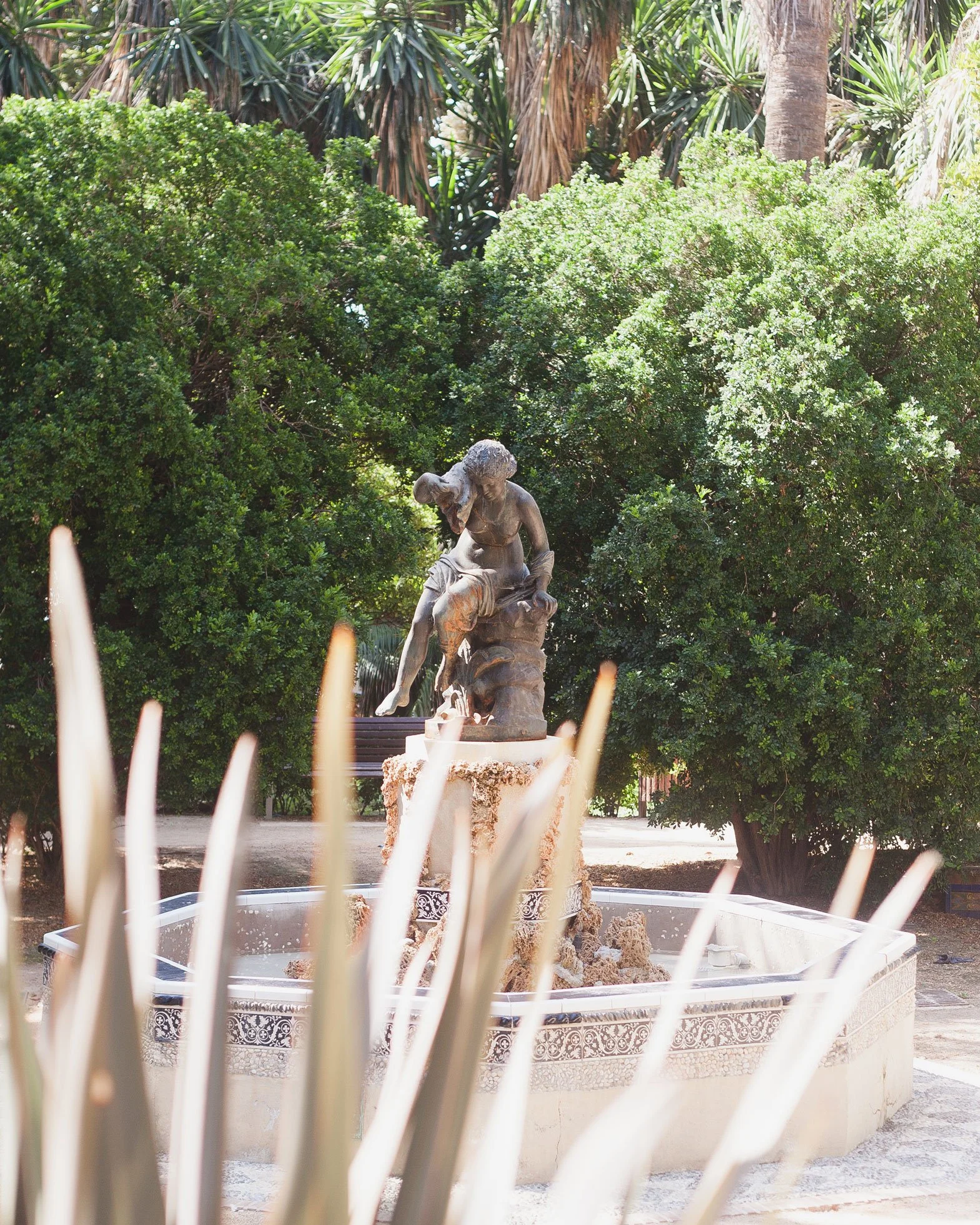
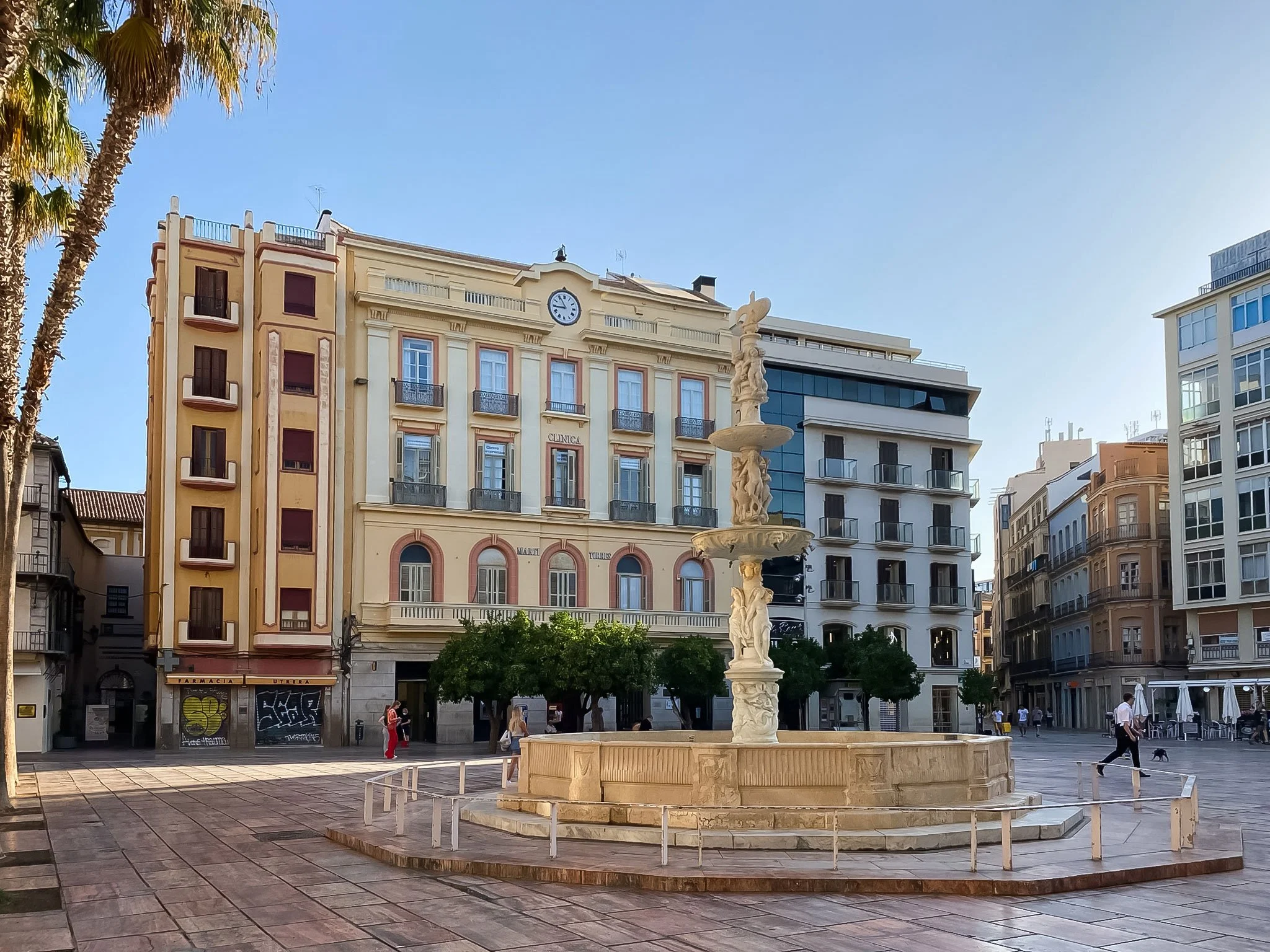
This Andalusian port city on the Costa del Sol was lively during the peak of summer. Beige stone architecture towered over spacious plazas and busy side-street restaurants. And the hot July breeze carried the scent of the Mediterranean into the city. It's also Pablo Picasso's hometown, which added an extra layer of curiosity to our visit.




Food Spots in Málaga
Los Marangós Comida Española — traditional Spanish dishes; the seafood paella and pimientos de padrón stood out.
Brunchit Coffee & Kitchen — a modern, sustainability-focused spot for pancakes, smoothies, and lunchtime salads.
Andino Gastrobar — casual Latin-American food; the plato centroamericano packed in a ton of flavor.
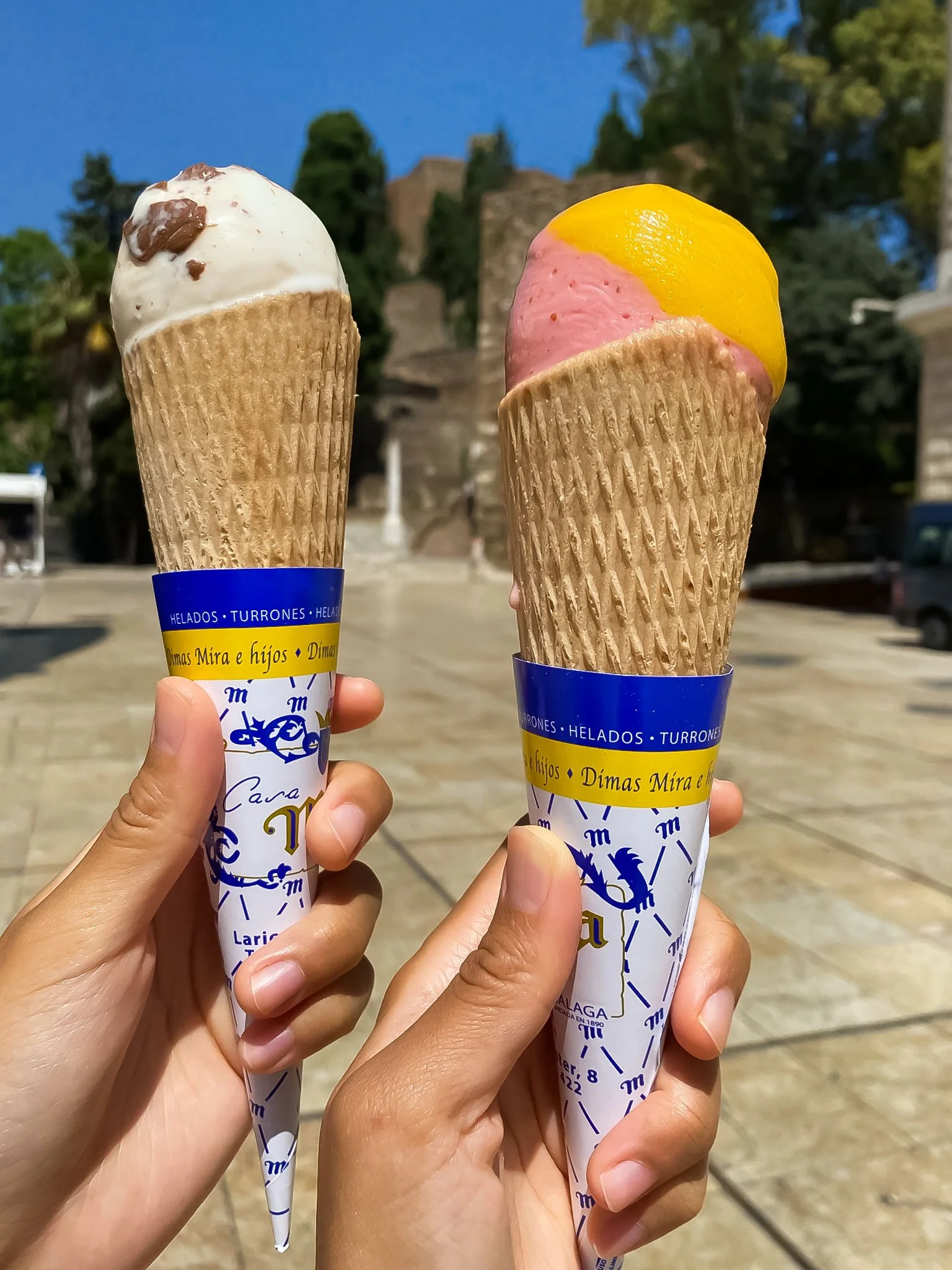
Casa Mira — Málaga's oldest heladería, serving ice cream and traditional sweets like turrón.


Day Trip: Marbella
We took the bus down to Marbella for the day and spent a slow-paced afternoon by the beach. We enjoyed tapas at a seafront restaurant, plenty of people-watching, and pastel-colored buildings with patterned tiles and lush plants around every corner.


Getting there: Buses run roughly hourly from Málaga's main bus station, taking 45 minutes to just over an hour depending on the route. There's no train service to Marbella directly. The bus is genuinely the easiest way in.


Getting from Málaga to Madrid
The AVE makes this run in as little as 2.5 hours. This is part of why Málaga has become such a popular jumping-off point for people splitting time between the coast and the capital.
Madrid (3 nights)
One weekend — or in our case, a few final days — in Madrid gives a glimpse into Spain's city life at its liveliest. Especially in summer, when locals and tourists alike fill the neighborhoods and breezy garden spaces. We made Madrid our last stop before flying home.
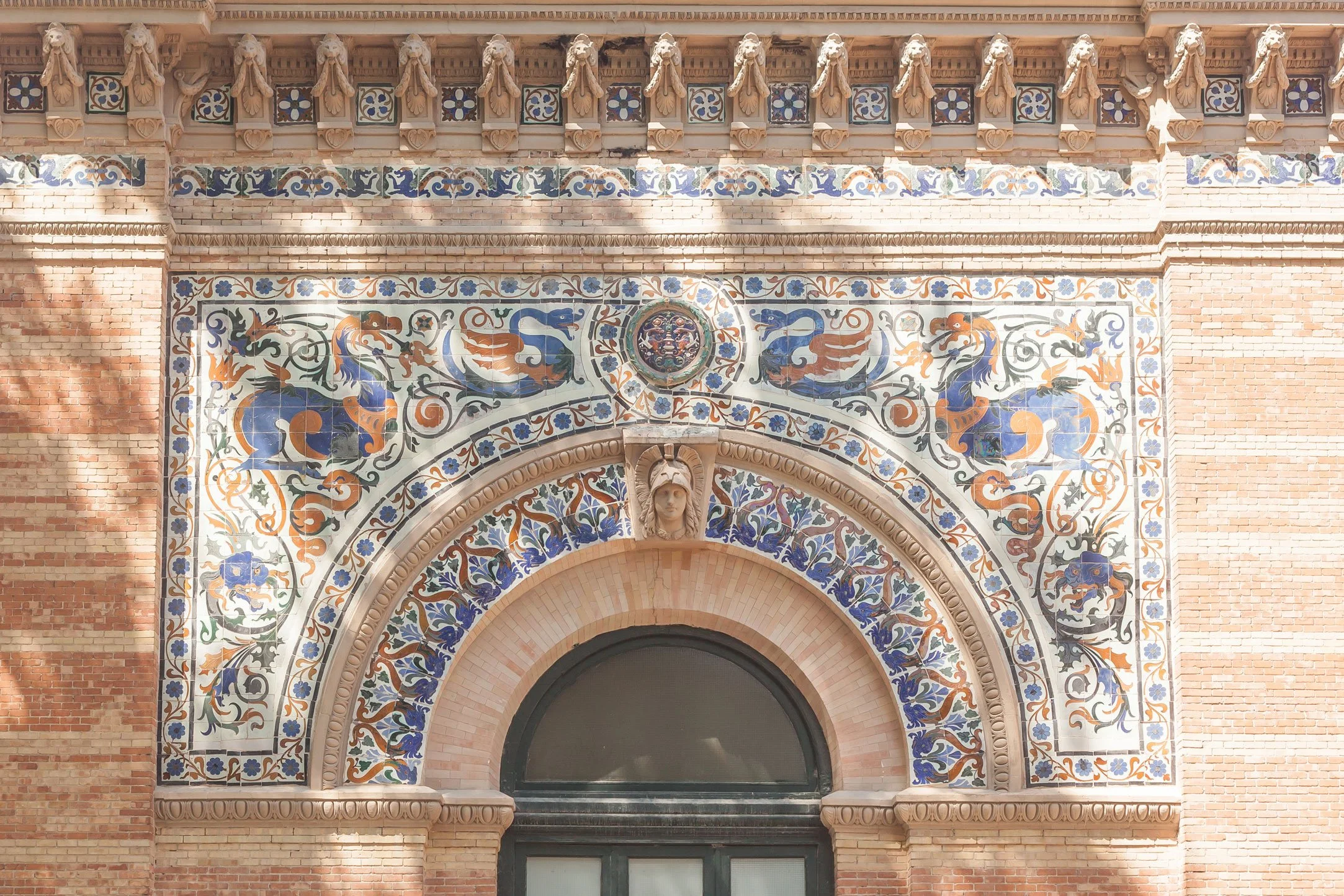
Palacio de Cristal
Tucked into El Retiro Park, this 19th-century glass conservatory first opened with a collection of exotic plants brought to Spain for the occasion. Today it hosts rotating art exhibitions, and the surrounding trees make it a lovely spot to wander with the sun overhead.


El Retiro Park — Parterre Garden
El Retiro is one of Madrid's largest parks and a UNESCO World Heritage Site. This peaceful green escape is right in the city center, with fountains, sculptures, and open paths for walking, relaxing, or working out.

Museo Nacional del Prado
Close to El Retiro is Spain's most famous art museum. What began as an 18th-century royal art collection is now home to European masterworks by Velázquez, Goya, and Bosch — including Las Meninas, Saturn Devouring His Son, and The Garden of Earthly Delights.


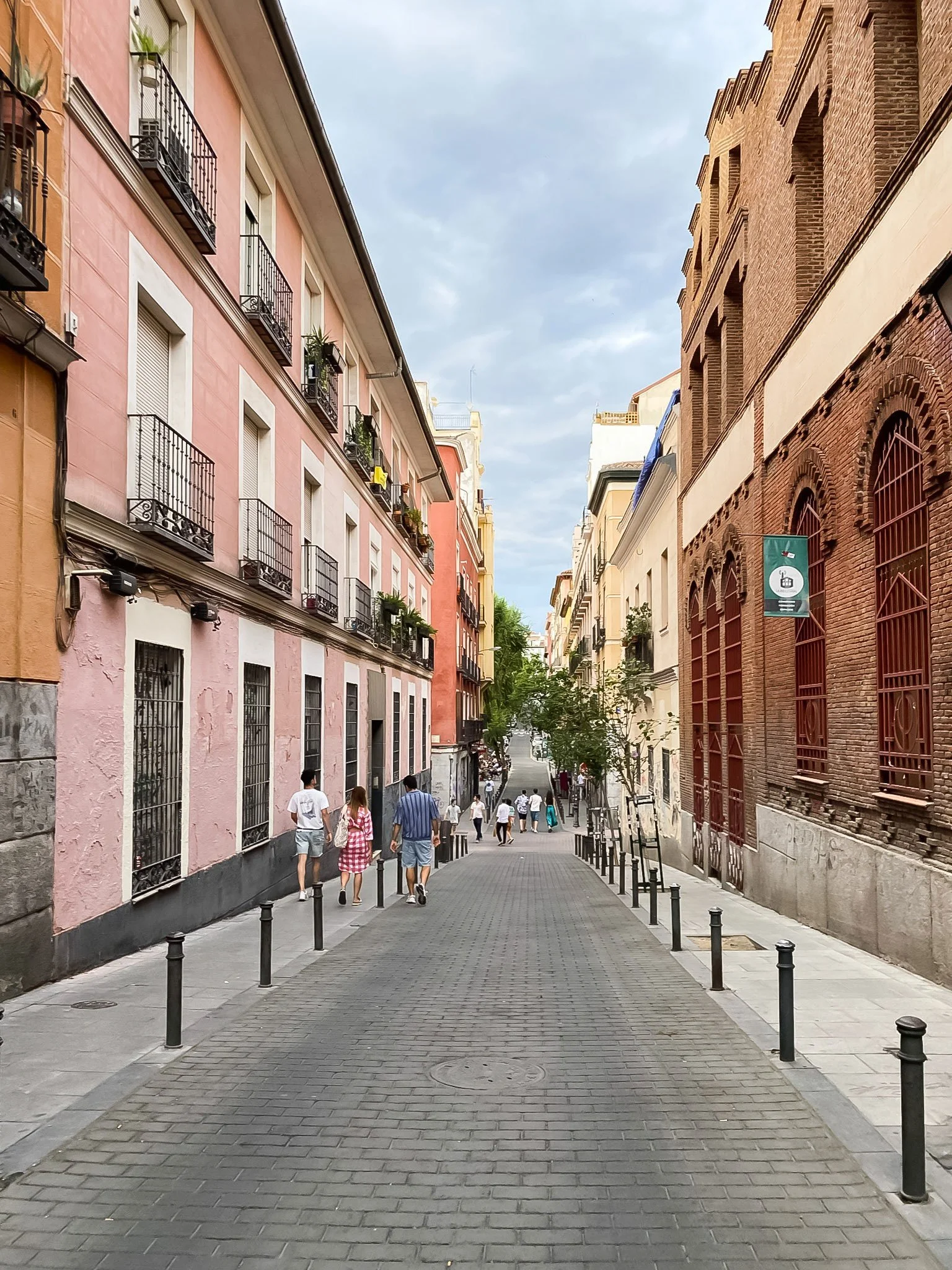
Wandering the Neighborhoods of Madrid




Madrid Food Spots
Chocolatería San Ginés (Pasadizo San Ginés, 5) — serving churros con chocolate since 1894, open every day of the year.
Honest Greens (Paseo de la Castellana 89) — ethically-sourced, veggie-forward dishes with plenty of plant-based options.
Mad Mad Vegan (Calle Pelayo 19 & Calle Lavapiés 16) — indulgent veganized burger and fry platters, huge portions.
Mistura Ice Cream (various locations) — handcrafted, artisan ice cream.
RawCoco Green Bar (Calle del Gral. Pardiñas, 21) — fresh, wholesome breakfast and brunch in a modern space.


Budget Overview (per person, mid-range travel)
These are rough starting points — actual costs shift with season, how far ahead you book, and travel style.
Trains + bus (all 5 legs above): ~€90–200
Accommodation (9 nights, mid-range): ~€600–900
Food: ~€35–55/day → ~€350–550 for the trip
Museums & attractions (Sagrada Família, Prado, Plaza de España area, Picasso Museum, etc.): ~€60–90 total
Rough total, excluding flights: ~€1,100–1,750 per person
Spain didn't unfold for us as one trip so much as three distinct impressions stitched together by a very fast train. Barcelona's restless creativity, Andalusia's slower Moorish-influenced pace, and Madrid's easy blend of art and green space. If you're planning your own route through the country, I hope this saves you some of the guesswork we did as we went along.